
whisky made in india
When it comes to whisky, the collective imagination immediately turns to Scotland or Ireland. Yet there is an equally fascinating and surprising world that deserves to be explored without prejudice: that of Indian whisky.
India is not only one of the world's largest consumers of “Aqua Vitae,” but it is also a land that now produces Single Malts of the highest quality, born in extreme climatic conditions, with strong identities and unique histories behind them. To truly understand them, however, we need to take a few steps back.
ancient ritual drinks
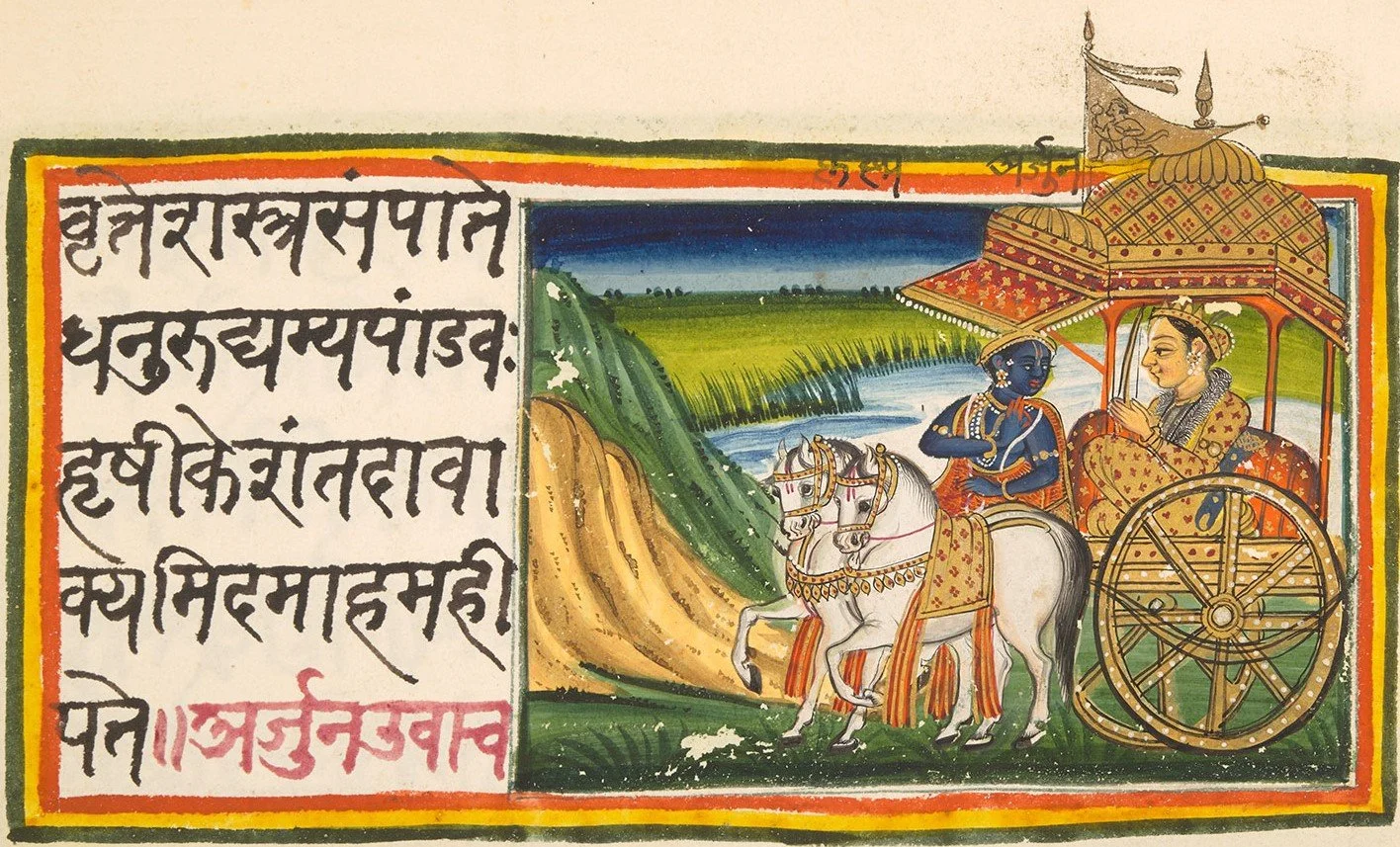
Long before the arrival of whisky, India already knew the symbolic and ritual value of alcoholic beverages. Two fundamental names appear in the most ancient Vedic texts: Soma and Sura.
Soma is a sacred drink, celebrated in the Rigveda, associated with the divine, immortality, and knowledge. It was not simply a drink, but a bridge between the human world and that of the gods, consumed during religious rituals.
Sura, on the other hand, was a more earthly drink. Often fermented and in some cases probably distilled, sometimes made from grains such as barley, it was known and consumed even outside of ritual contexts. A controversial drink, loved and criticized at the same time, but one that testifies to how India already had a complex and profound relationship with alcohol long before the modern era.
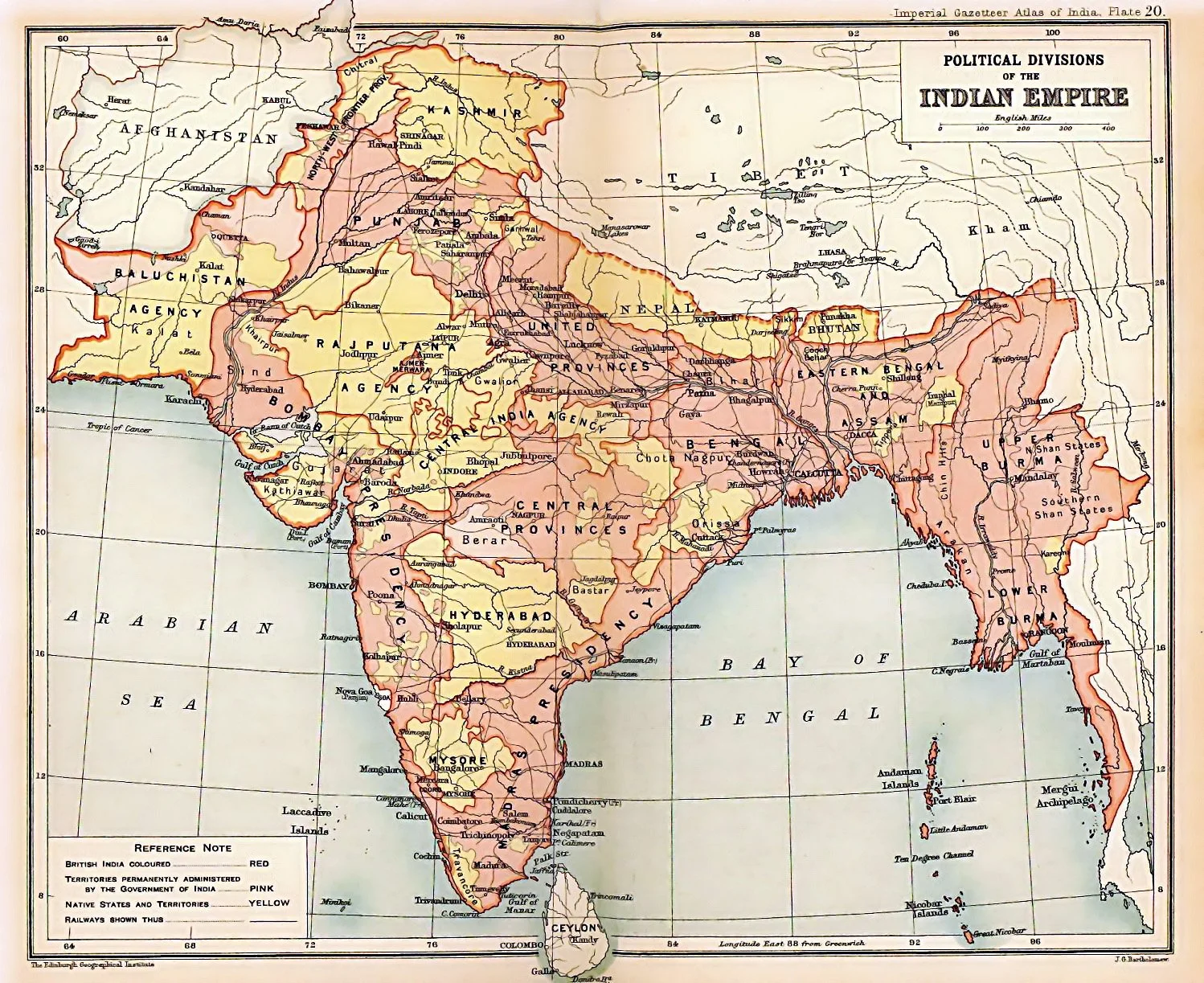
the arrival of whisky in india: the british legacy
Whisky, as we know it today, arrived in India with British rule. The officers of the Empire brought with them their customs, their tastes and, of course, bottles of Scotch.
For a long time, whiskey in India remained an imported product, reserved for the colonial elite. Over the years, however, the first local productions emerged, often geared towards blends adapted to the tastes of the domestic market.
It is only in recent decades that India has begun to seriously engage with the concept of single malt whisky, deciding not to imitate Scotland but to build its own identity.
indian single malt today
The Indian climate is anything but forgiving. Intense heat, marked temperature variations, and extremely rapid maturation make whisky production a real challenge. And it is precisely here that the unique character of Indian Single Malts is born: intense, expressive, often matured in surprisingly short times.
Here are the most representative distilleries.
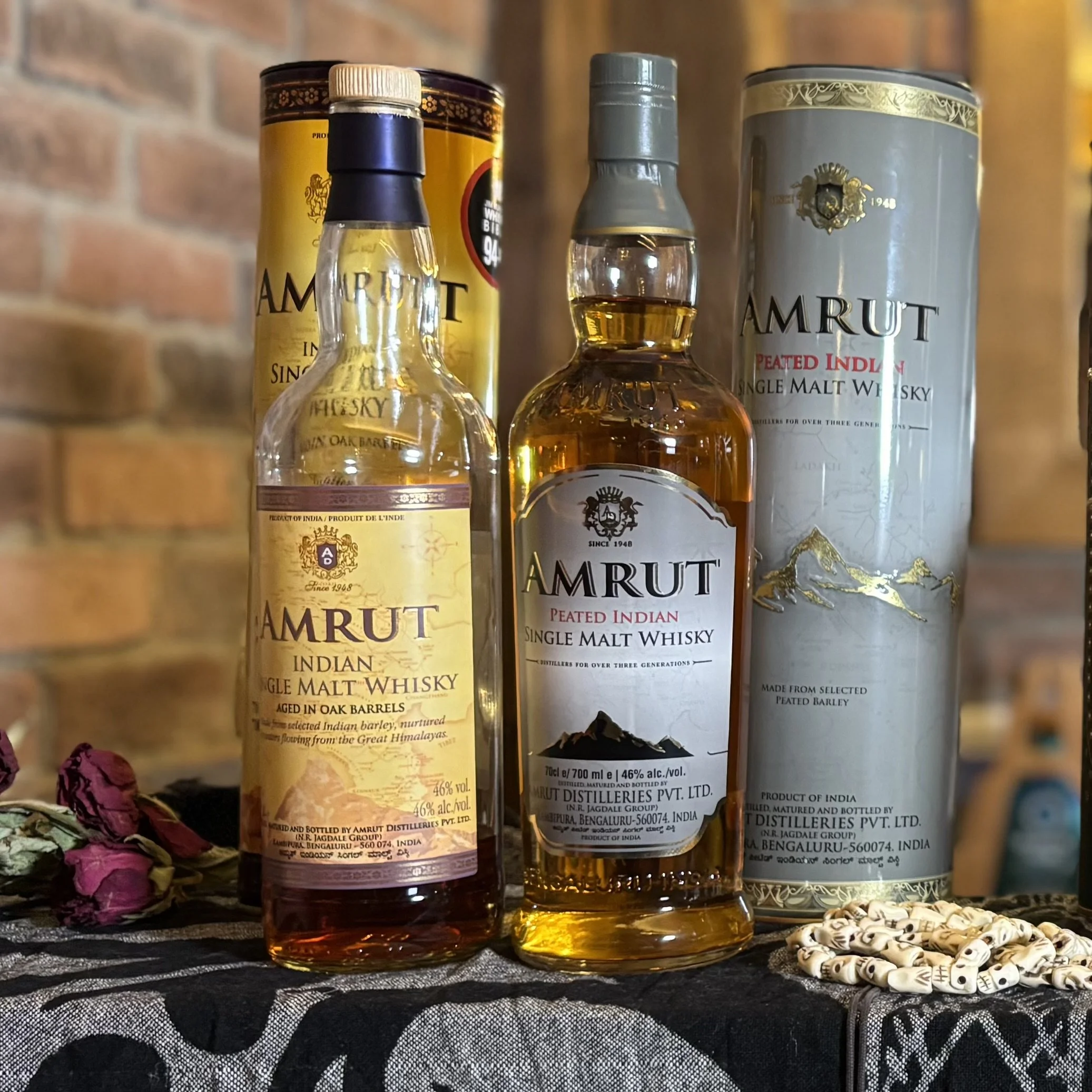
amrut
Amrut is, to all intents and purposes, the pioneer of Indian Single Malt. Founded in Bangalore, the distillery has forever changed the perception of Indian whisky around the world.
When it appeared on the international scene in 1948, many were taken aback. An Indian Single Malt capable of competing with historic Scottish names. Intense profiles and a personality impossible to ignore.
Amrut paved the way for all the others.
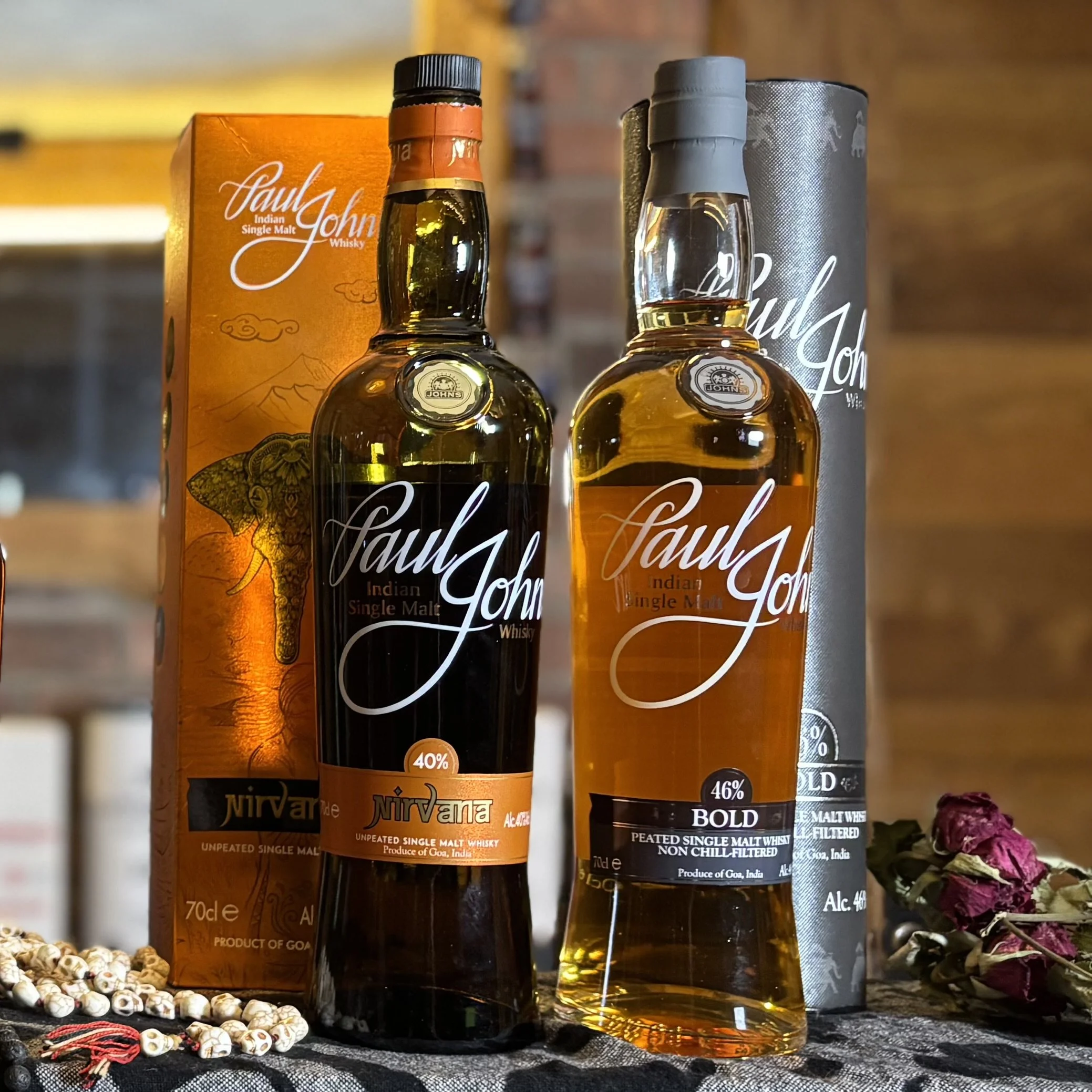
paul john
From the coast of Goa comes Paul John, a distillery that has managed to combine elegance, precision, and tropical character. Its whiskies are often smooth and balanced, with a refined and never excessive use of peat (in some expressions).
Paul John has shown that the warm climate is not a limitation, but a tool for creating something unique.
rampur
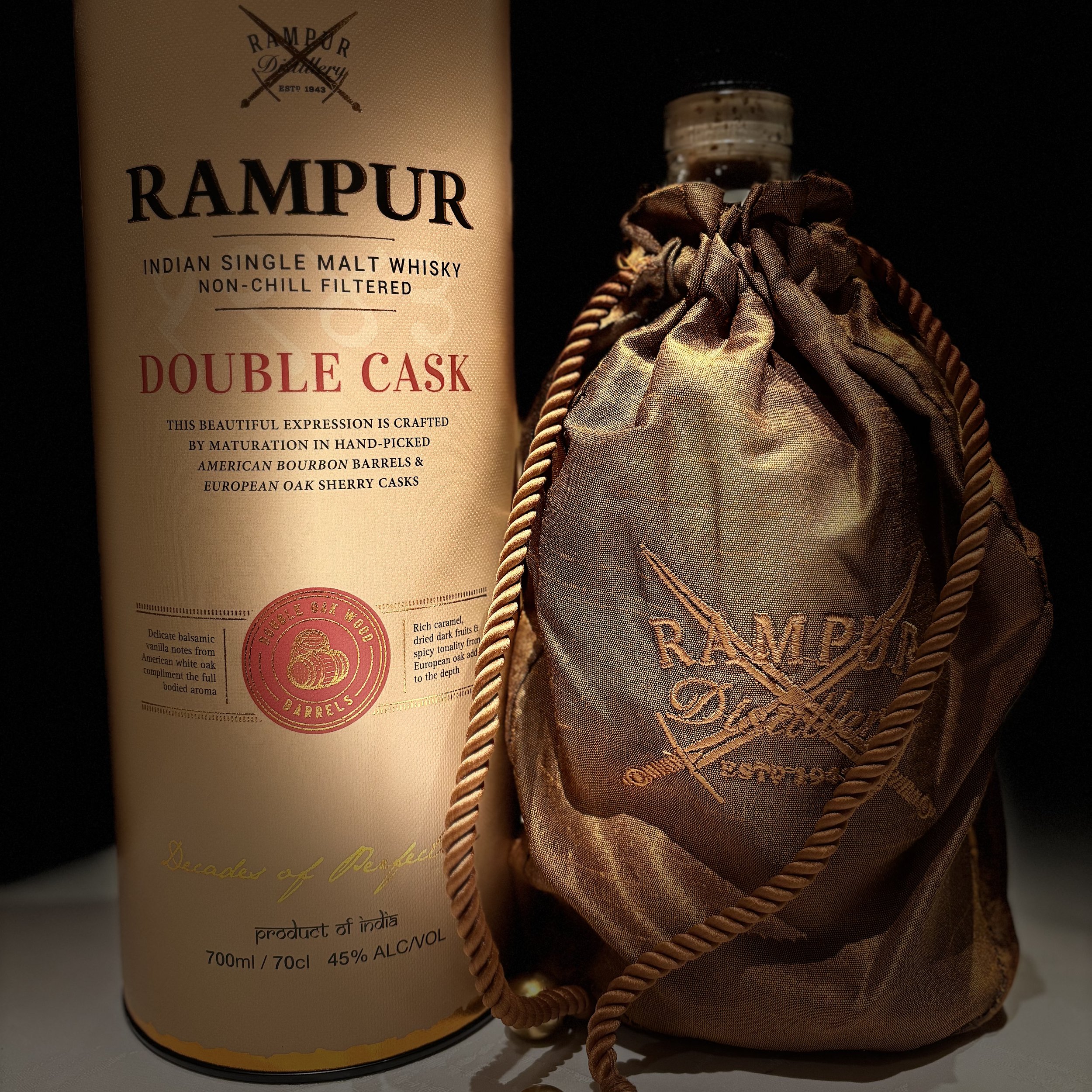
Located in Uttar Pradesh, Rampur represents a meeting point between tradition, history, and modernity. Here, whisky is produced in an area with a continental climate, with significant temperature variations that profoundly influence the maturation process.
Rampur is synonymous with elegance, delicate spices, and an almost aristocratic approach to Indian single malt.
gianchand
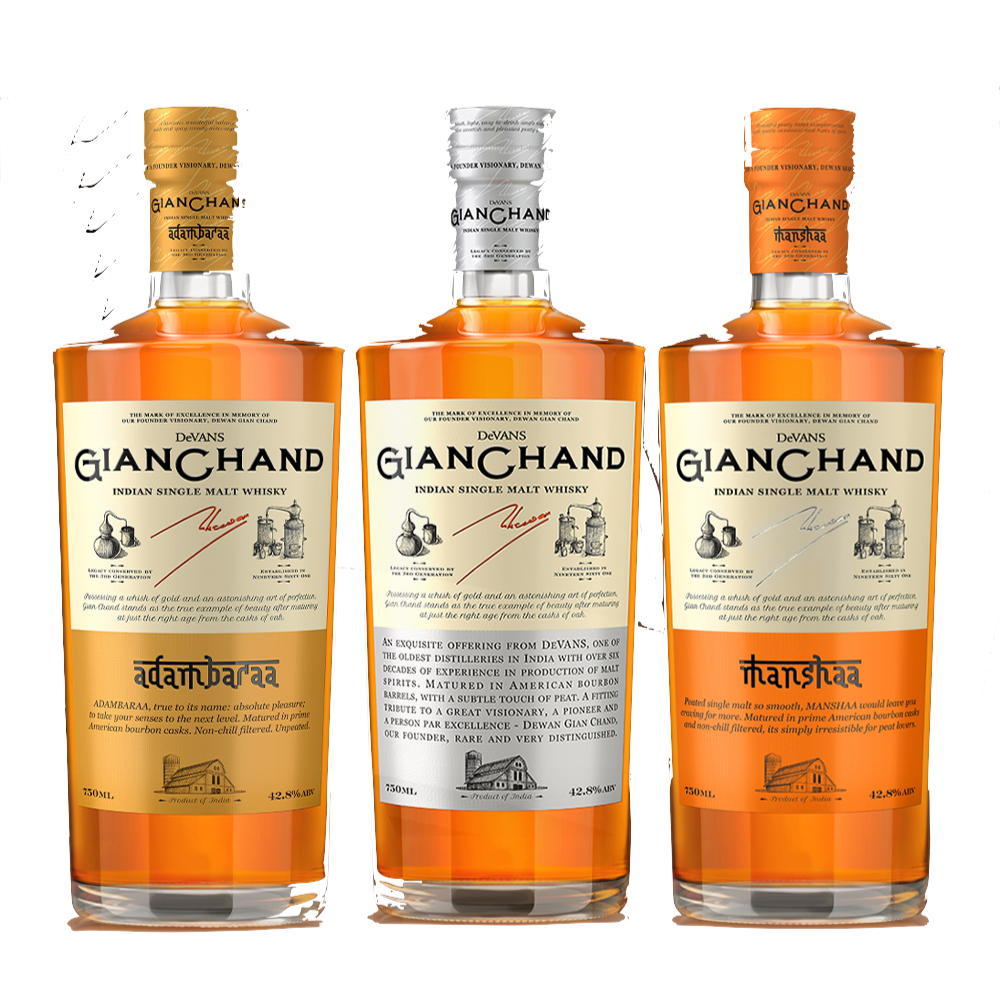
We move northwest to the Jammu and Kashmir region. GianChand is produced by DeVANS Modern Breweries, a company that has been in business since the 1960s.
The project stems from the vision and passion of Gian Chand Dewan, who spent decades before arriving at his first Single Malt, launching it in 2022. Here, the climate is cooler, maturation is slower and more controlled, and the profiles are often more measured and elegant.
GianChand Adambaraa has received important international awards, confirming the maturity achieved by Indian whisky.
godawan
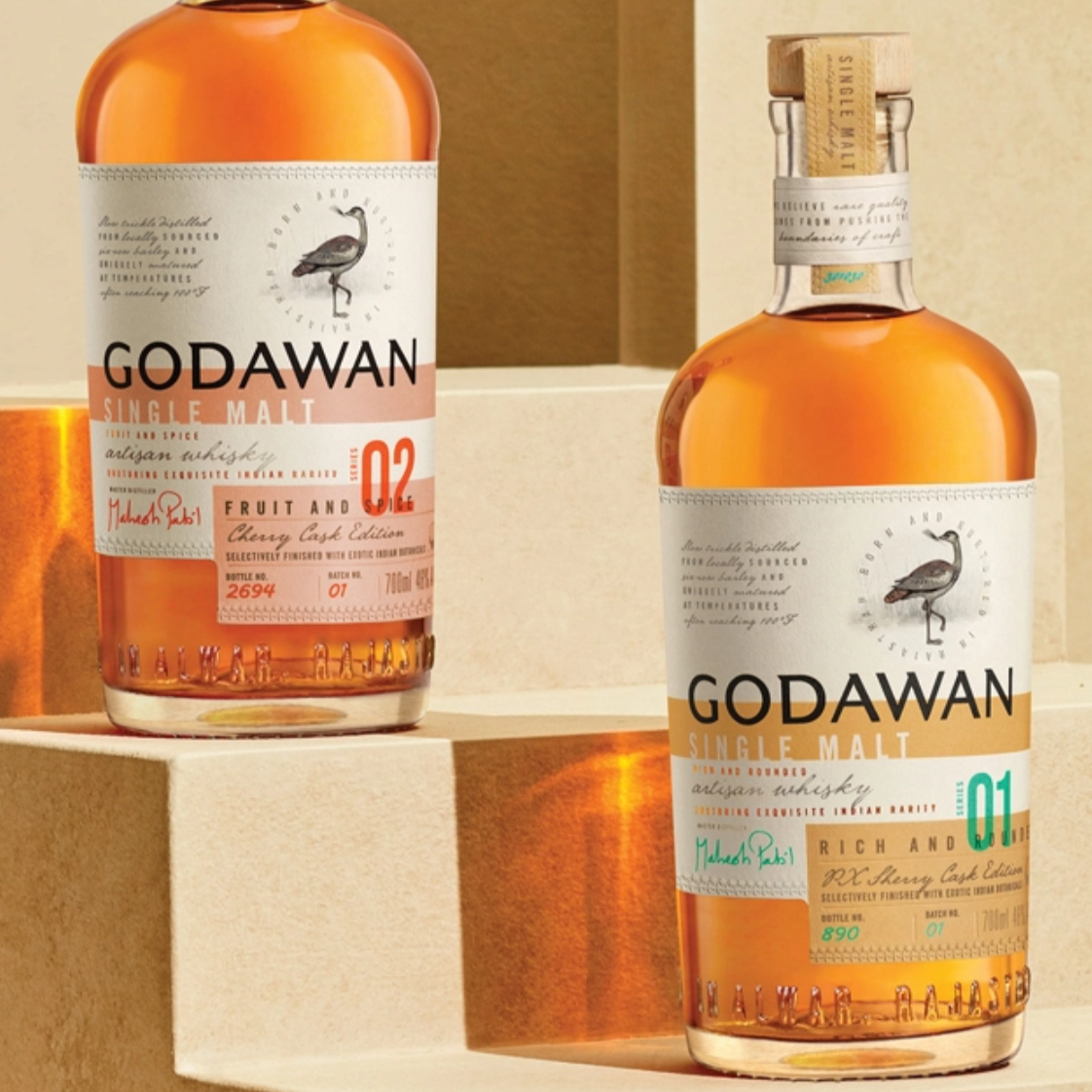
From the north, we move on to the desert of Rajasthan. Godawan is a project by Diageo India and takes its name from an endangered bird, the symbol of this region.
Known as the Spirit of the Desert, Godawan is born in extremely harsh climatic conditions. Part of the proceeds are allocated to the conservation of the species from which it takes its name, combining production and environmental responsibility.
A whisky that tells the story of the territory in a direct and uncompromising way.
kamet & indri
We conclude our journey in the state of Haryana, home to the Piccadilly Distillery, one of the most interesting and recognizable companies on the contemporary Indian scene.
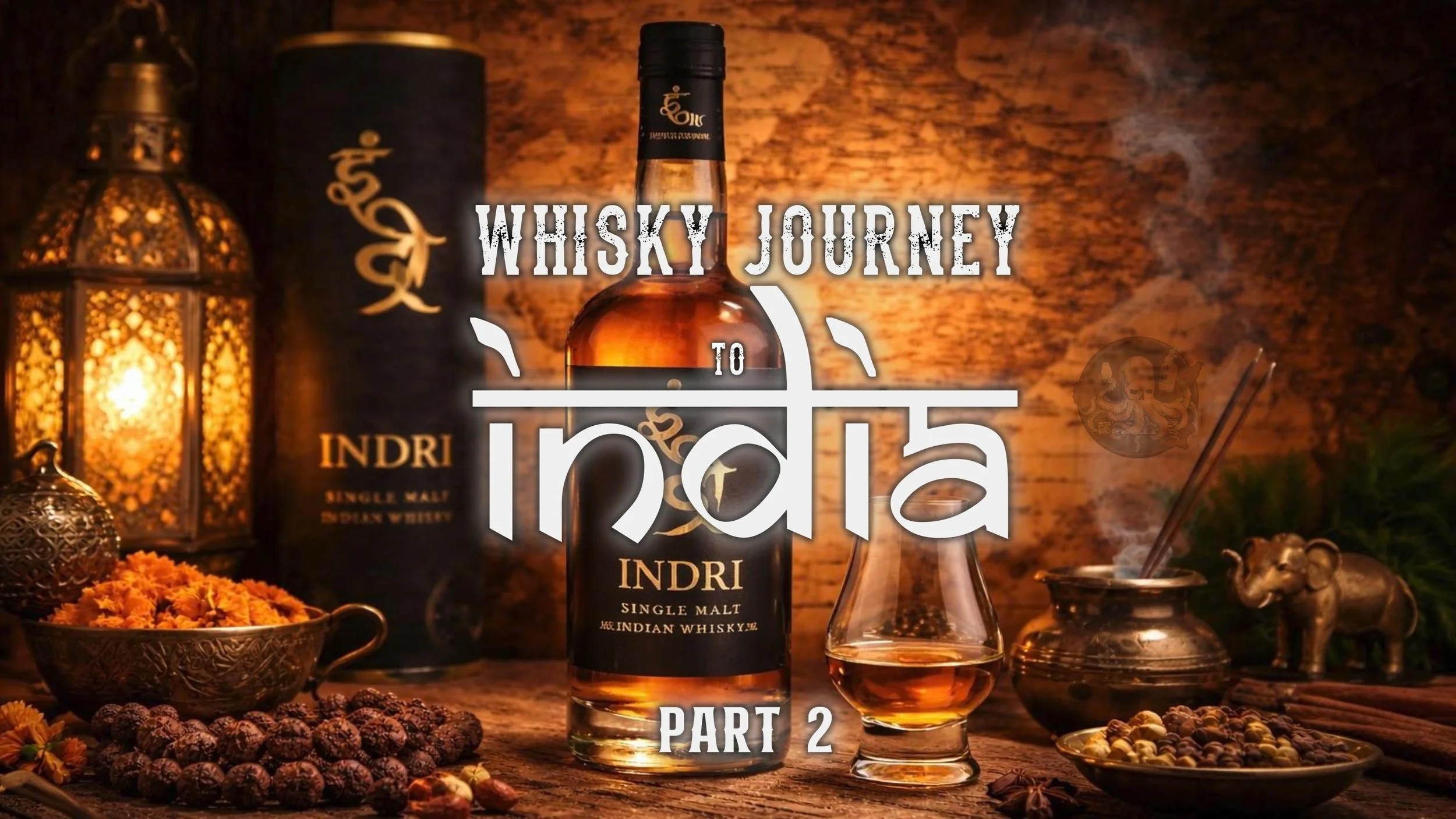
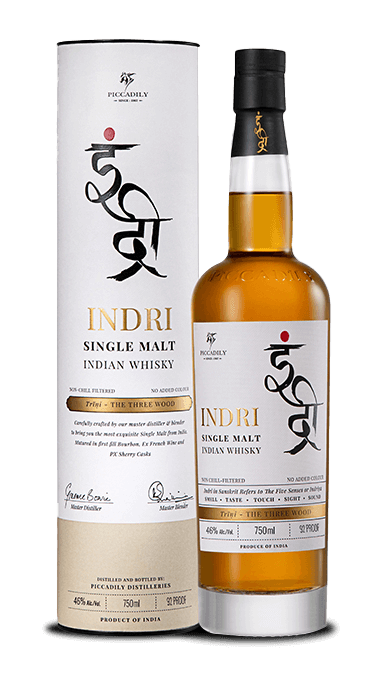
The heart of production is Indri, a single malt that immediately stands out for its identity and vision. Its basic expression, Trini, is the first Indian whisky to be matured in three different types of casks: ex-Bourbon, ex-wine, and ex-PX Sherry. The result is a rich, fruity, and surprising profile, far removed from any classic reference.
The name Indri refers to the five senses, and this is no coincidence: it is a whiskey that should be experienced rather than analyzed, capable of stimulating memory and emotion rather than technical patterns.
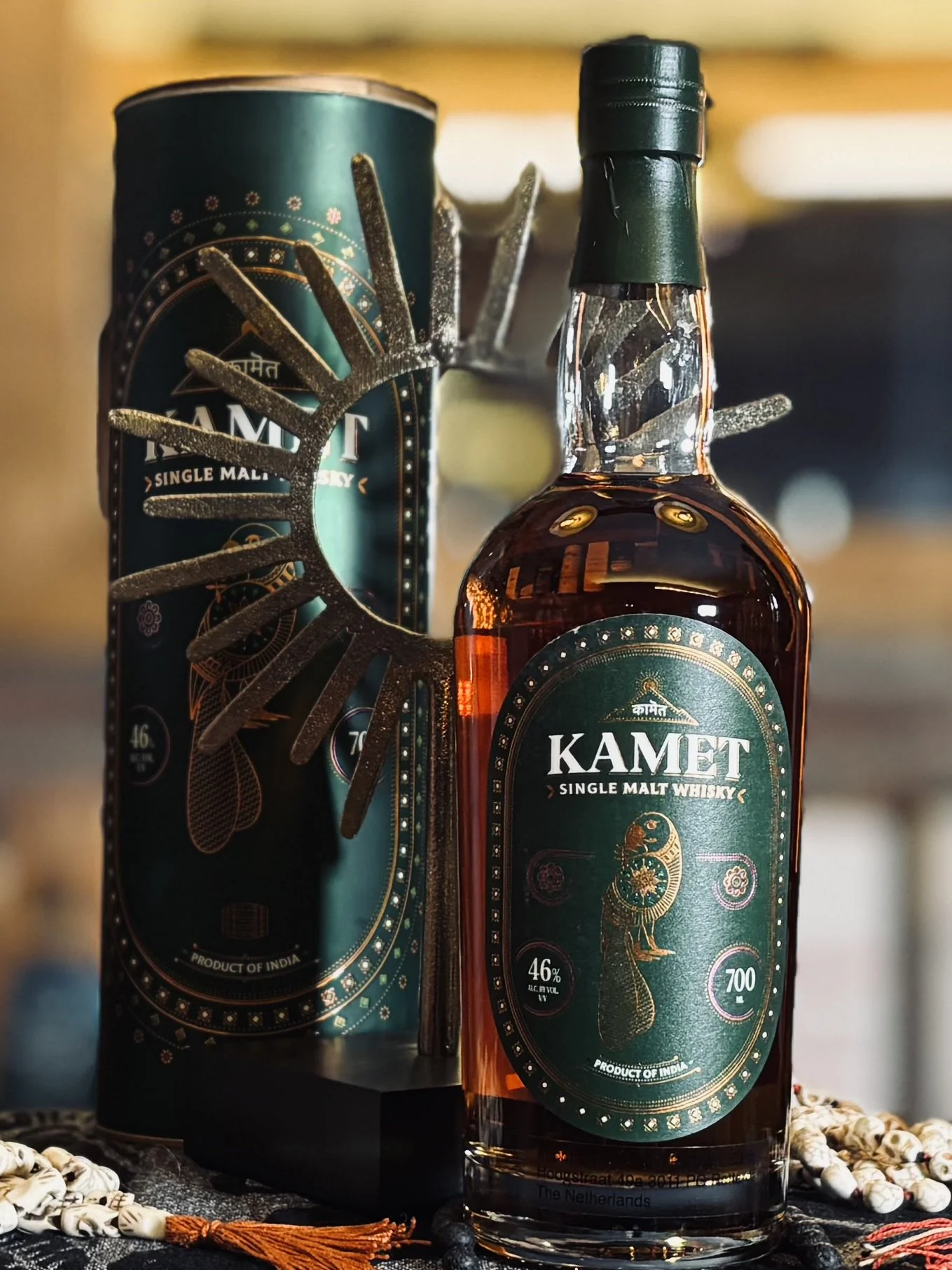
Alongside Indri is Kamet, another Piccadilly project. If Indri represents the distillery's maximum creative expression, Kamet can be seen as a more traditional ‘spin-off’, but no less significant for that. For many, it was their first real encounter with a modern, well-structured Indian single malt, and it remains a fundamental piece in the growth and international credibility of Indian whisky.
Between you and me: I love it!
conclusions
The journey into the world of Indian Single Malt is not simply an alternative to Scotch. It is a universe unto itself.
To love Indian whisky is to embrace diversity, set aside preconceptions, and allow yourself to be surprised. Because whisky, before being a question of origin, is a question of emotion.
Alla salute & Namaste!
-
Quando si parla di whisky, l’immaginario collettivo corre immediatamente verso la Scozia o l’Irlanda. Eppure, esiste un mondo altrettanto affascinante e sorprendente che merita di essere raccontato senza pregiudizi: quello del whisky indiano.
L’India non è soltanto uno dei più grandi consumatori di whisky al mondo, ma è anche una terra che oggi produce Single Malt di altissimo livello, nati in contesti climatici estremi, con identità forti e storie uniche alle spalle. Per capirli davvero, però, bisogna fare qualche passo indietro.
Antiche bevande rituali
Molto prima dell’arrivo del whisky, l’India conosceva già il valore simbolico e rituale delle bevande alcoliche. Nei testi vedici più antichi compaiono due nomi fondamentali: Soma e Sura.
Il Soma è una bevanda sacra, celebrata nel Rigveda, associata al divino, all’immortalità e alla conoscenza. Non era semplicemente una bevanda, ma un ponte tra il mondo umano e quello degli dèi, consumata durante rituali religiosi.
La Sura, invece, era una bevanda più terrena. Spesso fermentata e in alcuni casi probabilmente distillata, talvolta a base di cereali come l’orzo, era conosciuta e consumata anche al di fuori dei contesti rituali. Una bevanda controversa, amata e criticata allo stesso tempo, ma che testimonia come l’India avesse già una relazione complessa e profonda con l’alcol molto prima dell’era moderna.
L’arrivo del whisky in India: l’eredità britannica
Il whisky, così come lo intendiamo oggi, arriva in India con la dominazione britannica. Gli ufficiali dell’Impero portano con sé le proprie abitudini, i propri gusti e, naturalmente, le bottiglie di Scotch.
Per molto tempo, il whisky in India rimane un prodotto importato, riservato alle élite coloniali. Con il passare degli anni, però, nascono le prime produzioni locali, spesso più orientate verso blends adattati al gusto del mercato interno.
È solo negli ultimi decenni che l’India inizia a confrontarsi seriamente con il concetto di Single Malt whisky, decidendo di non imitare la Scozia, ma di costruire una propria identità.
Il Single Malt indiano oggi
Il clima indiano è tutto fuorché indulgente. Caldo intenso, escursioni termiche marcate e maturazioni rapidissime rendono la produzione di whisky una vera sfida. Ed è proprio qui che nasce il carattere unico dei Single Malt indiani: intensi, espressivi, spesso maturi in tempi sorprendentemente brevi.
Ecco le distillerie più rappresentative.
1. Amrut
Amrut è, a tutti gli effetti, il pioniere del Single Malt indiano. Fondata a Bangalore, la distilleria ha cambiato per sempre la percezione del whisky indiano nel mondo.
Quando fece la sua comparsa sulla scena internazionale, nel 1948, molti rimasero spiazzati. Un Single Malt indiano capace di competere con nomi storici scozzesi. Profili intensi e una personalità impossibile da ignorare.
Amrut ha aperto la strada a tutti gli altri.
2. Paul John
Dalla costa di Goa arriva Paul John, una distilleria che ha saputo unire eleganza, precisione e carattere tropicale. I suoi whisky sono spesso morbidi, bilanciati, con una gestione della torba raffinata e mai eccessiva.
Paul John ha dimostrato che il clima caldo non è un limite, ma uno strumento per creare qualcosa di unico.
3. Rampur
Situata nell’Uttar Pradesh, Rampur rappresenta un punto d’incontro tra tradizione, storia e modernità. Qui il whisky nasce in una zona dal clima continentale, con forti escursioni termiche che influenzano profondamente la maturazione.
Rampur è sinonimo di eleganza, spezie delicate e un approccio quasi aristocratico al Single Malt indiano.
4. GianChand
Ci spostiamo verso nord-ovest, nella regione del Jammu e Kashmir. GianChand è prodotto dalla DeVANS Modern Breweries, un’azienda attiva fin dagli anni Sessanta.
Il progetto nasce dalla visione e dalla passione di Gian Chand Dewan, che ha impiegato decenni prima di arrivare al suo primo Single Malt, lanciandolo nel 2022. Qui il clima è più fresco, la maturazione più lenta e controllata, e i profili risultano spesso più misurati ed eleganti.
GianChand Adambaraa ha ricevuto importanti riconoscimenti internazionali, confermando la maturità raggiunta dal whisky indiano.
5. Godawan
Dal nord passiamo al deserto del Rajasthan. Godawan è un progetto firmato Diageo India e prende il nome da un uccello in via di estinzione, simbolo di questa regione estrema.
Conosciuto come Spirit of the Desert, Godawan nasce in condizioni climatiche durissime. Parte dei ricavi viene destinata alla conservazione della specie da cui prende il nome, unendo produzione e responsabilità ambientale.
Un whisky che racconta il territorio in modo diretto e senza compromessi.
6. Kamet e Indri
Concludiamo il nostro viaggio nello stato dell’Haryana, sede della Piccadily Distillery, una delle realtà più interessanti e riconoscibili del panorama indiano contemporaneo.
Il cuore della produzione è Indri, un Single Malt che si distingue fin da subito per identità e visione. La sua espressione di base, Trini, è il primo whisky indiano ad essere maturato in tre diverse tipologie di botte: ex-Bourbon, ex-vino ed ex PX Sherry. Il risultato è un profilo ricco, fruttato e sorprendente, lontano da qualsiasi riferimento classico.
Il nome Indri richiama i cinque sensi, e non è un caso: è un whisky che va vissuto più che analizzato, capace di stimolare memoria ed emozione più che schemi tecnici.Accanto a Indri troviamo Kamet, un altro progetto di Piccadily. Se Indri rappresenta la massima espressione creativa della distilleria, Kamet può essere visto come uno “spin-off” più tradizionale, ma non per questo meno significativo. È stato per molti il primo vero incontro con un Single Malt indiano moderno e ben strutturato, e resta un tassello fondamentale nella crescita e nella credibilità internazionale del whisky indiano.
Detta tra noi: io lo adoro!
Conclusione
Il viaggio nel mondo del Single Malt indiano non è una semplice alternativa allo Scotch. È un universo a sé.
Amare il whisky indiano significa accettare la diversità, mettere da parte i pregiudizi e lasciarsi sorprendere. Perché il whisky, prima di essere una questione di origine, è una questione di emozione.
Alla salute e Namasté!
-
Wenn man von Whisky spricht, denkt man sofort an Schottland oder Irland. Es gibt jedoch eine ebenso faszinierende und überraschende Welt, die es verdient, ohne Vorurteile erzählt zu werden: die Welt des indischen Whiskys.
Indien ist nicht nur einer der größten Whisky-Konsumenten der Welt, sondern auch ein Land, das heute Single Malts von höchster Qualität produziert, die unter extremen klimatischen Bedingungen entstehen und eine starke Identität und einzigartige Geschichte haben. Um sie wirklich zu verstehen, muss man jedoch ein paar Schritte zurückgehen.
Antike rituelle Getränke
Lange vor der Ankunft des Whiskys kannte Indien bereits den symbolischen und rituellen Wert alkoholischer Getränke. In den ältesten vedischen Texten tauchen zwei grundlegende Namen auf: Soma und Sura.
Soma ist ein heiliges Getränk, das im Rigveda gefeiert wird und mit dem Göttlichen, der Unsterblichkeit und dem Wissen in Verbindung gebracht wird. Es war nicht einfach nur ein Getränk, sondern eine Brücke zwischen der Welt der Menschen und der Welt der Götter, die bei religiösen Ritualen getrunken wurde.
Sura hingegen war ein eher weltliches Getränk. Oft fermentiert und in einigen Fällen wahrscheinlich destilliert, manchmal auf Getreidebasis wie Gerste, war es auch außerhalb ritueller Kontexte bekannt und wurde konsumiert. Ein umstrittenes Getränk, das gleichzeitig geliebt und kritisiert wurde, aber bezeugt, dass Indien schon lange vor der Moderne eine komplexe und tiefe Beziehung zum Alkohol hatte.
Die Ankunft des Whiskys in Indien: das britische Erbe
Whisky, wie wir ihn heute kennen, kam mit der britischen Herrschaft nach Indien. Die Offiziere des Empire brachten ihre Gewohnheiten, ihren Geschmack und natürlich ihre Flaschen Scotch mit.
Lange Zeit blieb Whisky in Indien ein Importprodukt, das der kolonialen Elite vorbehalten war. Im Laufe der Jahre entstanden jedoch die ersten lokalen Produktionen, die oft eher auf Blends ausgerichtet waren, die dem Geschmack des Binnenmarktes entsprachen.
Erst in den letzten Jahrzehnten begann Indien, sich ernsthaft mit dem Konzept des Single Malt Whiskys auseinanderzusetzen und beschloss, Schottland nicht zu imitieren, sondern eine eigene Identität aufzubauen.
Der indische Single Malt heute
Das indische Klima ist alles andere als mild. Intensive Hitze, starke Temperaturschwankungen und sehr schnelle Reifungsprozesse machen die Whiskyherstellung zu einer echten Herausforderung. Genau hier liegt der einzigartige Charakter der indischen Single Malts: intensiv, ausdrucksstark und oft in überraschend kurzer Zeit gereift.
Hier sind die repräsentativsten Brennereien.
1. Amrut
Amrut ist in jeder Hinsicht der Pionier des indischen Single Malt. Die in Bangalore gegründete Brennerei hat die Wahrnehmung von indischem Whisky in der Welt für immer verändert.
Als er 1948 auf der internationalen Bühne erschien, waren viele überrascht. Ein indischer Single Malt, der mit historischen schottischen Namen konkurrieren konnte. Intensive Profile und eine Persönlichkeit, die man nicht ignorieren kann.
Amrut hat den Weg für alle anderen geebnet.
2. Paul John
Von der Küste Goas kommt Paul John, eine Brennerei, die es verstanden hat, Eleganz, Präzision und tropischen Charakter zu vereinen. Ihre Whiskys sind oft weich, ausgewogen, mit einem raffinierten und niemals übertriebenen Torfgeschmack.
Paul John hat gezeigt, dass das warme Klima keine Einschränkung ist, sondern ein Mittel, um etwas Einzigartiges zu schaffen.
3. Rampur
Rampur liegt in Uttar Pradesh und ist ein Treffpunkt zwischen Tradition, Geschichte und Moderne. Hier entsteht der Whisky in einer Region mit kontinentalem Klima und starken Temperaturschwankungen, die den Reifungsprozess stark beeinflussen.
Rampur steht für Eleganz, delikate Gewürze und einen fast aristokratischen Ansatz für indischen Single Malt.
4. GianChand
Wir bewegen uns weiter nach Nordwesten, in die Region Jammu und Kashmir. GianChand wird von DeVANS Modern Breweries hergestellt, einem Unternehmen, das seit den 1960er Jahren tätig ist.
Das Projekt entstand aus der Vision und Leidenschaft von Gian Chand Dewan, der Jahrzehnte brauchte, um seinen ersten Single Malt zu entwickeln, der 2022 auf den Markt kam. Hier ist das Klima kühler, die Reifung langsamer und kontrollierter, und die Profile sind oft ausgewogener und eleganter.
GianChand Adambaraa hat wichtige internationale Auszeichnungen erhalten, was die Reife des indischen Whiskys bestätigt.
5. Godawan
Vom Norden geht es weiter in die Wüste von Rajasthan. Godawan ist ein Projekt von Diageo India und hat seinen Namen von einem vom Aussterben bedrohten Vogel, dem Symbol dieser extremen Region.
Godawan, bekannt als Spirit of the Desert, entsteht unter extrem harten klimatischen Bedingungen. Ein Teil der Einnahmen fließt in den Schutz der Art, nach der er benannt ist, und verbindet so Produktion und Umweltverantwortung.
Ein Whisky, der das Gebiet auf direkte und kompromisslose Weise widerspiegelt.
6. Kamet und Indri
Wir beenden unsere Reise im Bundesstaat Haryana, dem Sitz der Piccadily Distillery, einer der interessantesten und bekanntesten Destillerien der zeitgenössischen indischen Whisky-Szene.
Das Herzstück der Produktion ist Indri, ein Single Malt, der sich sofort durch seine Identität und Vision auszeichnet. Seine Basisausführung, Trini, ist der erste indische Whisky, der in drei verschiedenen Fassarten gereift ist: Ex-Bourbon, Ex-Wein und Ex-PX-Sherry. Das Ergebnis ist ein reichhaltiges, fruchtiges und überraschendes Profil, das sich von allen klassischen Referenzen unterscheidet.
Der Name Indri erinnert an die fünf Sinne, und das ist kein Zufall: Es ist ein Whisky, der eher erlebt als analysiert werden muss, der eher Erinnerungen und Emotionen als technische Schemata anregt.
Neben Indri gibt es noch Kamet, ein weiteres Projekt von Piccadilly. Wenn Indri den höchsten kreativen Ausdruck der Brennerei darstellt, kann Kamet als ein traditionelleres, aber nicht weniger bedeutendes „Spin-off” angesehen werden. Für viele war er die erste echte Begegnung mit einem modernen und gut strukturierten indischen Single Malt und bleibt ein wichtiger Baustein für das Wachstum und die internationale Glaubwürdigkeit des indischen Whiskys.
Unter uns gesagt: Ich liebe ihn!
Fazit
Die Reise in die Welt des indischen Single Malt ist keine einfache Alternative zum Scotch. Es ist ein Universum für sich.
Indischen Whisky zu lieben bedeutet, Vielfalt zu akzeptieren, Vorurteile beiseite zu lassen und sich überraschen zu lassen. Denn Whisky ist in erster Linie keine Frage der Herkunft, sondern eine Frage der Emotionen.
Alla salute & Namasté!