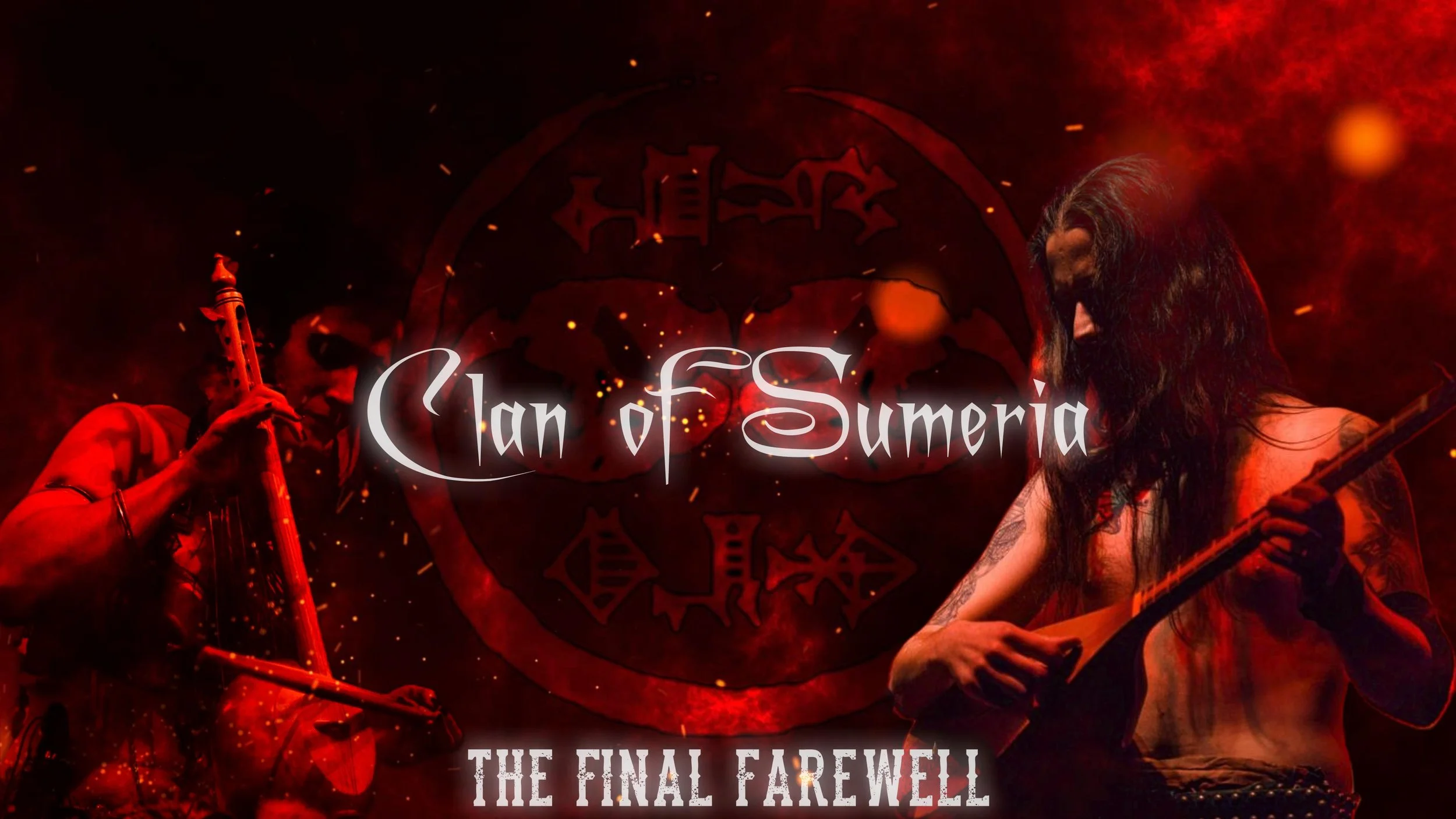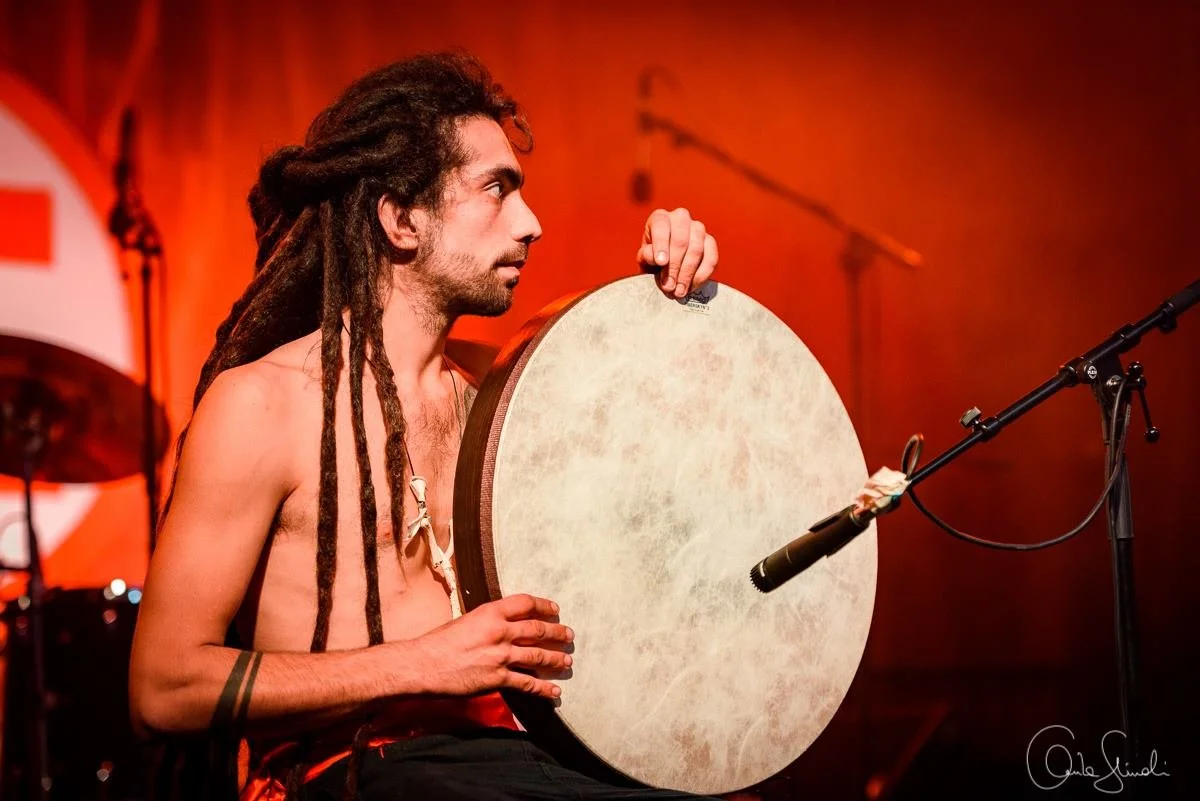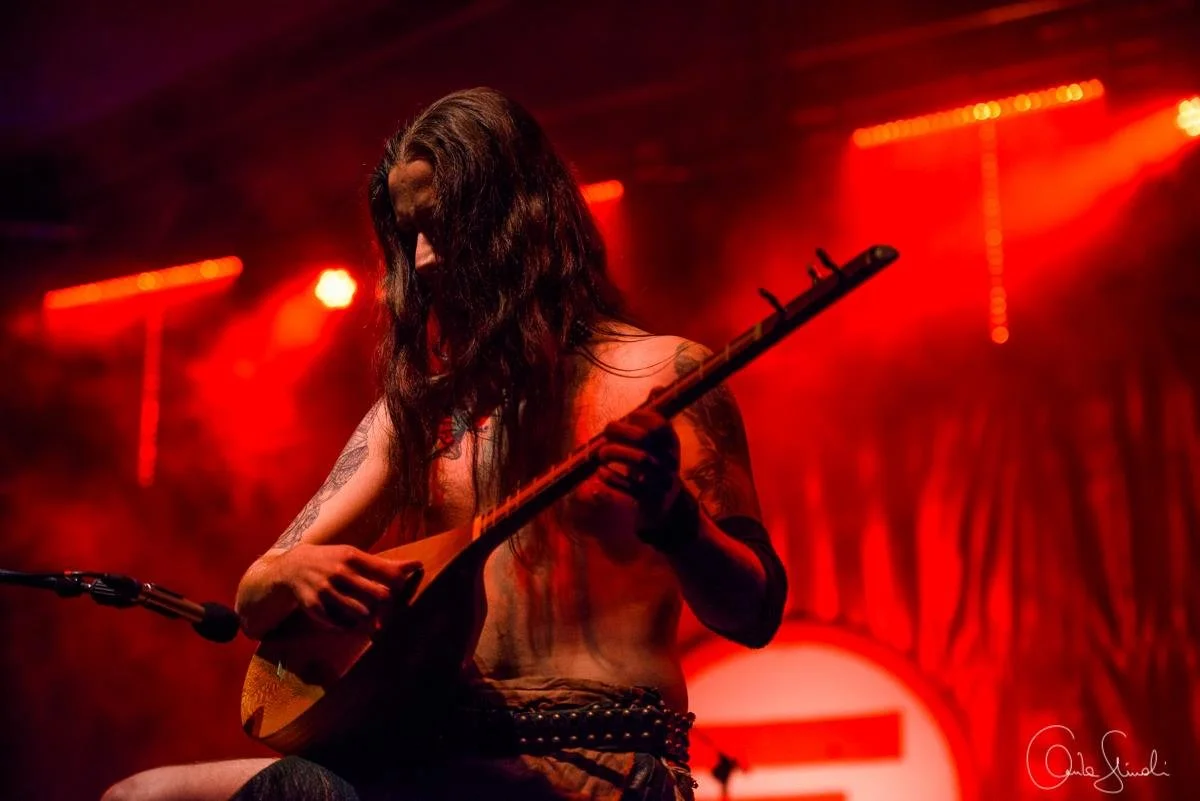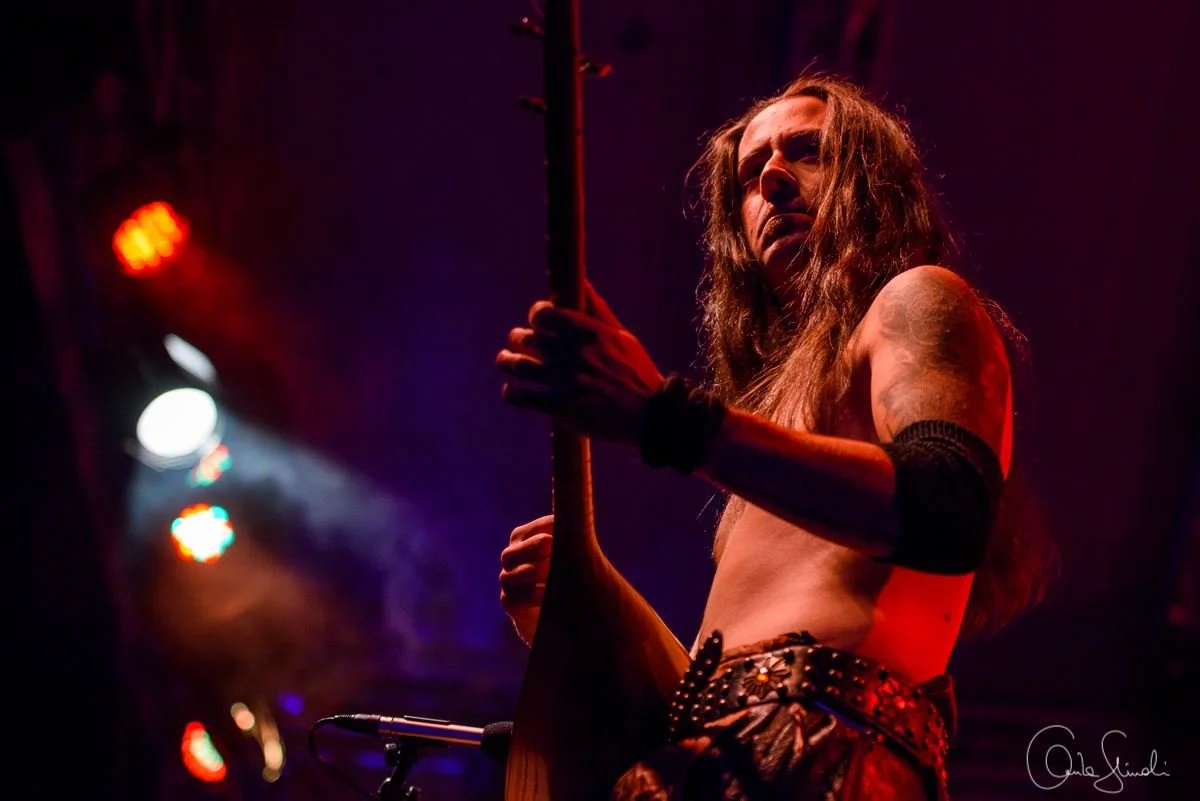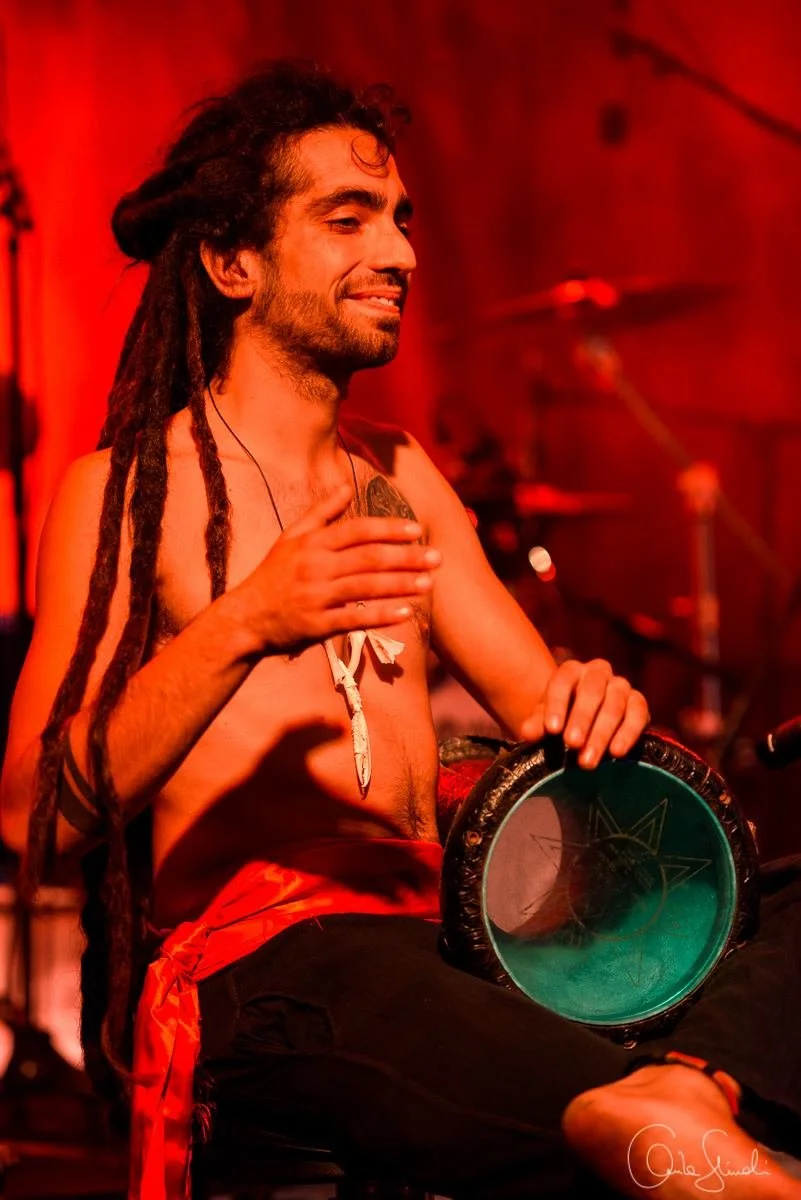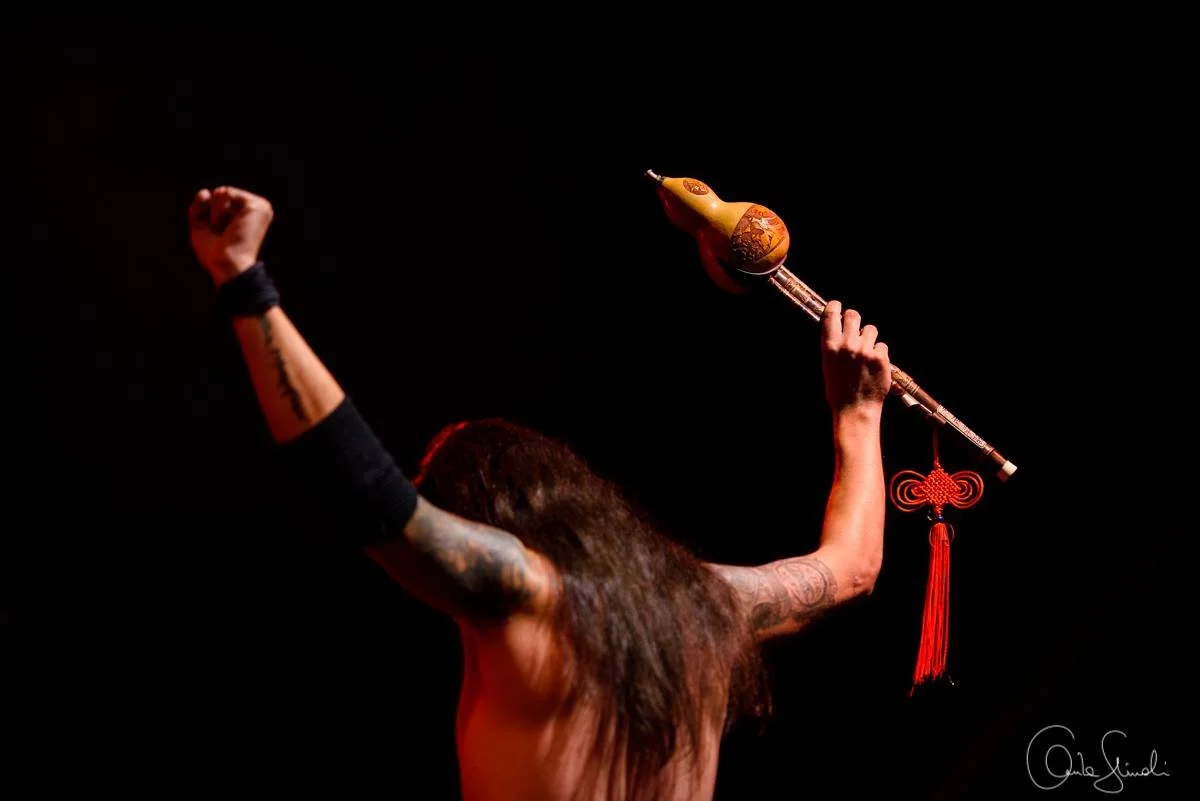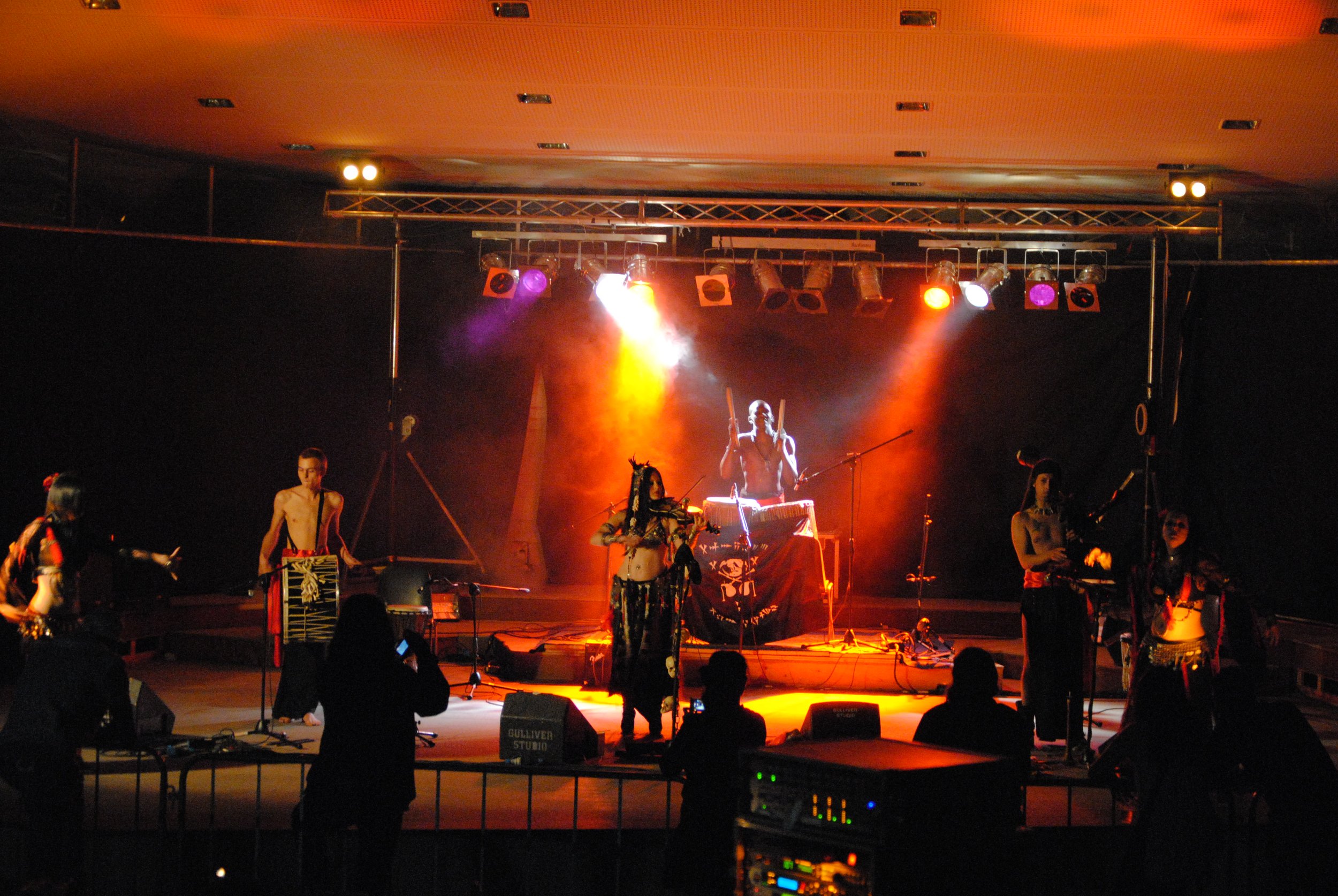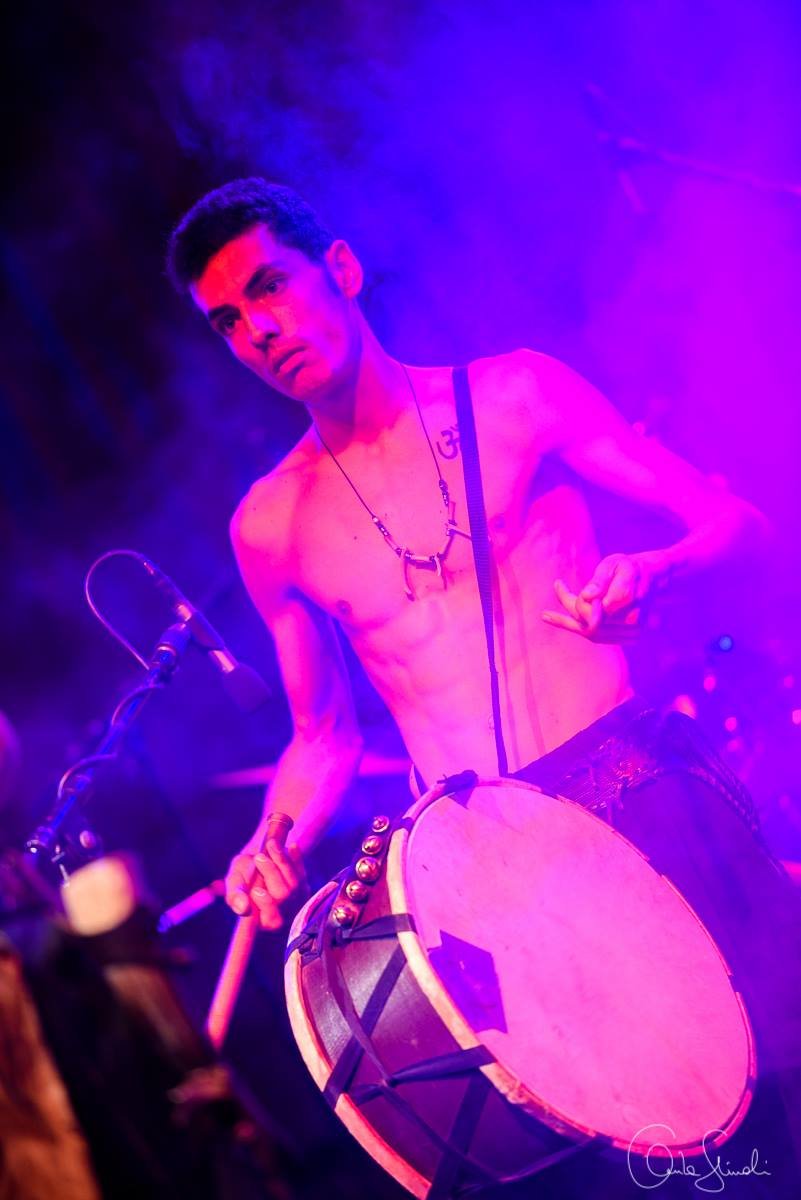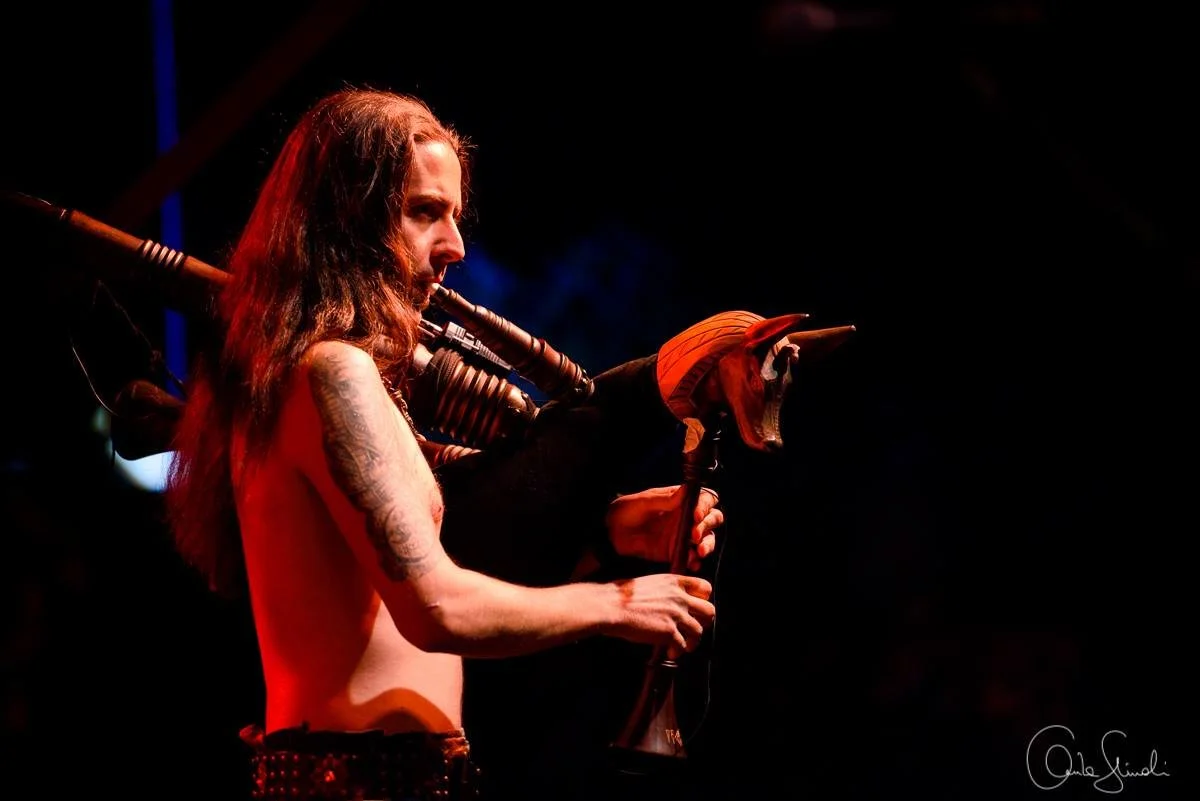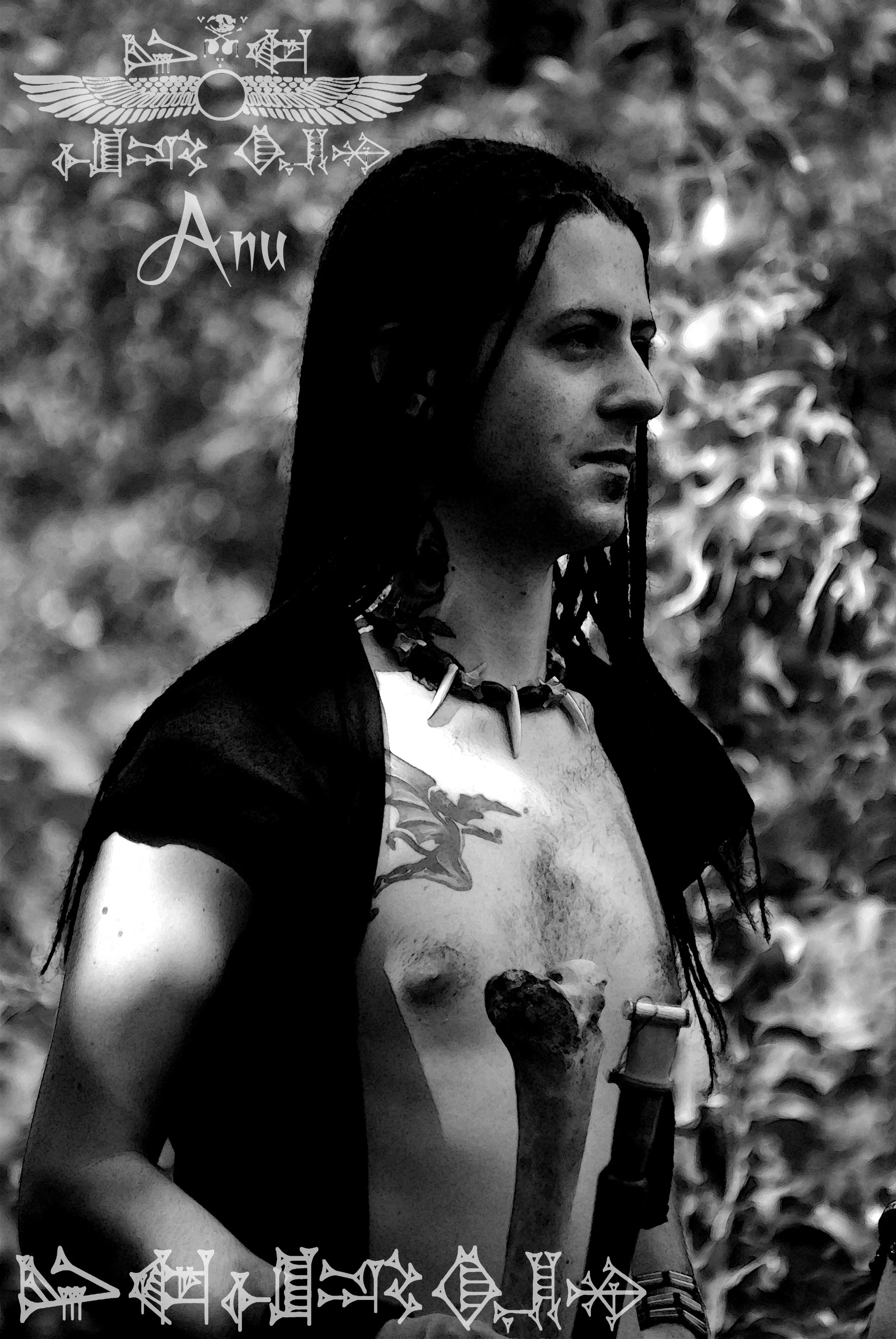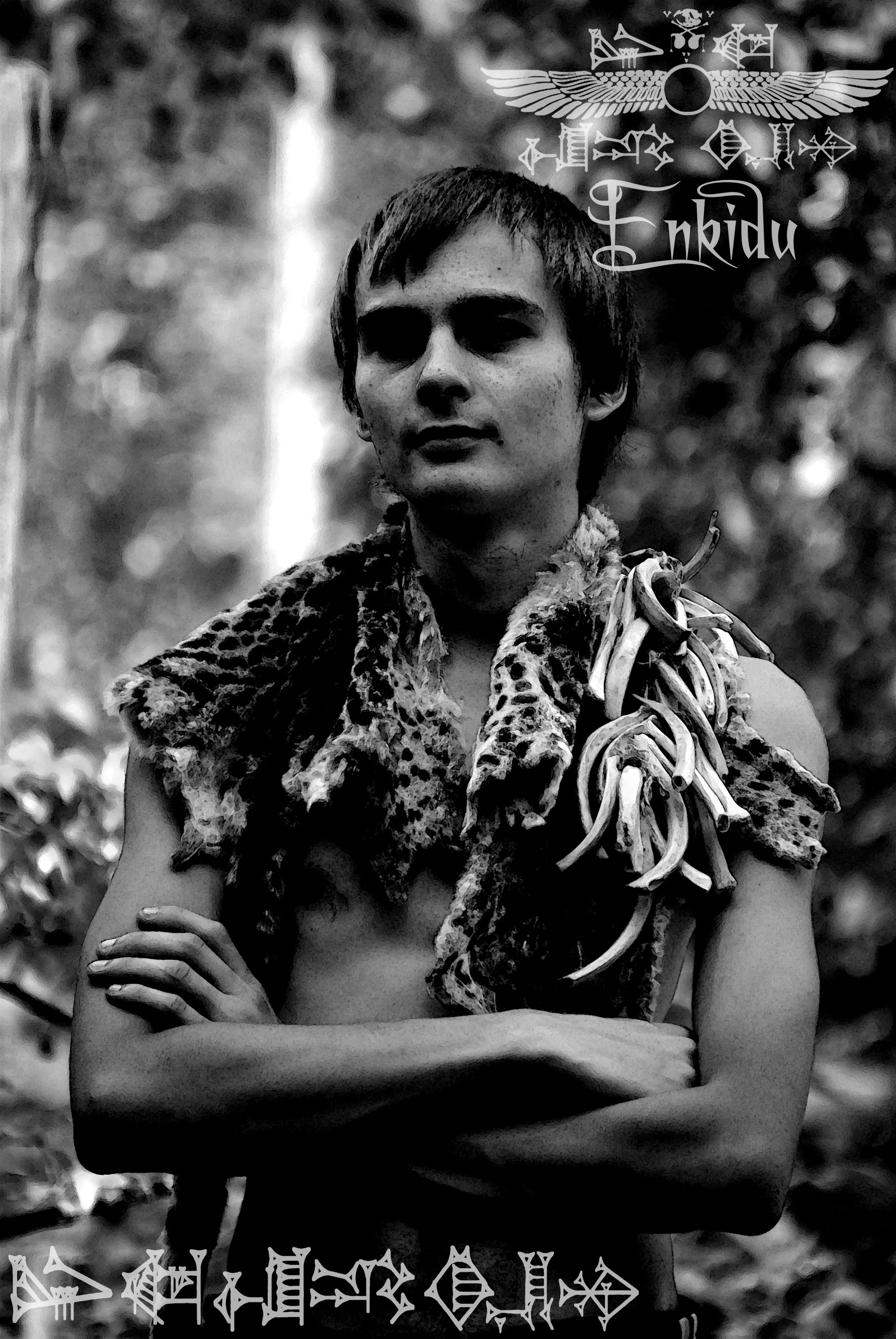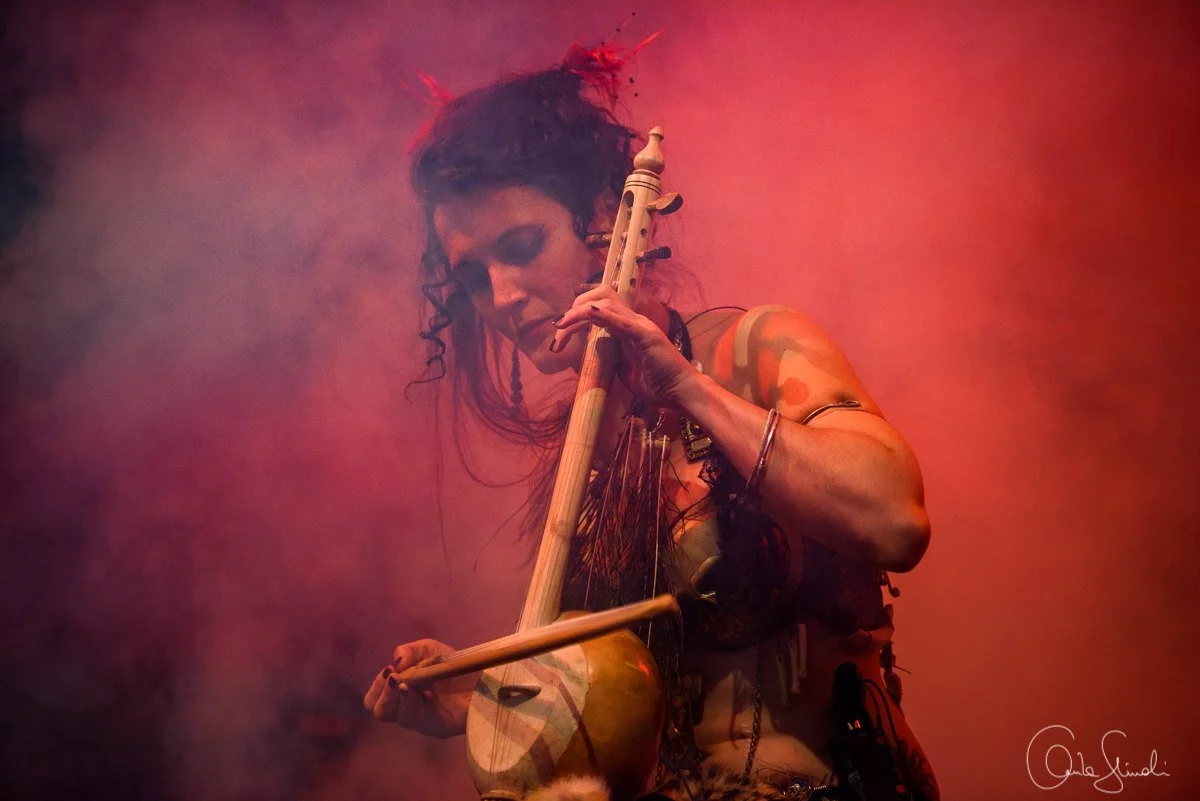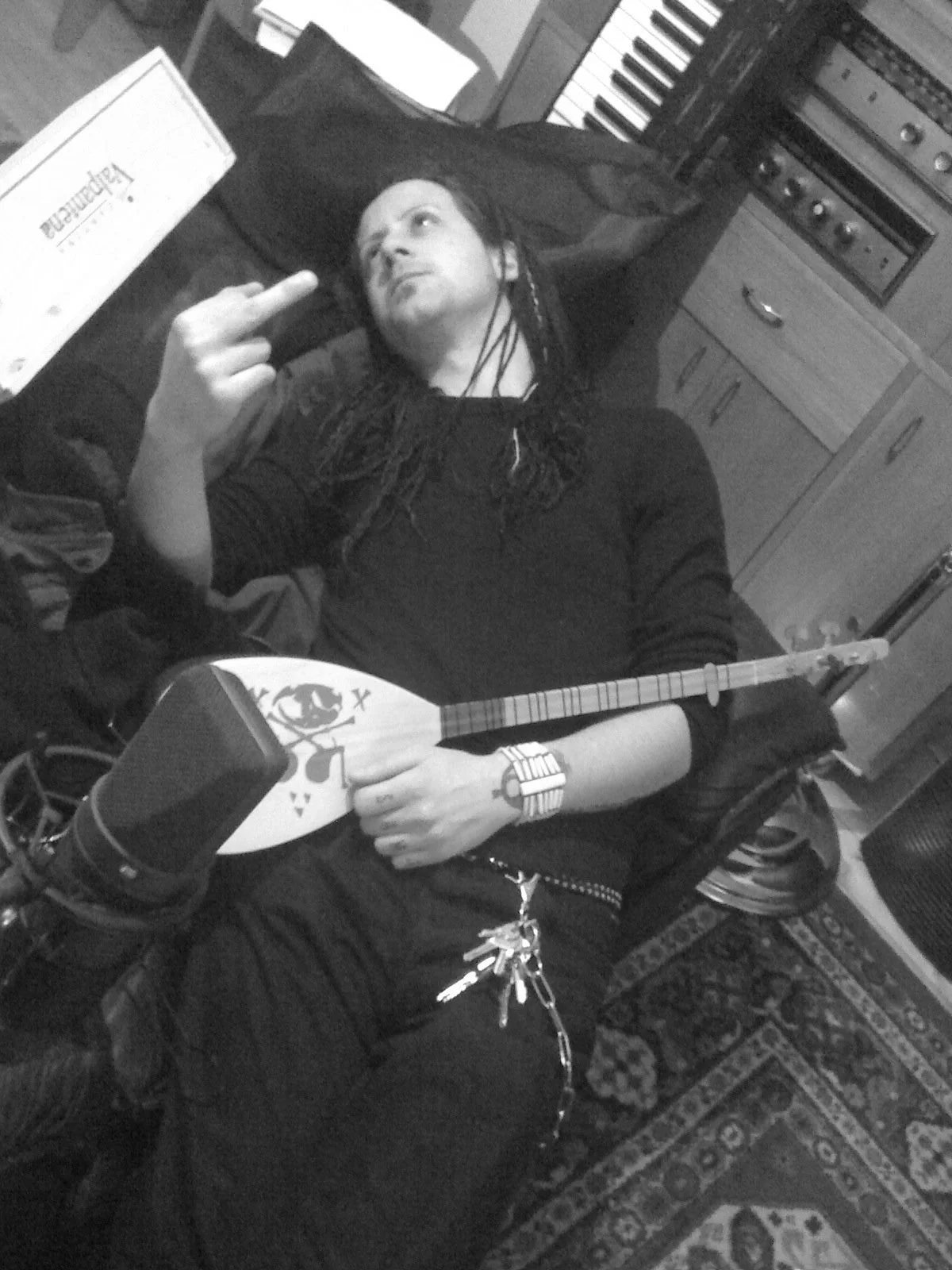

clan of sumeria - the final chapter
It took me a while to find the right moment to write these lines. Not because it was a complicated story, but because some things need time to settle before you can see them clearly.
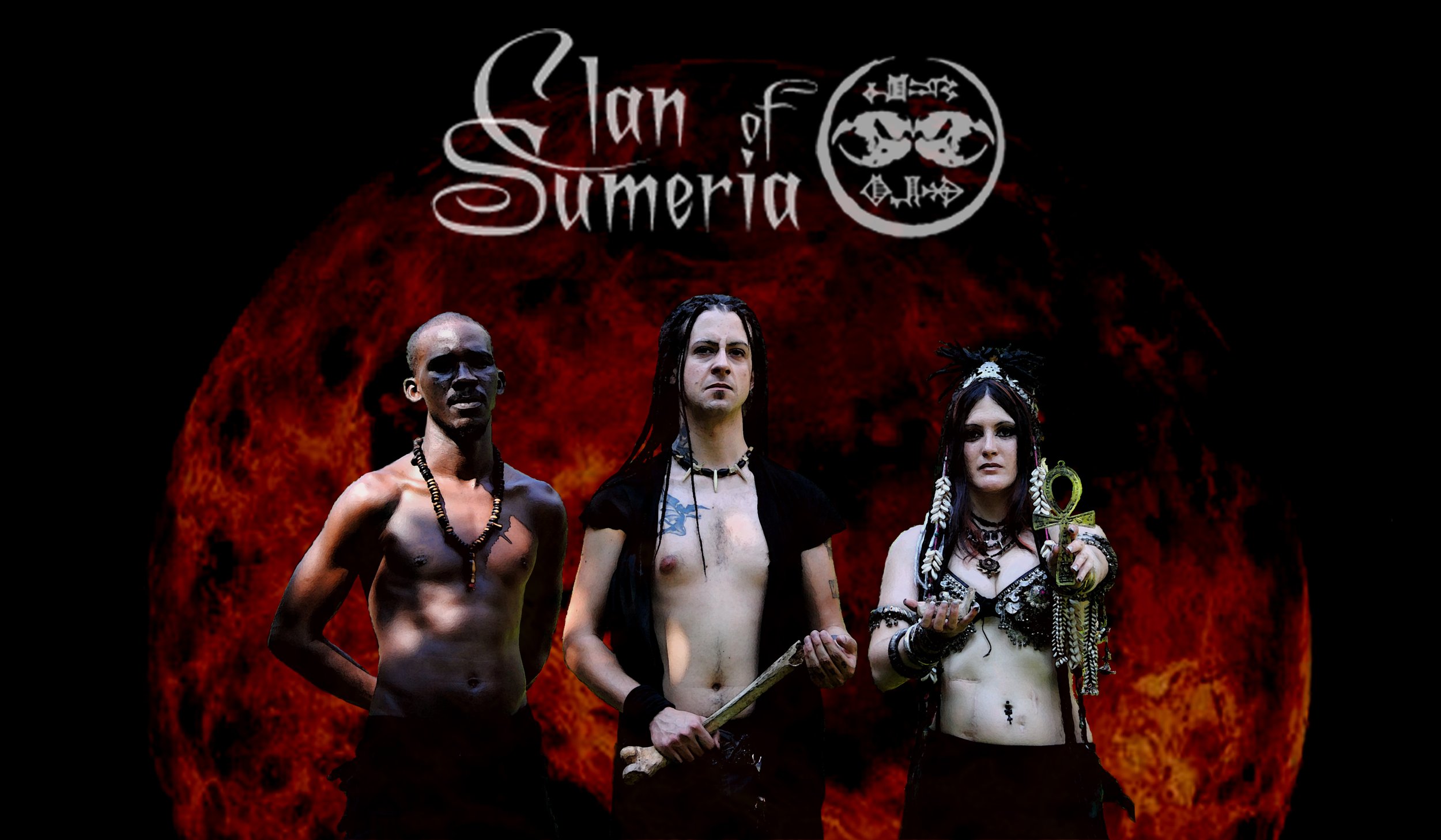
The Clan of Sumeria, my old band, was an important part of my journey. A project that began many years ago, grew naturally, and then, over time, simply came to a halt.
where it all began
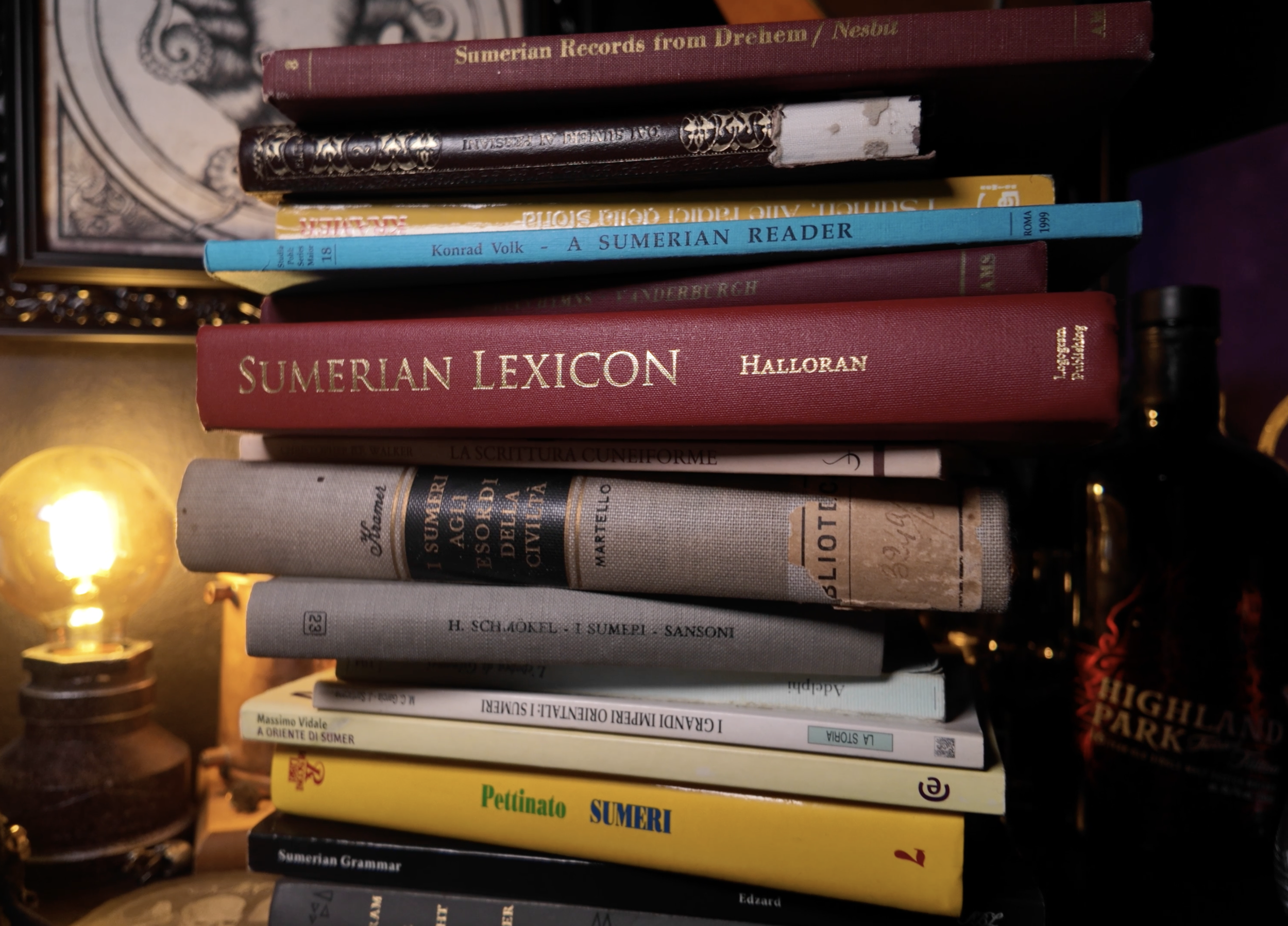
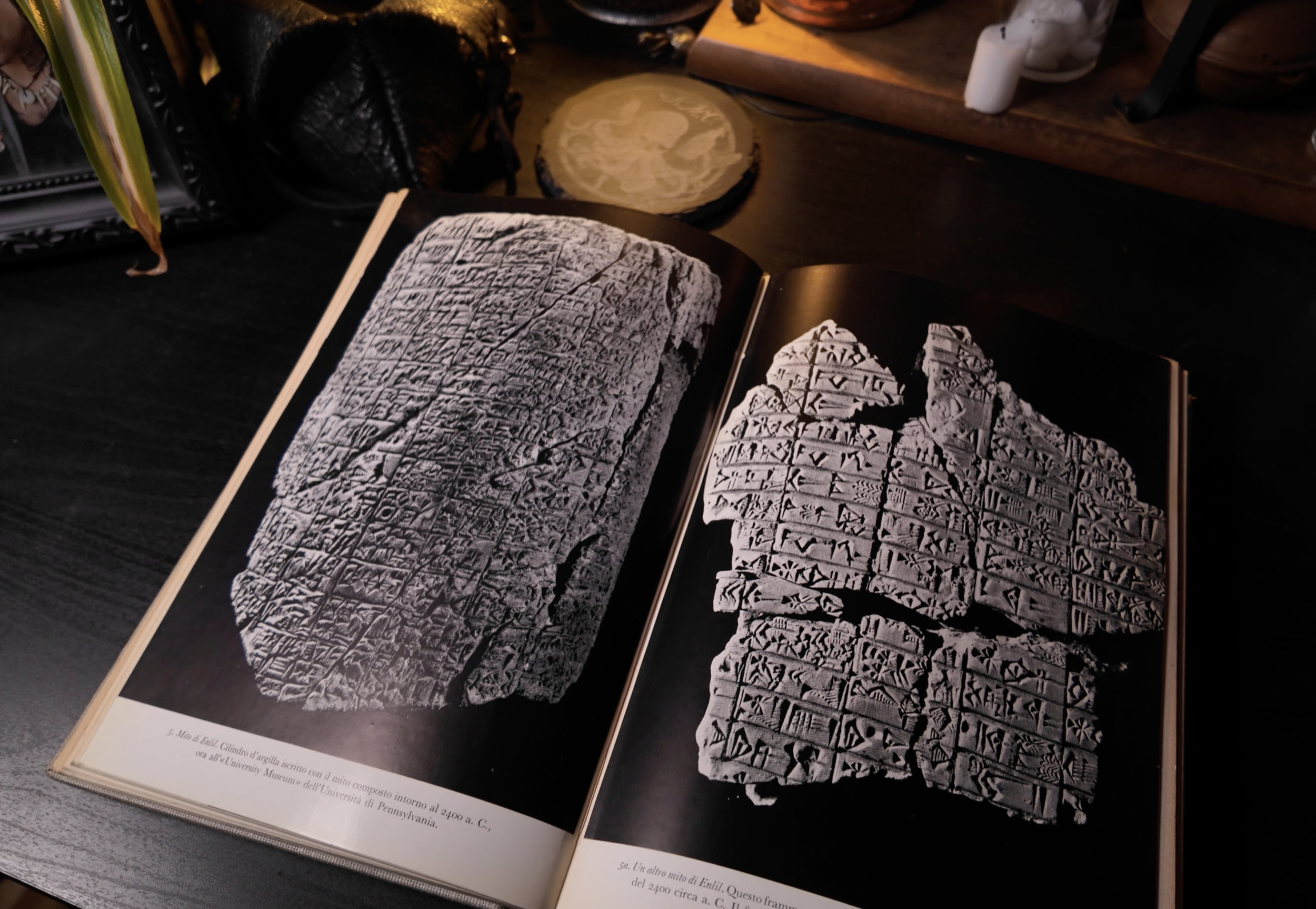
At its core was a very strong passion for history, particularly for Mesopotamian civilizations. It wasn’t just curiosity: it was a genuine desire to step into that world, understand it, and, in some way, bring it back to life.
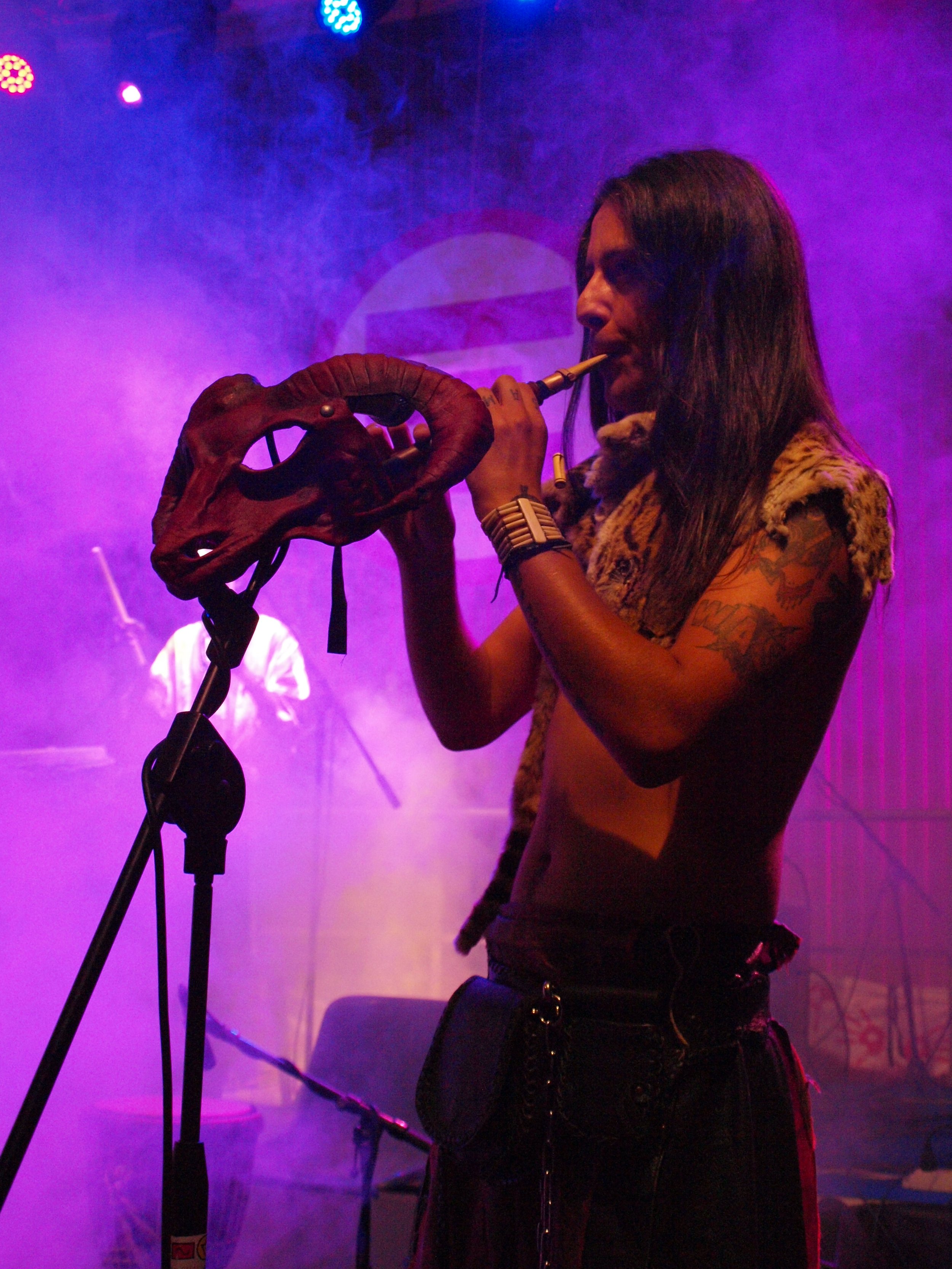
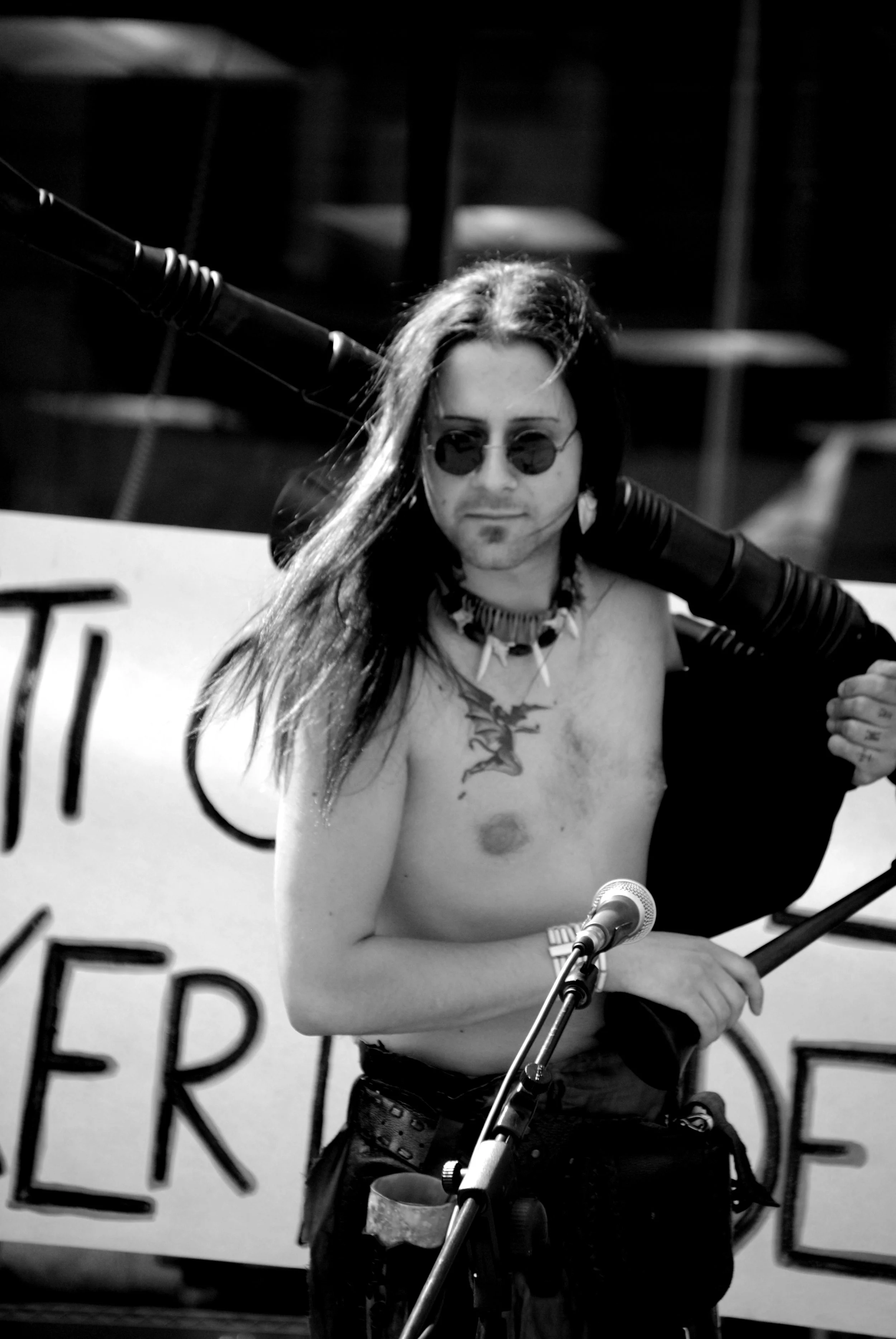
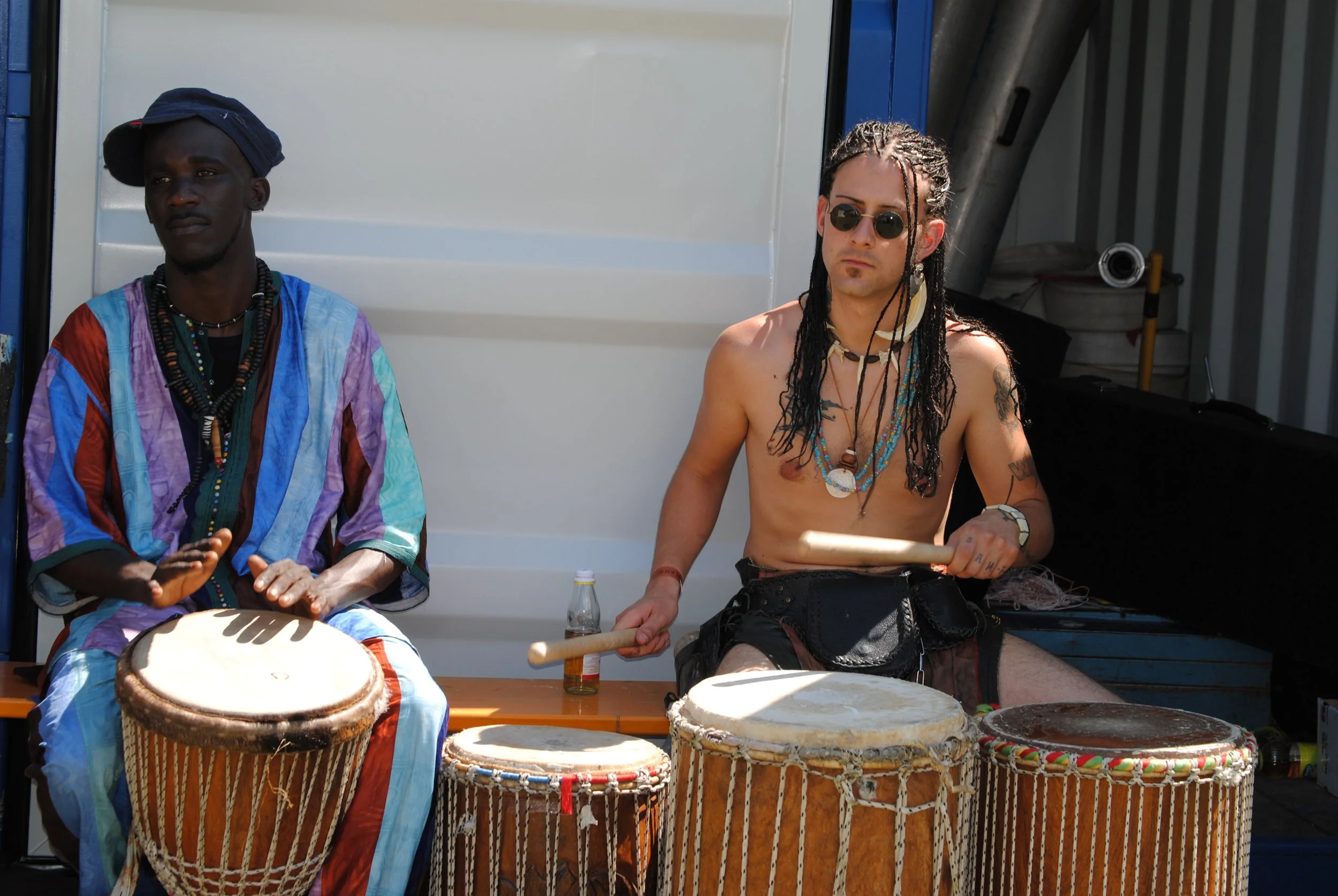
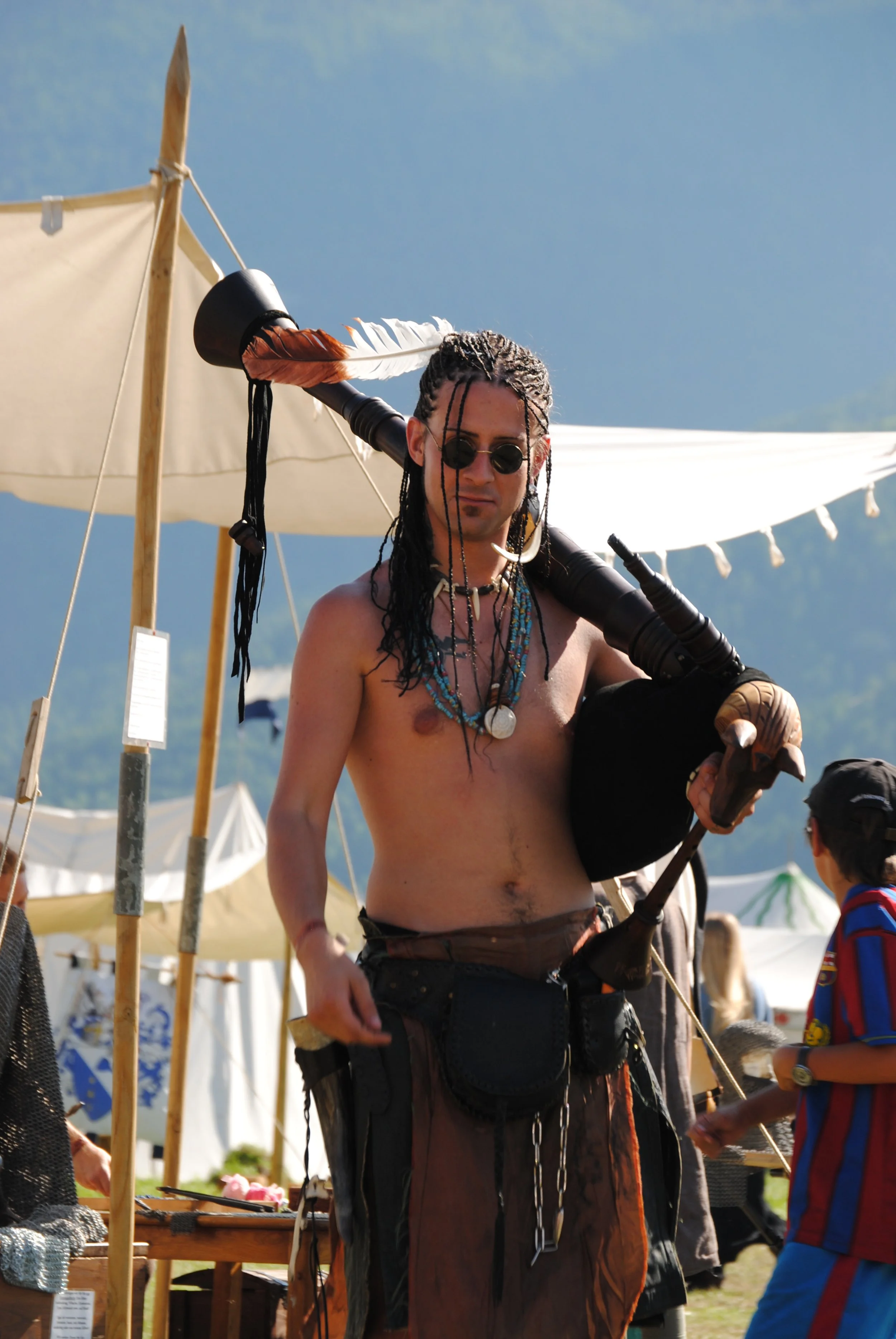
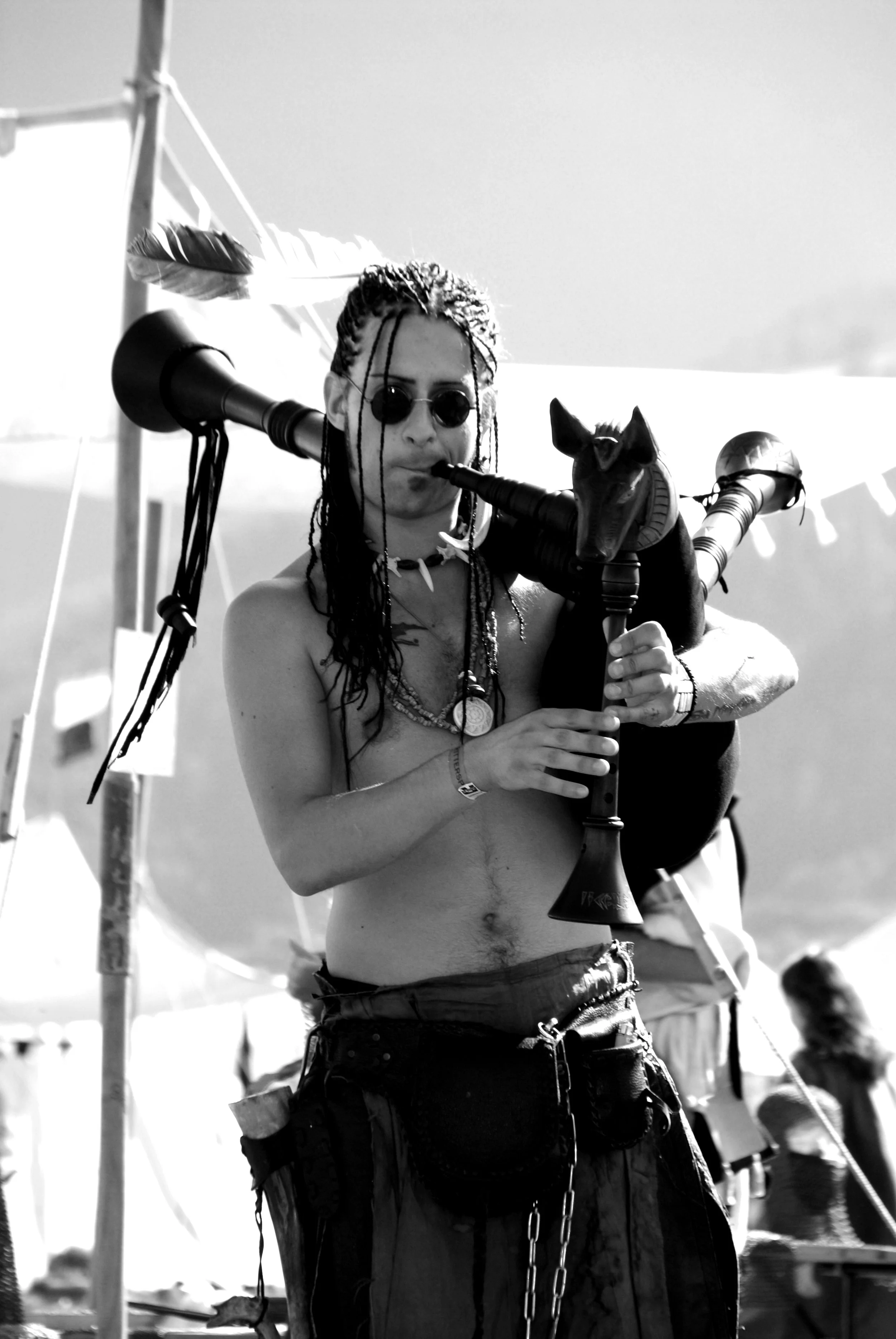
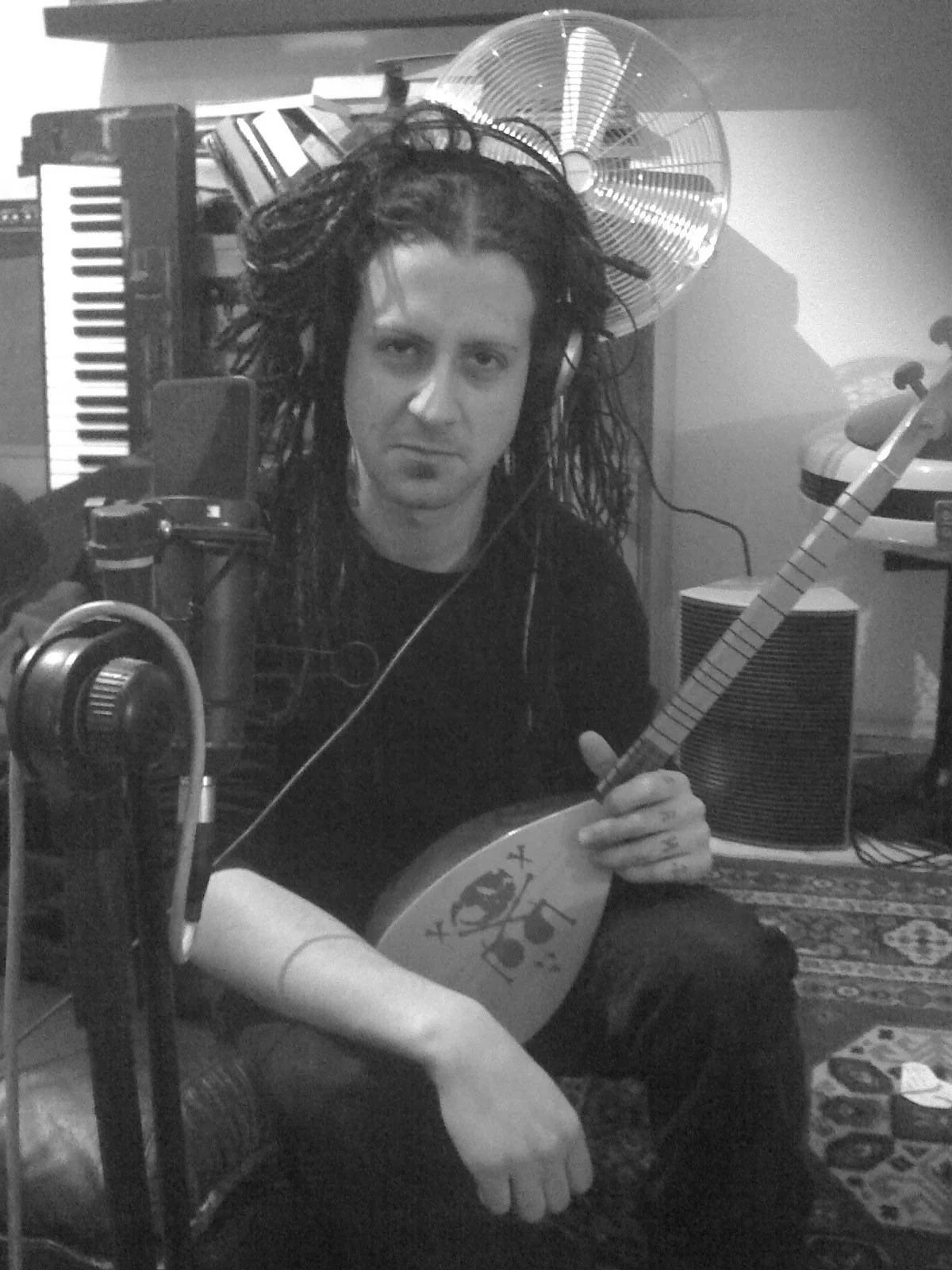
The idea was to bring ancient texts, (especially Sumerian ones) to the stage, accompanied by reconstructed instruments and sounds drawn from various traditions. An ambitious project, certainly, but also a very stimulating one.
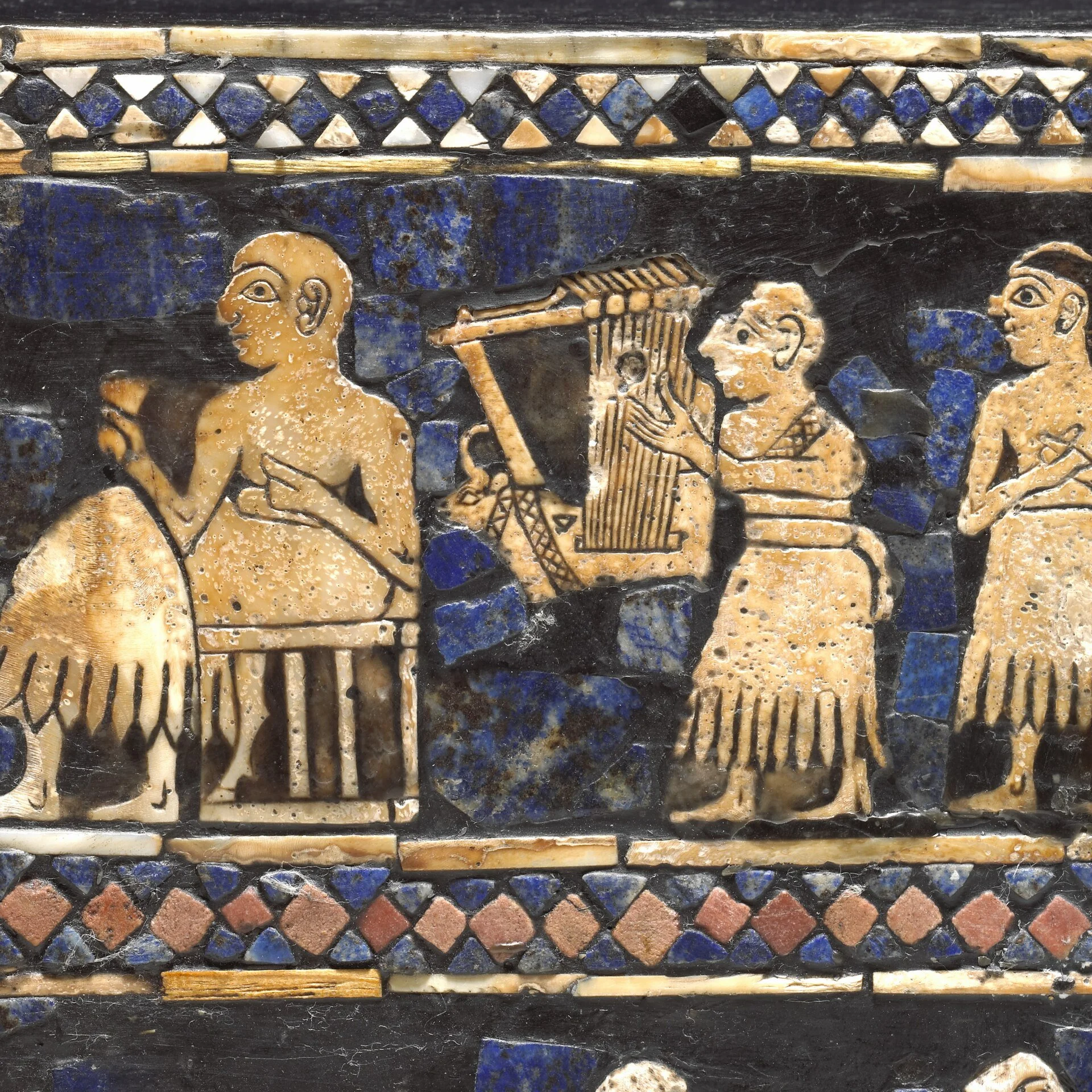
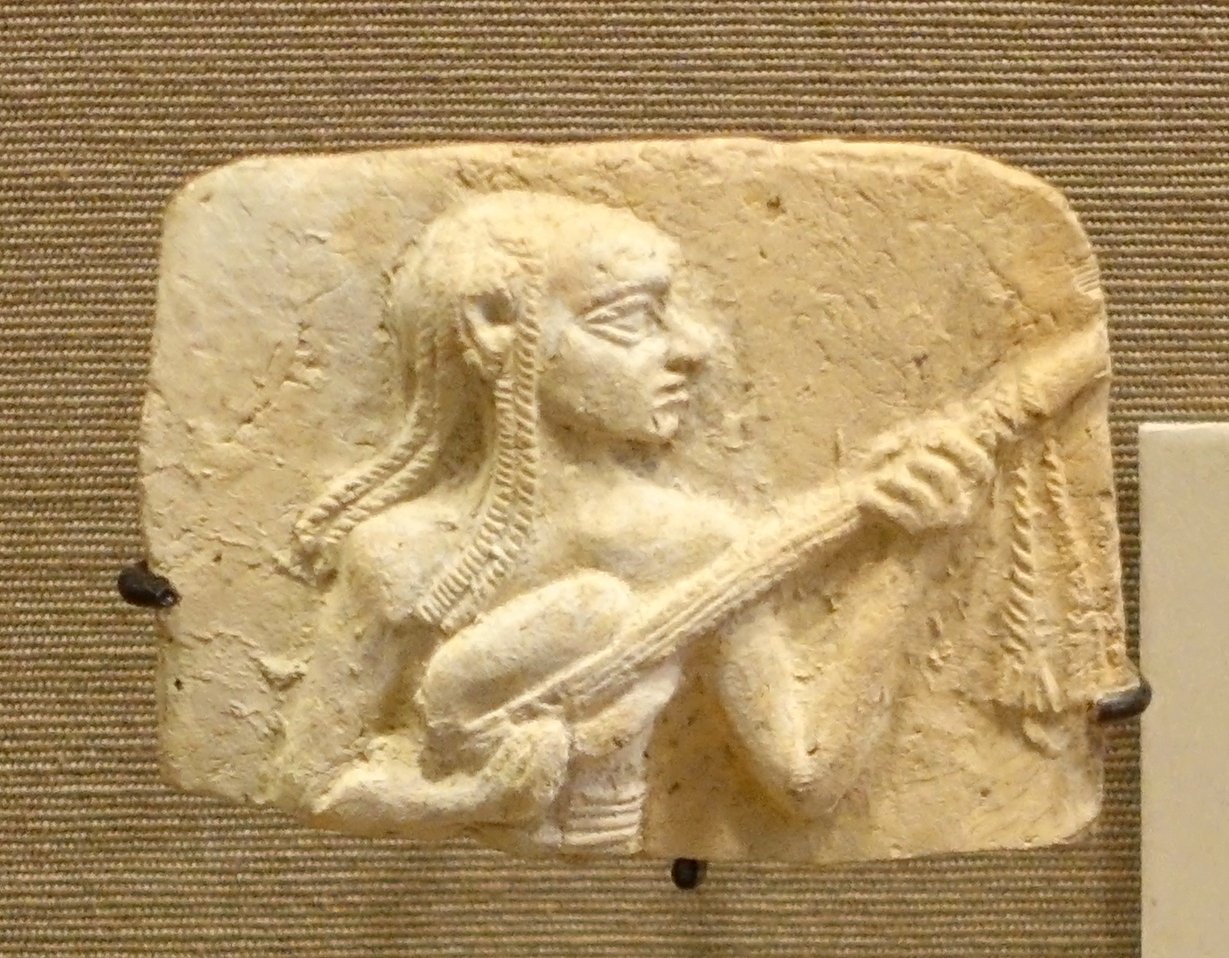
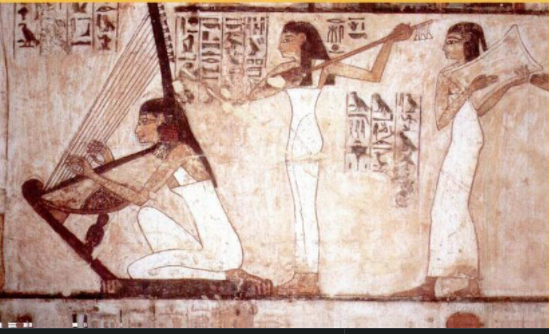
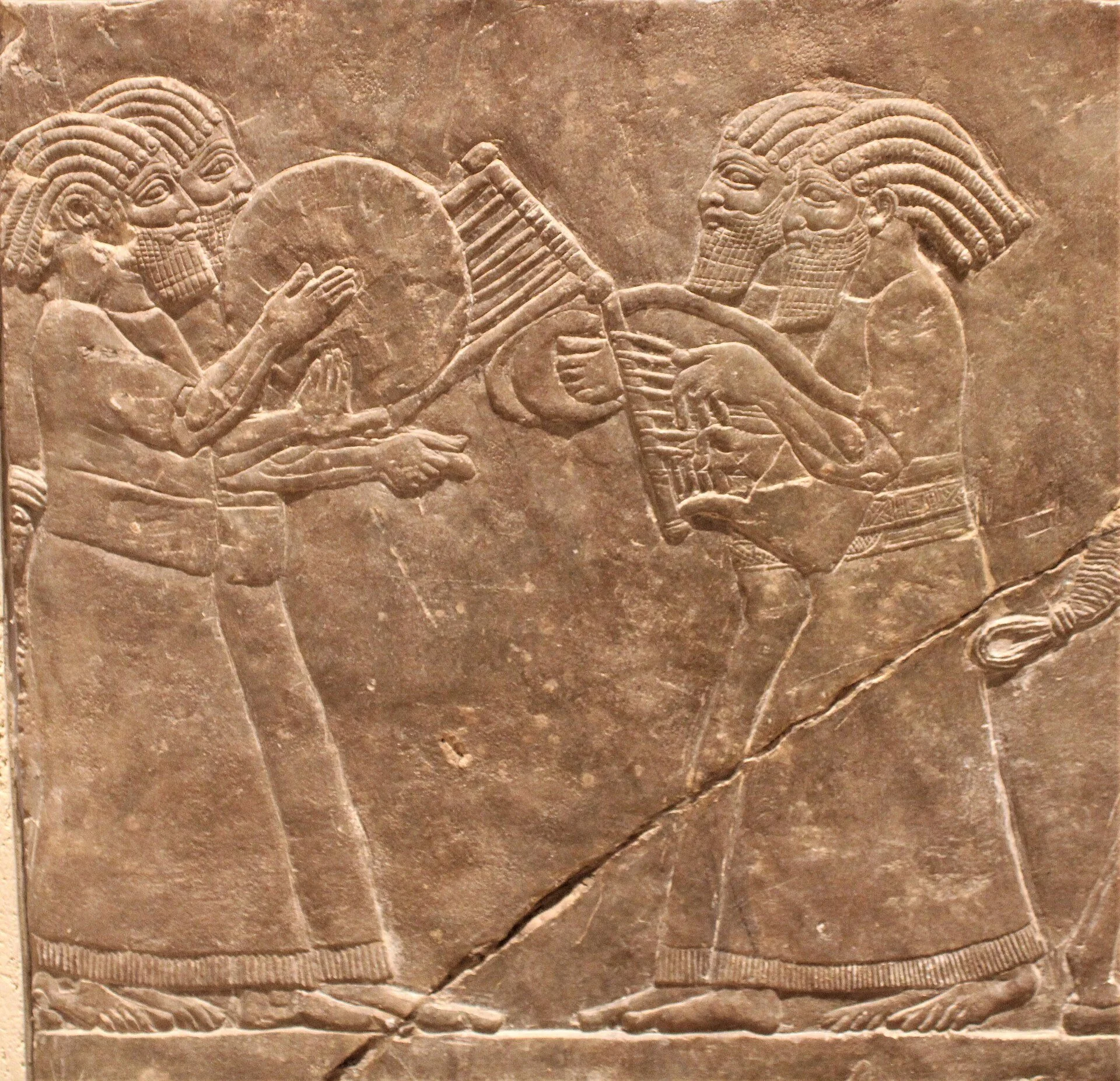
Those were the years of the invasion of Iraq. Images of looted museums and destroyed archaeological sites were everywhere. During that period, a very simple thought stuck with me: it’s curious how, in the name of civilization, we end up destroying precisely what is considered its origin, its cradle.
That feeling gave the project an extra push. It was no longer just music. There was also the idea of preserving something, in our own small way.
a non-linear journey
Clan of Sumeria has never been an easy project to pigeonhole.
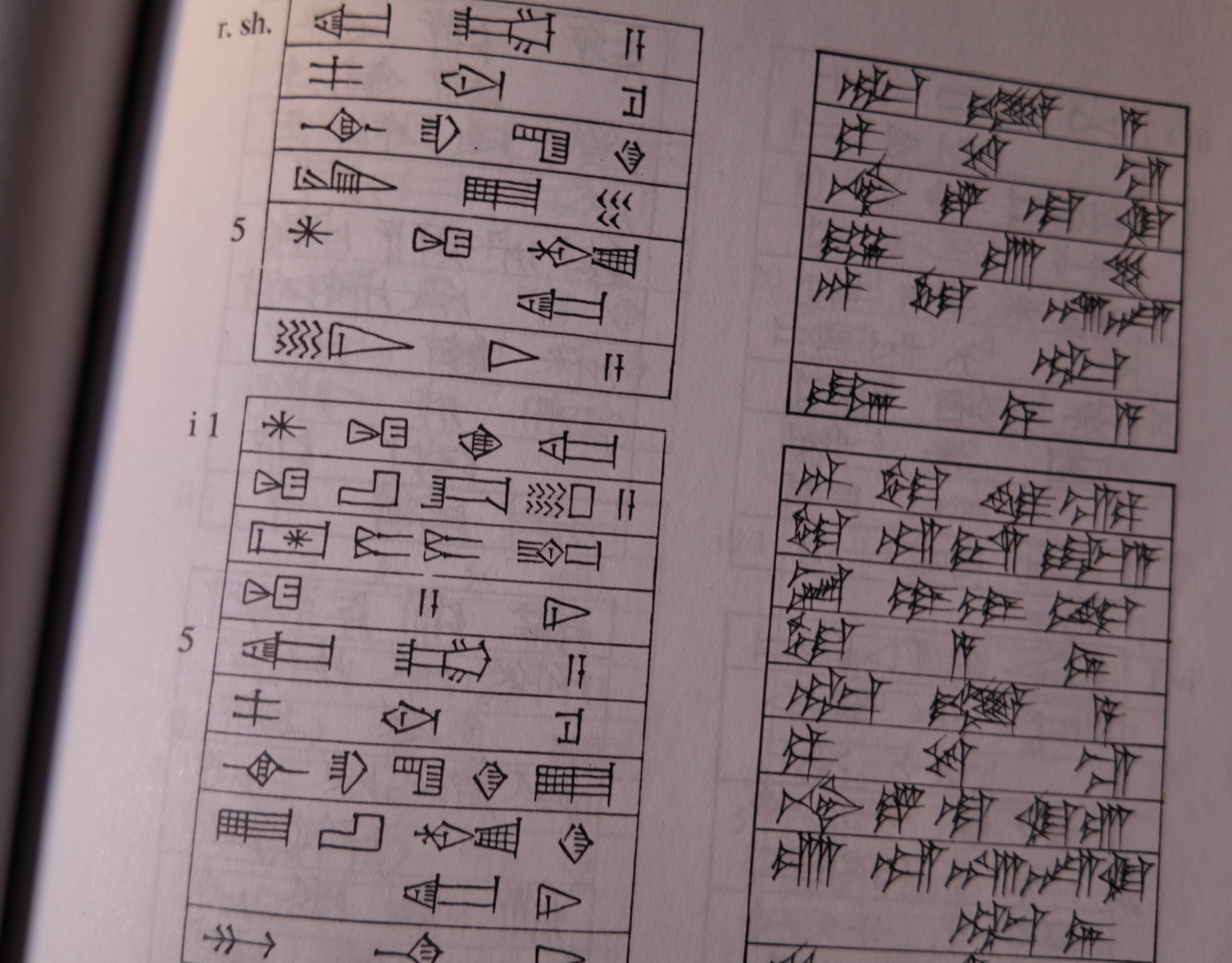
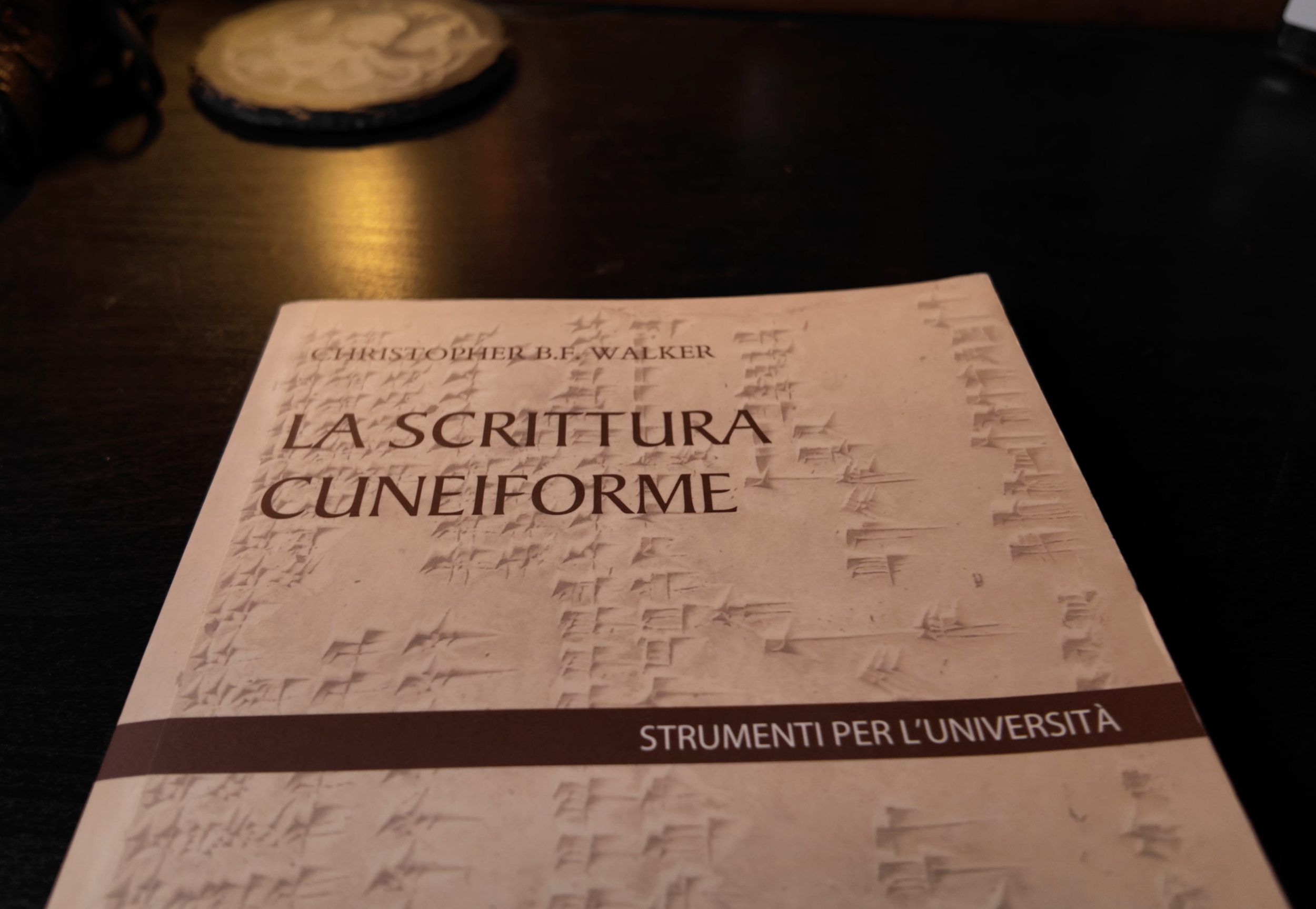
On one hand, there was the study: texts, languages, historical research.
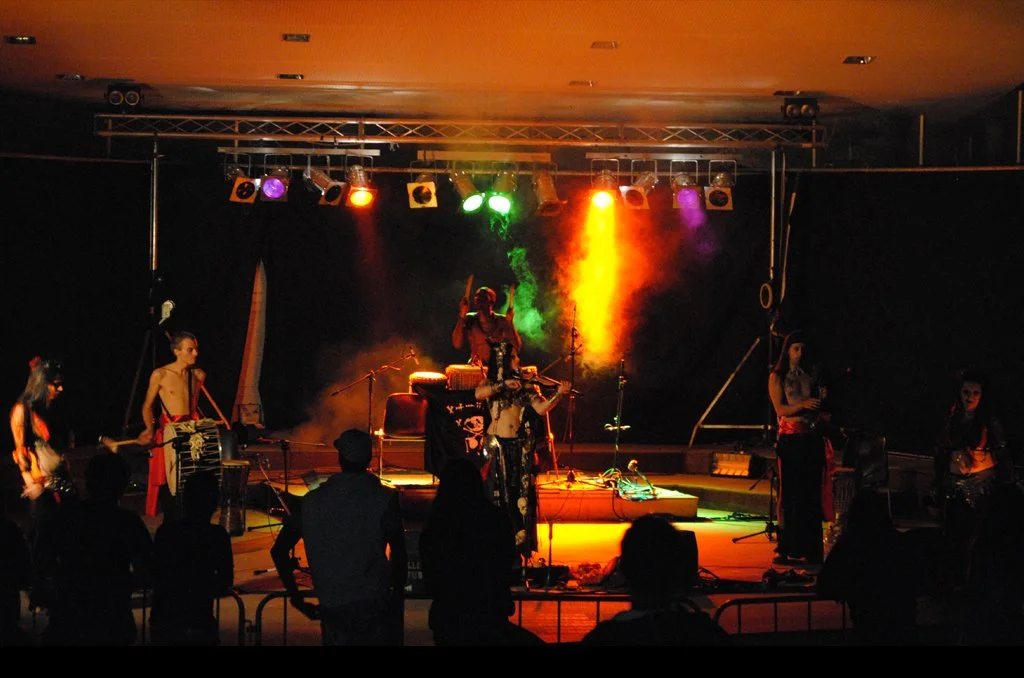
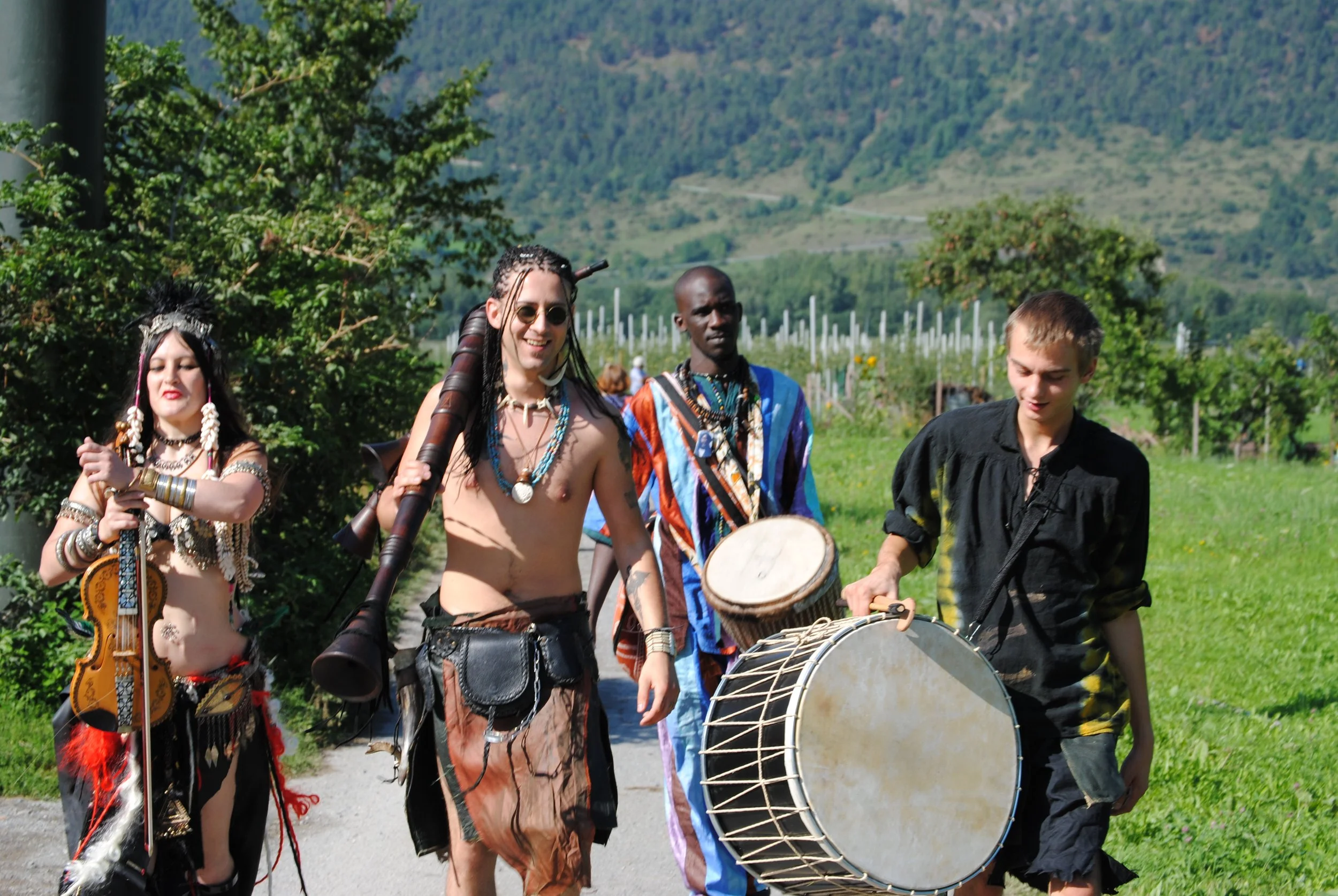
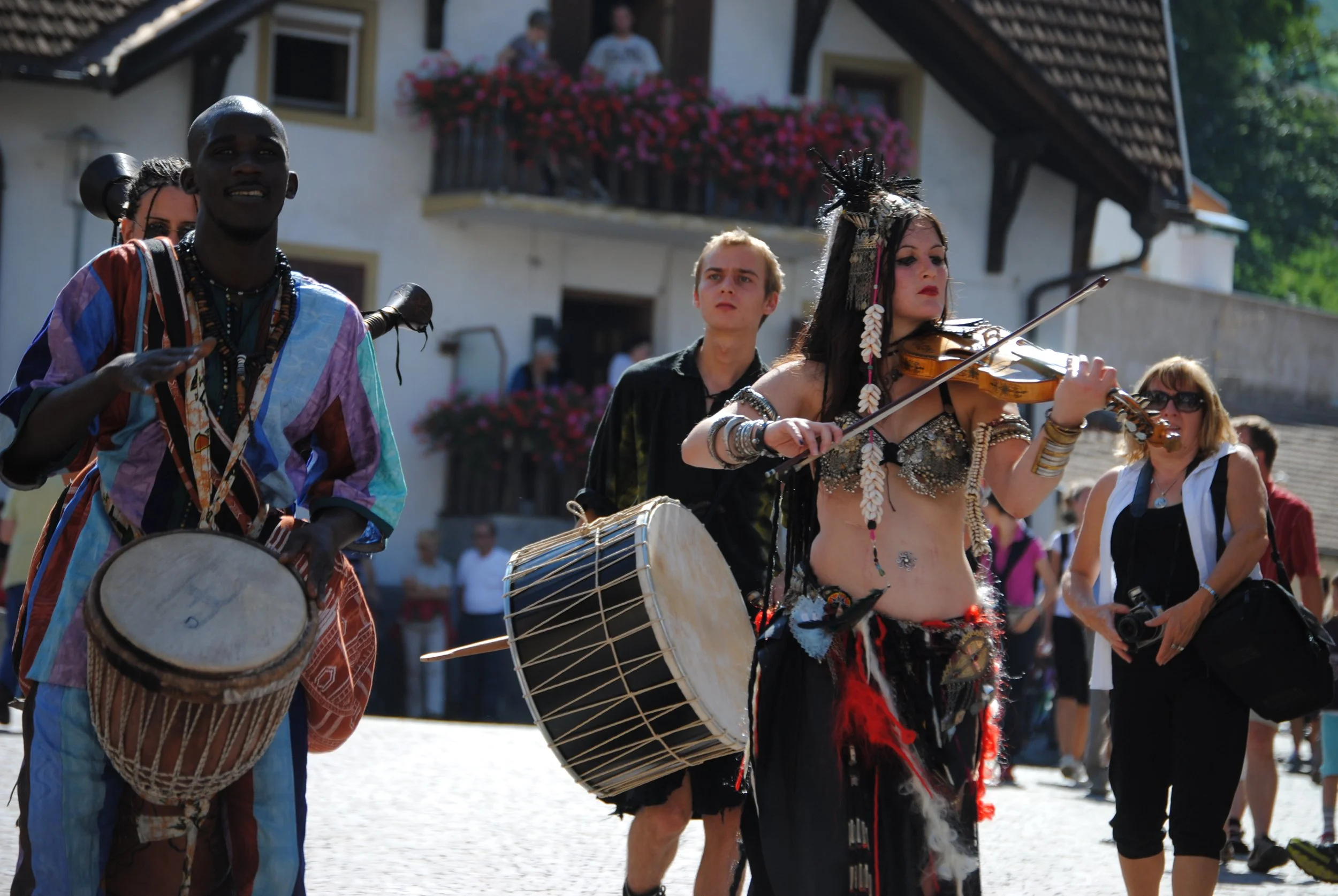
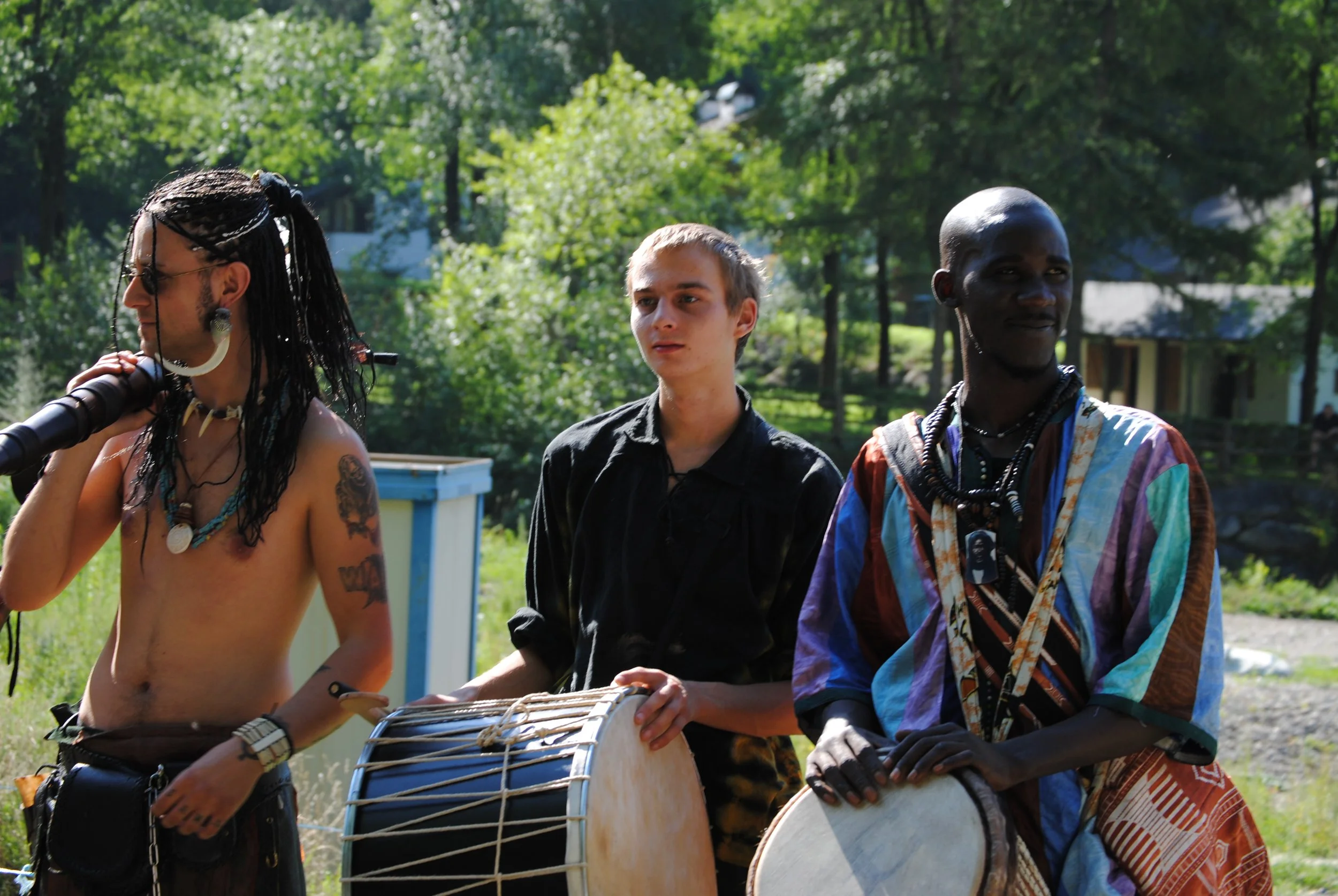
On the other, there were the contexts in which we played, often tied to the world of medieval fairs. This led us to include songs from that repertoire as well, reworked in our own way.
Over time, this dual nature made itself felt. It wasn’t a real problem, but something that makes you reflect on the direction you’re taking. In some contexts we felt perfectly at ease, in others a little less so.
Meanwhile, we continued to work on the instruments, the aesthetics, and the overall concept of the project.
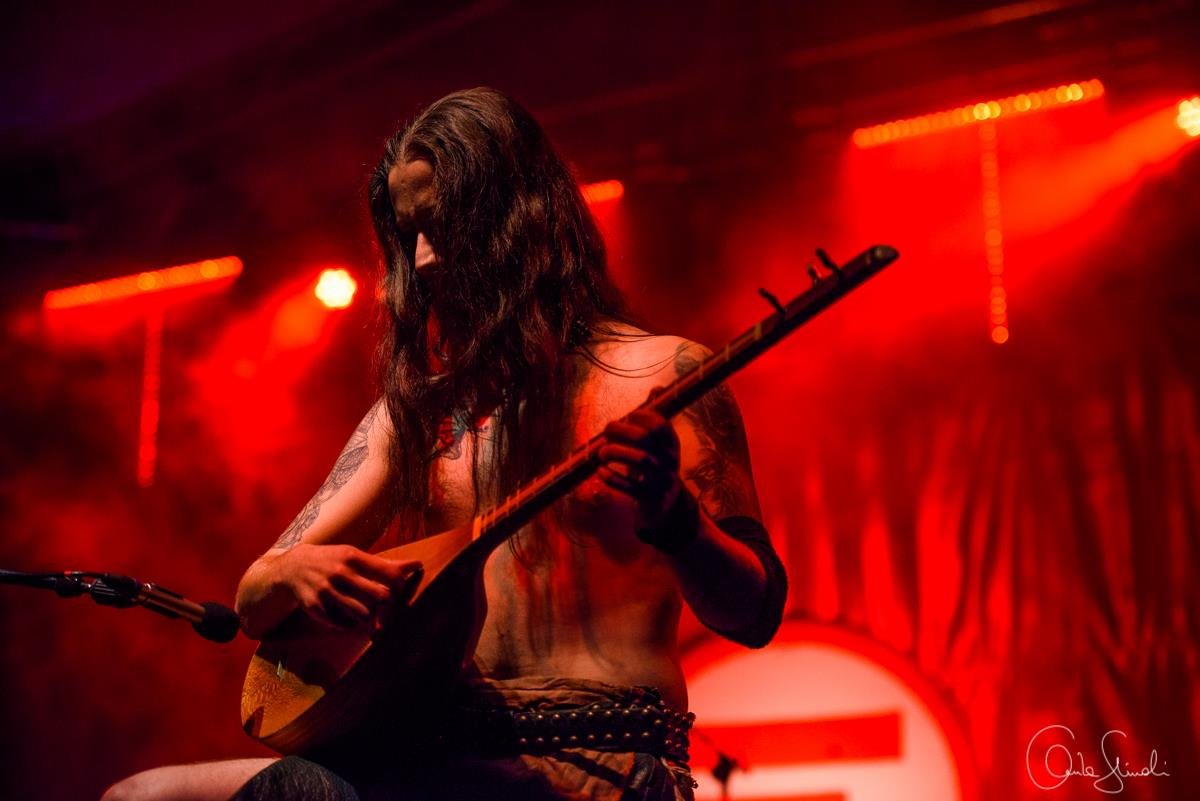
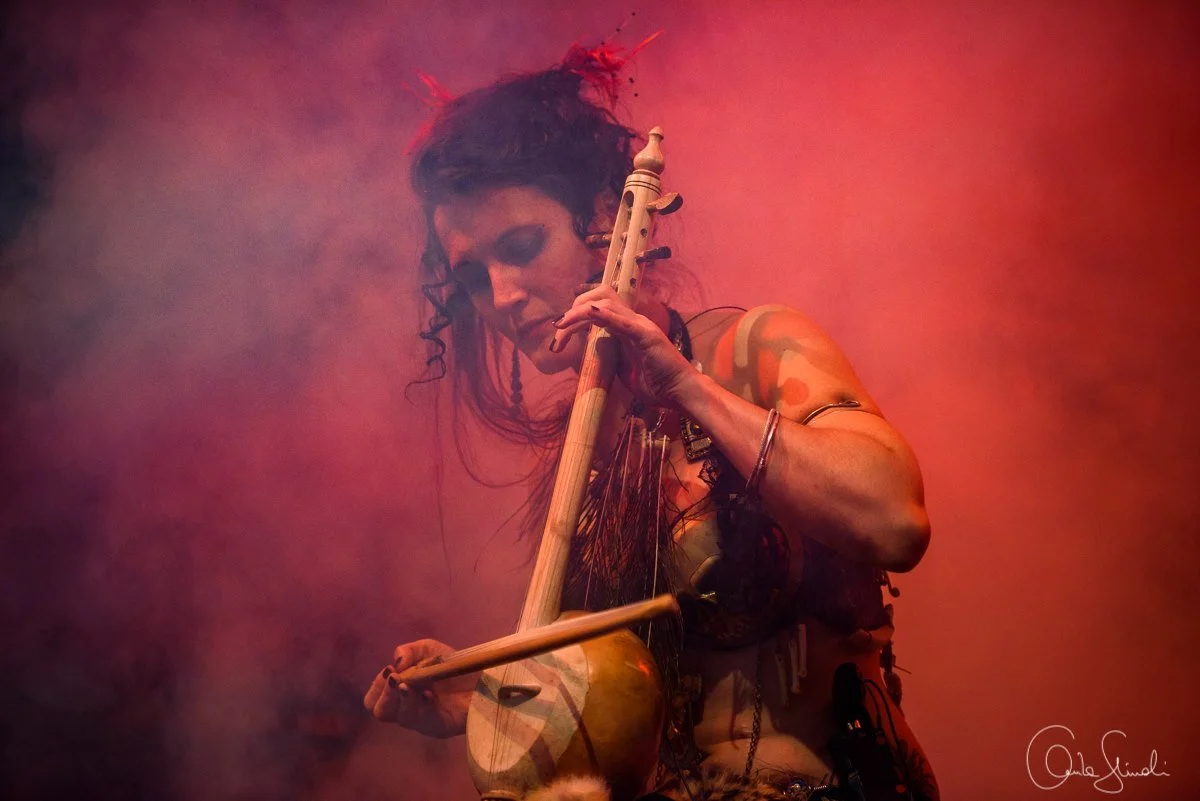
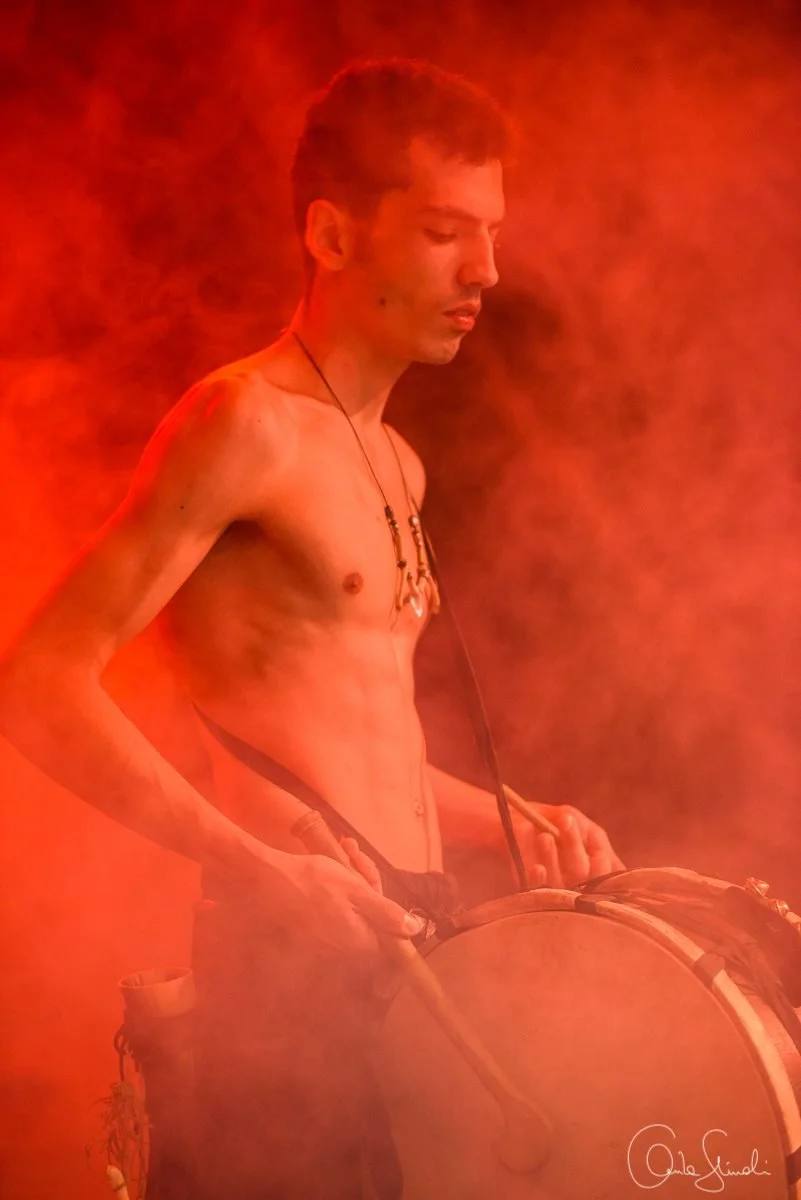
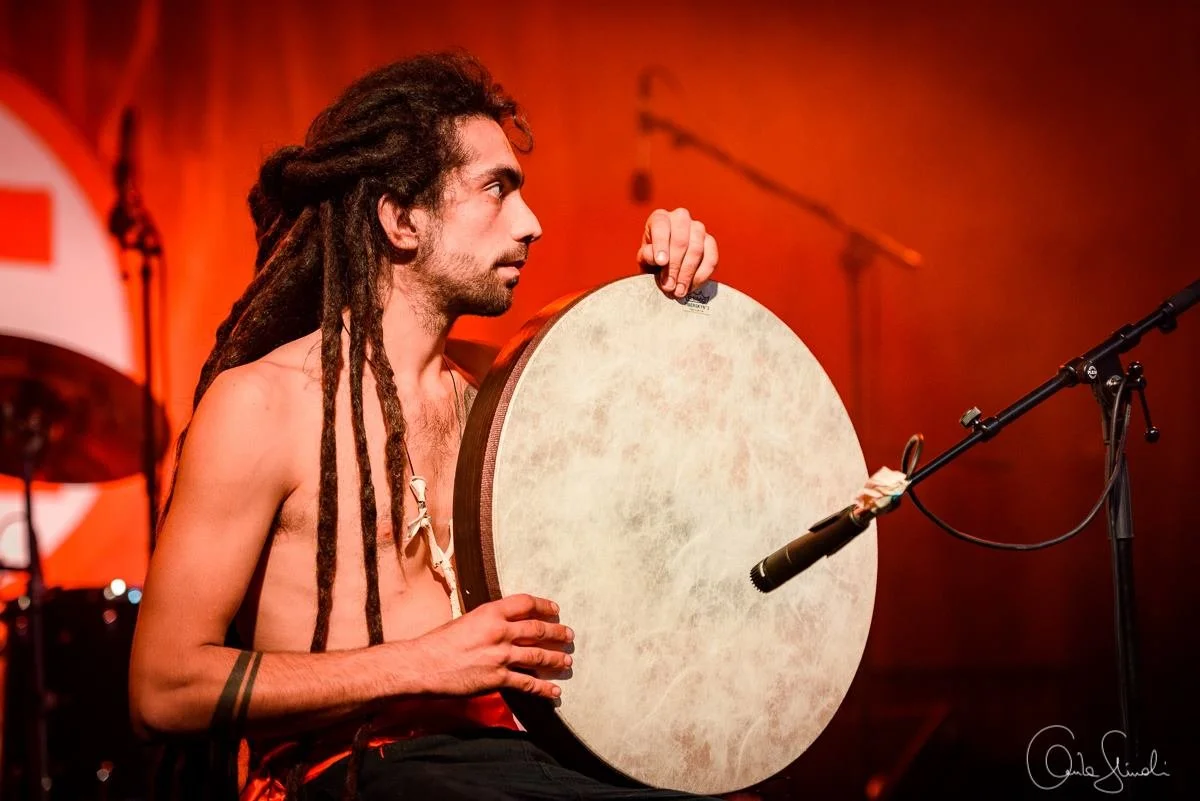
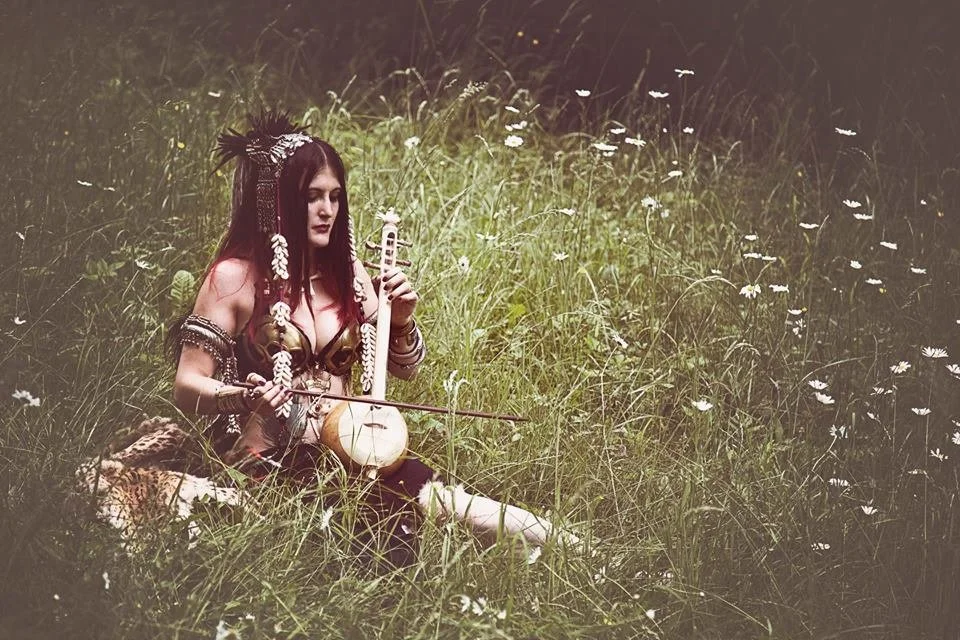
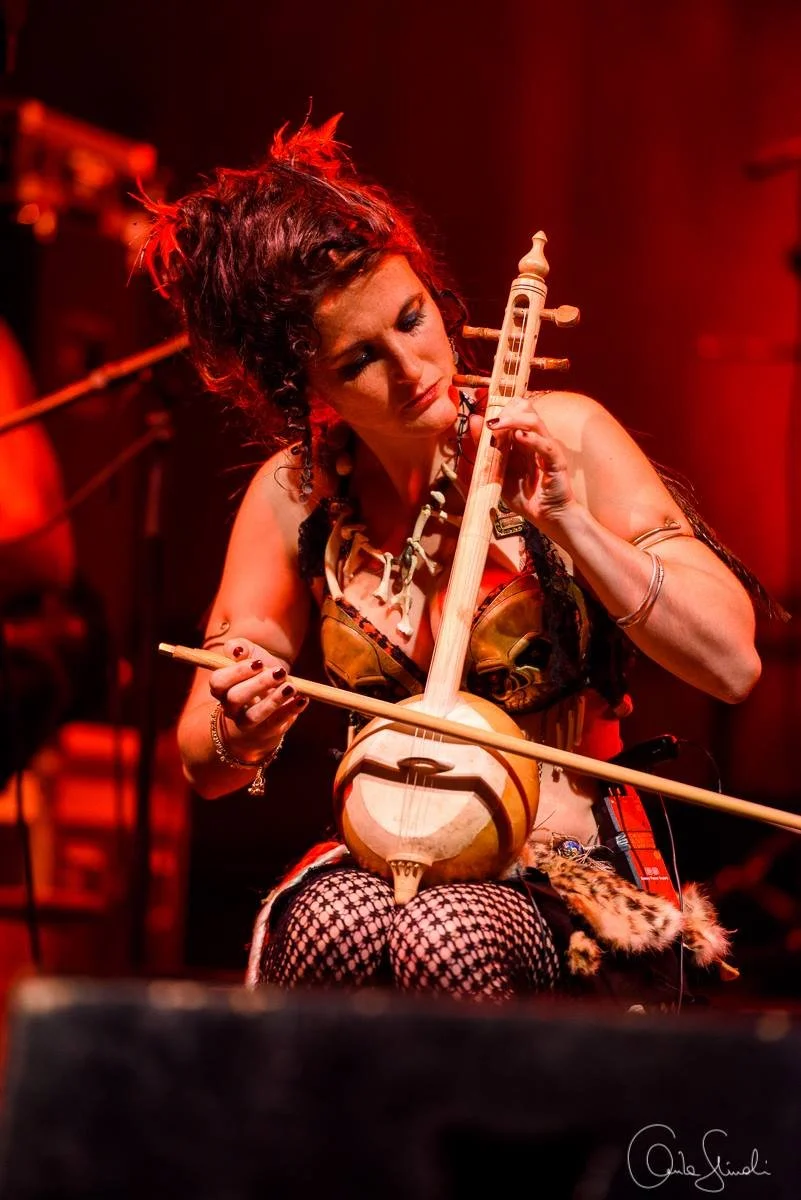
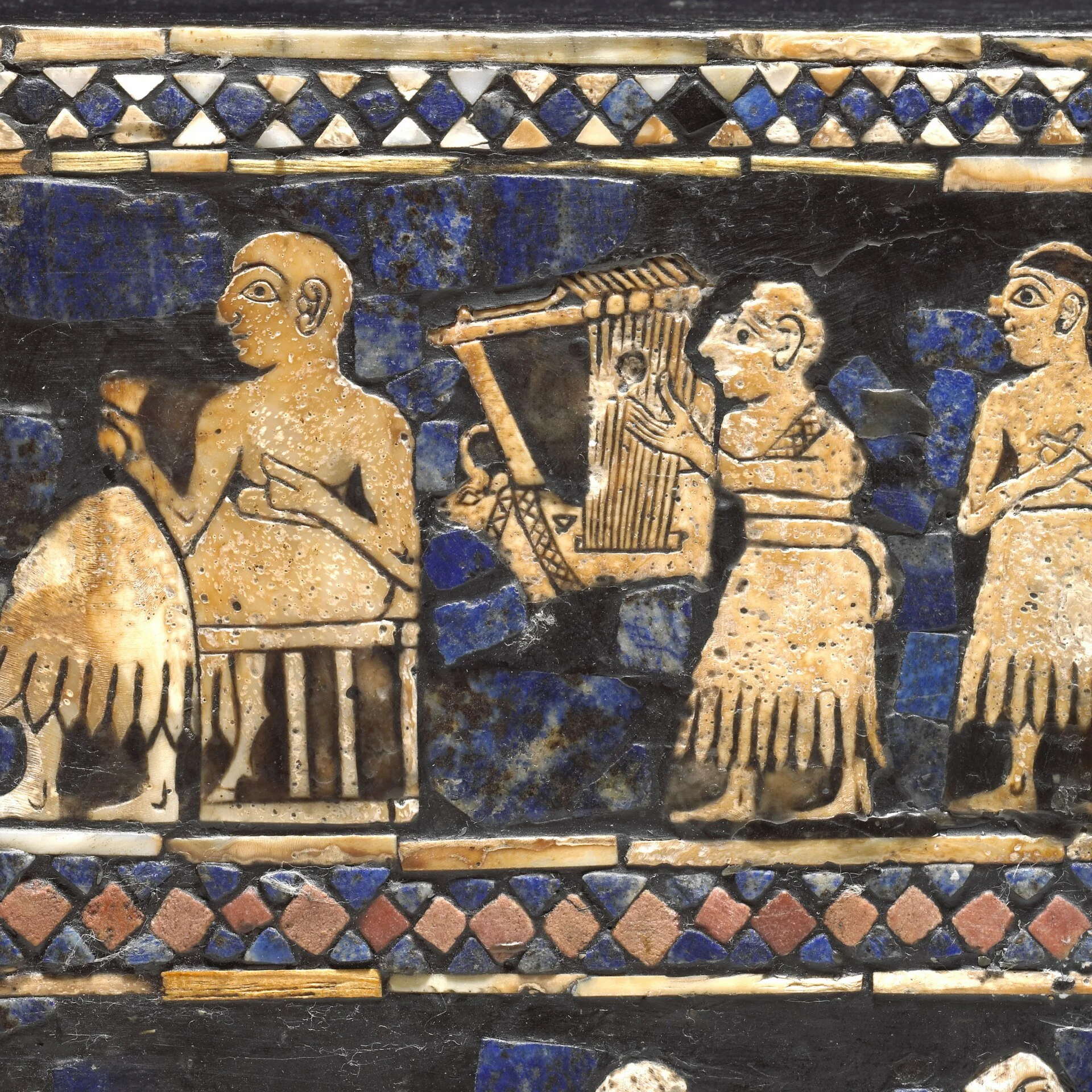
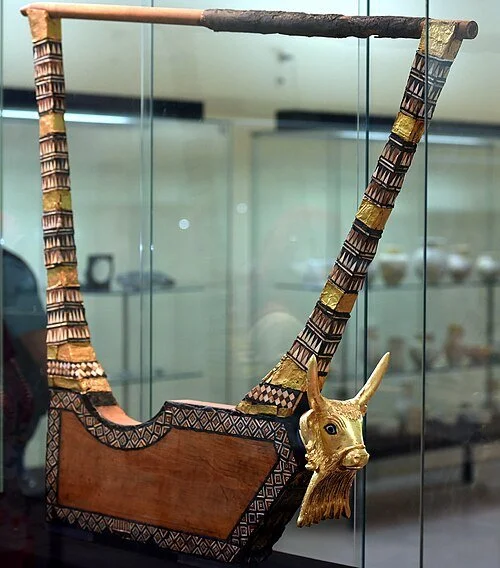
There was also a desire to push ourselves even further, for example by building replicas of the Ur lyres.
the less visible side
Carrying out a project like this required a lot of commitment.
It wasn’t just about playing. Every rehearsal required organization; every live show had its own complications. The instruments, the logistics, everyone’s personal commitments… everything contributed to making things more complex.
In the long run, this changes the way you experience music.
The moment when everything stops
There wasn’t a specific event that marked the end.
My move to Austria in 2017 certainly played a role. At the time, I wanted a change, to have new experiences. And, at a certain point, I realized I no longer had the energy to keep the band going as before.
It was a fairly natural transition, though not entirely easy.
what remains
When I look back on those years, I don’t think about the difficulties. I think about the moments we shared.
Those moments when a real connection was formed between people. When the audience started moving, dancing together, without distinction. And you could feel, in a very simple way, the power that music can have.
These are experiences that stay with you.
moving forward
Today, Clan of Sumeria officially ends here.
What I take with me, however, is the same approach: an interest in history, attention to detail, a desire to create something meaningful.
Only the way I do it has changed.
Today it’s through whisky, the medium I’ve chosen to tell stories and forge connections. After all, it’s not so different from what we did before.
A sincere thank you to everyone who has been part of this journey. To the old clan.
And of course to you, dear reader.
-
Ci ho messo un po’ a trovare il momento giusto per scrivere queste righe.
Non perché fosse una storia complicata, ma perché alcune cose hanno bisogno di sedimentare prima di riuscire a guardarle con chiarezza.I Clan of Sumeria, la mia vecchia band, sono stati una parte importante del mio percorso. Un progetto nato tanti anni fa, cresciuto in modo naturale e poi, con il tempo, semplicemente fermatosi.
Come è iniziato tutto
Alla base c’era una passione molto forte per la storia, in particolare per le civiltà mesopotamiche. Non era solo curiosità: era proprio il desiderio di entrare dentro quel mondo, capirlo e, in qualche modo, farlo rivivere.
L’idea era quella di portare sul palco testi antichi, soprattutto sumeri, accompagnati da strumenti ricostruiti e da sonorità prese da diverse tradizioni. Un progetto ambizioso, sicuramente, ma anche molto stimolante.
Erano gli anni dell’invasione dell’Iraq. Le immagini di musei saccheggiati e siti archeologici distrutti erano ovunque. In quel periodo mi è rimasta impressa una riflessione molto semplice: è curioso come, nel nome della civiltà, si finisca per distruggere proprio quella che viene considerata la sua origine, la sua culla.
Quella sensazione ha dato una spinta ulteriore al progetto. Non era più solo musica. C’era anche l’idea di preservare qualcosa, nel nostro piccolo.
Un percorso poco lineare
I Clan of Sumeria non sono mai stati un progetto facile da incasellare.
Da una parte c’era lo studio: testi, lingue, ricerca storica. Dall’altra c’erano i contesti in cui suonavamo, spesso legati al mondo delle fiere medievali. Questo ci ha portato a includere anche brani di quel repertorio, rielaborati a modo nostro.
Con il tempo, questa doppia anima si è fatta sentire. Non era un problema vero e proprio, ma qualcosa che ti fa riflettere sulla direzione che stai prendendo. In alcuni contesti ci sentivamo perfettamente a nostro agio, in altri un po’ meno.
Intanto continuavamo a lavorare sugli strumenti, sull’estetica e sull’idea generale del progetto. C’era anche il desiderio di spingerci ancora più avanti, ad esempio con la costruzione di repliche delle lire di Ur.
La parte meno visibile
Portare avanti un progetto del genere richiedeva parecchio impegno.
Non si trattava solo di suonare. Ogni prova richiedeva organizzazione, ogni live aveva le sue complicazioni. Gli strumenti, la logistica, gli impegni personali di ciascuno… tutto contribuiva a rendere le cose più complesse.
Alla lunga, questo cambia il modo in cui vivi la musica.
Il momento in cui tutto si ferma
Non c’è stato un evento preciso che ha segnato la fine.
Il mio trasferimento in Austria nel 2017 ha sicuramente avuto un peso. All’epoca avevo voglia di cambiare, di fare esperienze nuove. E, a un certo punto, ho capito che non avevo più l’energia per portare avanti la band come prima.
È stato un passaggio piuttosto naturale, anche se non del tutto leggero.
Quello che resta
Quando ripenso a quegli anni, non penso alle difficoltà.
Penso ai momenti vissuti insieme.A quei momenti in cui si creava davvero una connessione tra le persone.
Quando il pubblico iniziava a muoversi, a ballare insieme, senza distinzione.
E riuscivi a percepire, in modo molto semplice, la forza che la musica può avere.Sono esperienze che restano.
Andare avanti
Oggi i Clan of Sumeria si fermano ufficialmente qui.
Quello che mi porto dietro, però, è lo stesso approccio: interesse per la storia, attenzione ai dettagli, voglia di creare qualcosa che abbia un senso.
È solo cambiato il modo in cui lo faccio.
Oggi passa attraverso il whisky, lo strumento che ho scelto per raccontare storie e creare connessioni. In fondo, non è così distante da quello che facevamo prima.
Un grazie sincero a tutte le persone che hanno fatto parte di questo percorso.
Al vecchio clan.E naturalmente a te, caro lettore.
-
Ich habe eine Weile gebraucht, um den richtigen Moment zu finden, diese Zeilen zu schreiben. Nicht, weil es eine komplizierte Geschichte wäre, sondern weil manche Dinge erst einmal sacken müssen, bevor man sie klar betrachten kann.
Die Clan of Sumeria, meine alte Band, waren ein wichtiger Teil meines Weges. Ein Projekt, das vor vielen Jahren entstand, auf natürliche Weise wuchs und dann, mit der Zeit, einfach zum Stillstand kam.
Wie alles begann
Am Anfang stand eine sehr starke Leidenschaft für Geschichte, insbesondere für die mesopotamischen Zivilisationen. Es war nicht nur Neugier: Es war der Wunsch, in diese Welt einzutauchen, sie zu verstehen und sie irgendwie wieder zum Leben zu erwecken.
Die Idee war, alte Texte, vor allem sumerische, auf die Bühne zu bringen, begleitet von nachgebauten Instrumenten und Klängen aus verschiedenen Traditionen. Ein ehrgeiziges Projekt, sicherlich, aber auch sehr anregend.
Es waren die Jahre der Invasion des Irak. Die Bilder von geplünderten Museen und zerstörten archäologischen Stätten waren allgegenwärtig. In dieser Zeit blieb mir ein ganz einfacher Gedanke im Gedächtnis: Es ist merkwürdig, wie man im Namen der Zivilisation letztendlich genau das zerstört, was als ihr Ursprung, als ihre Wiege gilt.
Dieses Gefühl gab dem Projekt einen zusätzlichen Schub. Es ging nicht mehr nur um Musik. Es ging auch um die Idee, in unserem kleinen Rahmen etwas zu bewahren.
Ein wenig geradliniger Weg
Clan of Sumeria waren nie ein Projekt, das sich leicht in eine Schublade stecken ließ.
Auf der einen Seite stand das Studium: Texte, Sprachen, historische Recherche. Auf der anderen Seite standen die Kontexte, in denen wir auftraten, oft verbunden mit der Welt der Mittelaltermärkte. Das hat uns dazu gebracht, auch Stücke aus diesem Repertoire aufzunehmen, die wir auf unsere Weise überarbeitet haben.
Mit der Zeit machte sich diese doppelte Seele bemerkbar. Es war kein echtes Problem, aber etwas, das einen dazu bringt, über die Richtung nachzudenken, die man einschlägt. In manchen Kontexten fühlten wir uns vollkommen wohl, in anderen etwas weniger.
In der Zwischenzeit arbeiteten wir weiter an den Instrumenten, an der Ästhetik und an der allgemeinen Idee des Projekts. Es gab auch den Wunsch, noch einen Schritt weiter zu gehen, zum Beispiel mit dem Bau von Nachbildungen der Ur-Liren.
Der weniger sichtbare Teil
Ein solches Projekt voranzutreiben, erforderte viel Engagement.
Es ging nicht nur ums Spielen. Jede Probe erforderte Organisation, jeder Live-Auftritt hatte seine Komplikationen. Die Instrumente, die Logistik, die persönlichen Verpflichtungen jedes Einzelnen … all das trug dazu bei, die Dinge komplexer zu machen.
Auf Dauer verändert das die Art und Weise, wie man die Musik erlebt.
Der Moment, in dem alles stehen bleibt
Es gab kein bestimmtes Ereignis, das das Ende markierte.
Mein Umzug nach Österreich im Jahr 2017 hat sicherlich eine Rolle gespielt. Damals hatte ich Lust auf Veränderung, auf neue Erfahrungen. Und irgendwann wurde mir klar, dass ich nicht mehr die Energie hatte, die Band so weiterzuführen wie zuvor.
Es war ein ziemlich natürlicher Übergang, wenn auch nicht ganz leicht.
Was bleibt
Wenn ich an diese Jahre zurückdenke, denke ich nicht an die Schwierigkeiten. Ich denke an die gemeinsam erlebten Momente.
An jene Momente, in denen wirklich eine Verbindung zwischen den Menschen entstand. Wenn das Publikum anfing, sich zu bewegen, gemeinsam zu tanzen, ohne Unterschiede. Und man konnte ganz einfach die Kraft spüren, die Musik haben kann.
Das sind Erfahrungen, die bleiben.
Weitermachen
Heute hören Clan of Sumeria offiziell hier auf.
Was ich jedoch mitnehme, ist derselbe Ansatz: Interesse an der Geschichte, Liebe zum Detail, der Wunsch, etwas zu schaffen, das Sinn macht.
Nur die Art und Weise, wie ich das tue, hat sich geändert.
Heute geschieht dies durch den Whisky, das Mittel, das ich gewählt habe, um Geschichten zu erzählen und Verbindungen zu schaffen. Im Grunde genommen ist das gar nicht so weit entfernt von dem, was wir früher gemacht haben.
Ein herzliches Dankeschön an alle, die Teil dieser Reise waren. An den alten Clan.
Und natürlich an dich, lieber Leser.