

the sicilian way of distillation
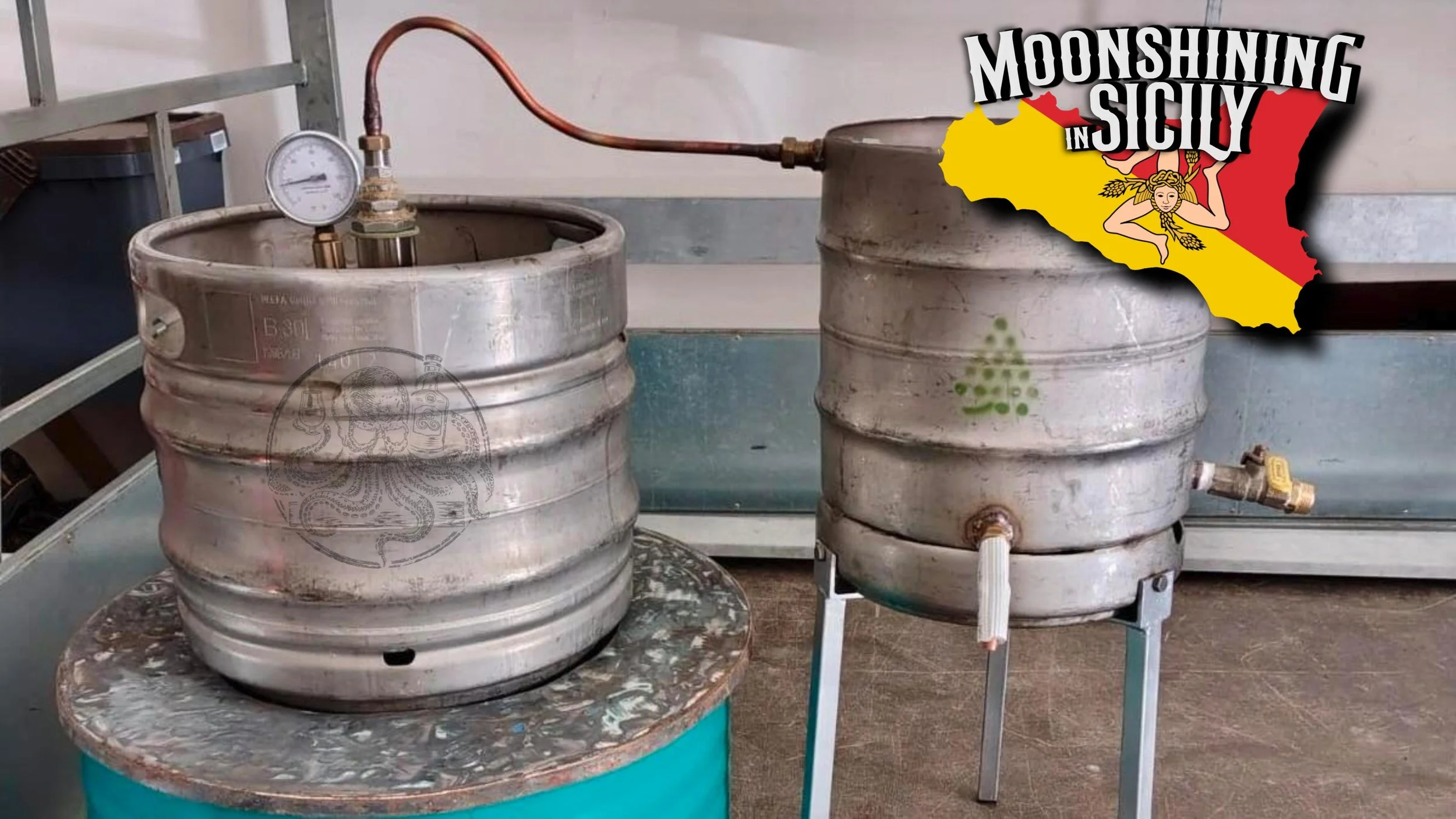
When you think of moonshine, your mind immediately goes to the Appalachians, Kentucky, and the bootleggers of the Prohibition era.
But Sicily also has a long tradition when it comes to “creative” distillation.
And since traditions must be respected, I decided to ask for help from a true expert.
My uncle Gaetano.
After a brief historical introduction and an important clarification that the video is for purely educational purposes, it’s time to introduce the star of the day: a handcrafted still made from old beer kegs, copper pipes, and a healthy dose of Sicilian ingenuity.
At first glance, it might look like something thrown together during a particularly creative afternoon.
Depending on your point of view, that’s probably exactly what happened.
But it works, and that’s what matters.
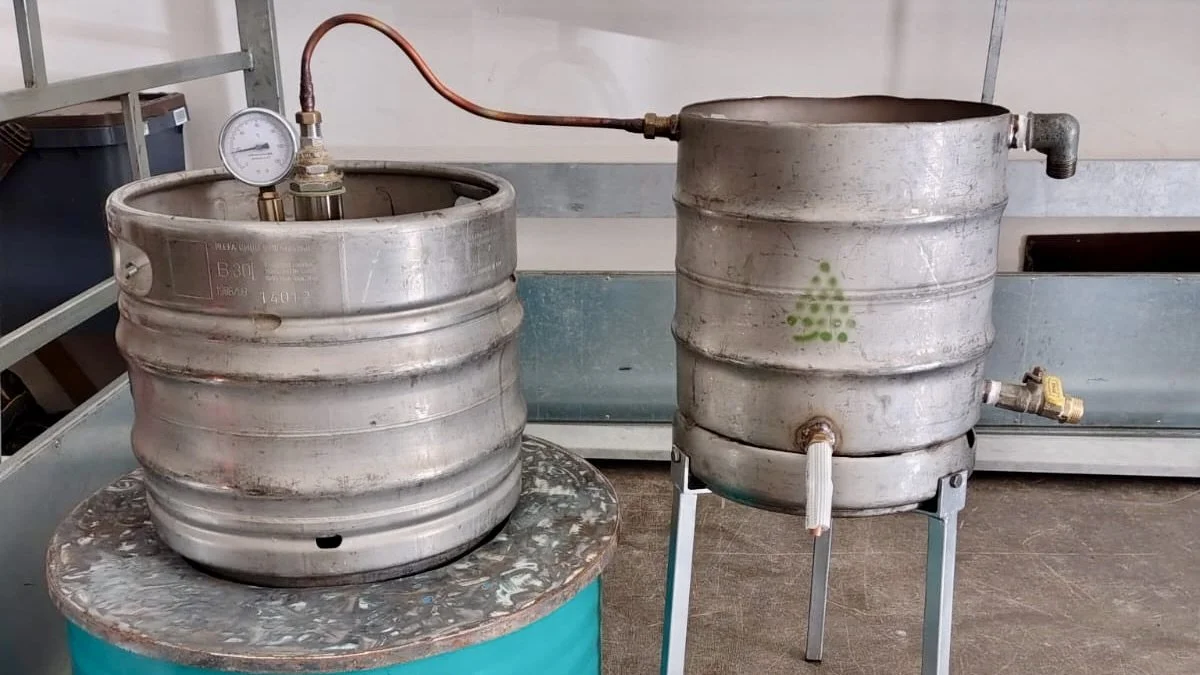
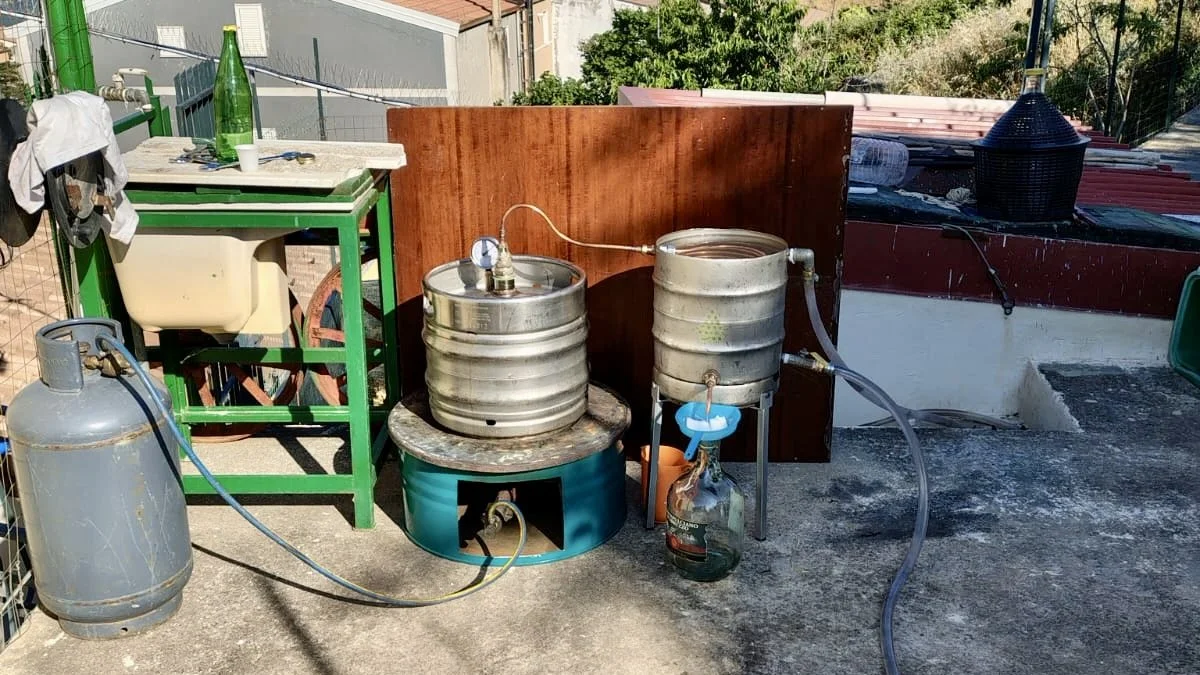
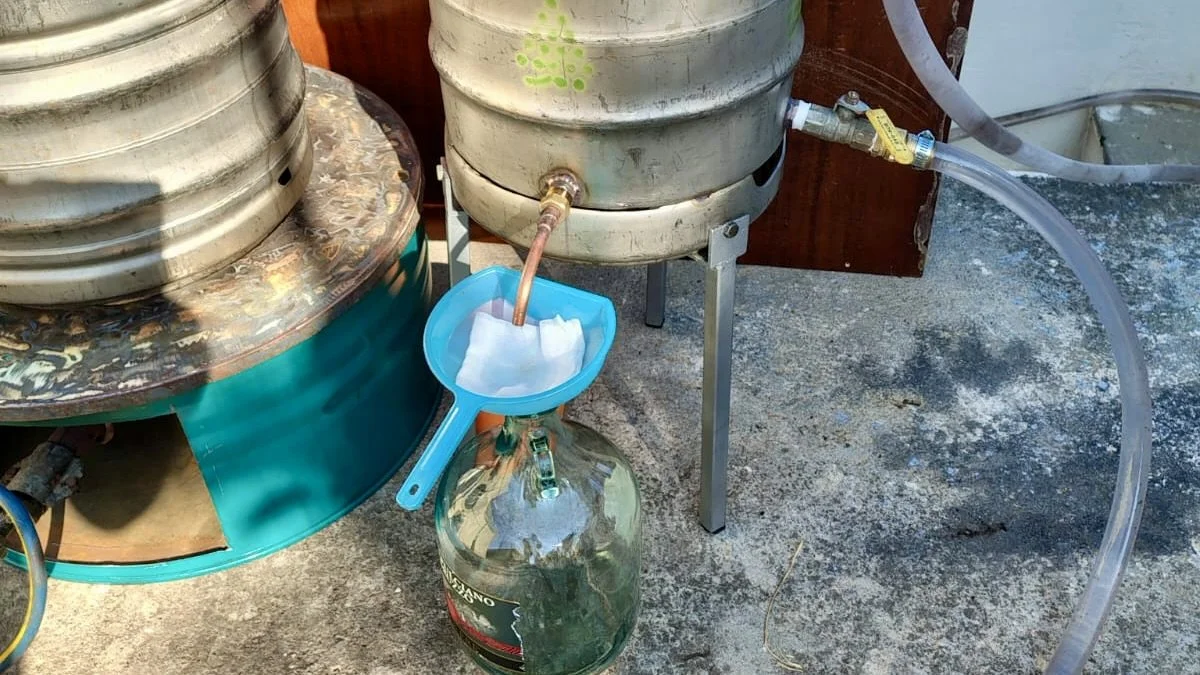
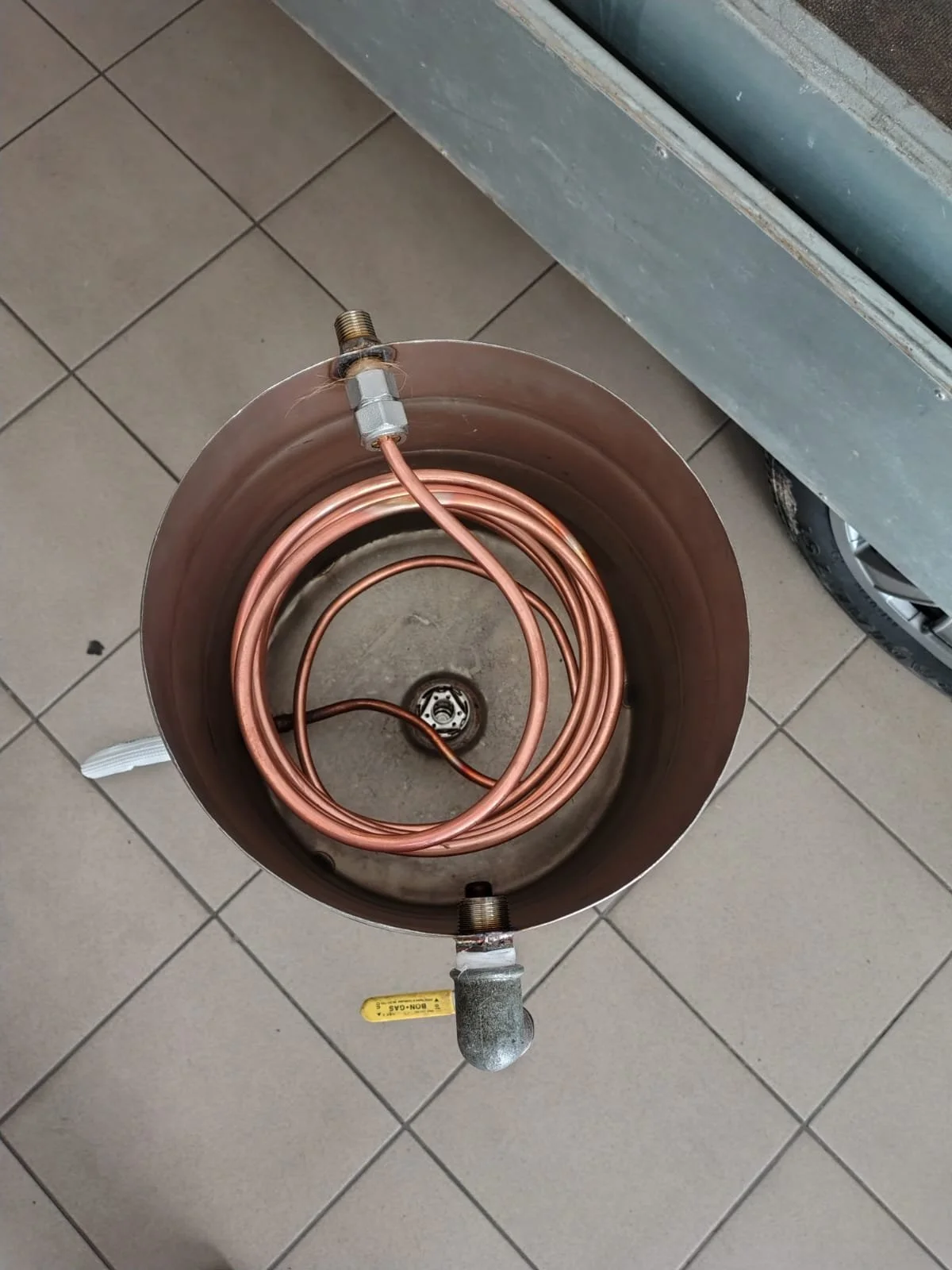
In the video, my uncle explains every component of the setup: the boiling vessel, the cooling system, the coil, and the path the steam takes until it finally condenses.
Of course, every explanation is delivered with the typical confidence with which a Sicilian describes anything - whether it’s an engine, a recipe, or a still.
The process, after all, is quite simple. You heat the liquid, collect the steam, cool it, and obtain the distillate.
Explained like that, it almost seems easy.
Building the still, however, is another story.
One of the most interesting parts concerns the water-cooling system, which is essential for transforming the vapor back into liquid. It is here that one realizes how even a seemingly rudimentary design conceals a certain logic. In Sicily, especially during the summer, water is not wasted. That is why it is collected in traditional rainwater cisterns.
At the end of the demonstration, it’s time for a tasting and presentation of the final product, including a curious experiment with licorice root.
What did we learn from this experience?
First of all, that Sicily and moonshining have more in common than you might imagine, even if grappa is the dominant spirit.
And second, that my uncle Gaetano is living proof that in Sicily, there’s a homemade solution for every problem. Even the ones you didn’t know you had.
Alla salute!


-
Quando si pensa al moonshine, la mente corre subito agli Appalachi, al Kentucky e ai contrabbandieri del periodo del proibizionismo.
Ma anche la Sicilia ha una lunga tradizione quando si parla di distillazione “creativa”.
E siccome le tradizioni vanno rispettate, ho deciso di chiedere il supporto di un vero esperto.
Mio zio Gaetano.
Dopo una breve introduzione storica e un'importante precisazione sul fatto che il video è a scopo puramente didattico, è arrivato il momento di presentare il protagonista della giornata: un alambicco costruito artigianalmente utilizzando vecchi fusti di birra, tubi in rame e una discreta dose di ingegno siciliano.
A prima vista può sembrare qualcosa assemblato in un pomeriggio particolarmente creativo.
A seconda dei punti di vista, probabilmente è esattamente quello che è successo.
Però funziona, ed è questo che conta.
Nel video, mio zio illustra ogni componente dell'impianto: il recipiente di bollitura, il sistema di raffreddamento, la serpentina e il percorso seguito dal vapore fino alla condensazione finale.
Naturalmente ogni spiegazione è accompagnata dalla tipica sicurezza con cui un siciliano descrive qualsiasi cosa, indipendentemente dal fatto che si tratti di un motore, di una ricetta o di un alambicco.
Il procedimento, in fondo, è piuttosto semplice. Si riscalda il liquido, si raccoglie il vapore, lo si raffredda e si ottiene il distillato.
Spiegato così sembra quasi facile.
Costruire l'alambicco, invece, è un'altra storia.
Una delle parti più interessanti riguarda il sistema di raffreddamento ad acqua, fondamentale per trasformare il vapore nuovamente in liquido. È qui che si capisce come anche un progetto apparentemente rudimentale nasconda una certa logica. In Sicilia, soprattutto durante l'estate, l'acqua non si spreca. Per questo viene raccolta nelle tradizionali cisterne alimentate dalla pioggia.
Alla fine della dimostrazione arriva anche il momento dell'assaggio e della presentazione del prodotto finale, incluso un curioso esperimento con la radice di liquirizia.
Che cosa abbiamo imparato da questa esperienza?
Prima di tutto che la Sicilia e il moonshining hanno più cose in comune di quanto si possa immaginare, anche se lo spirito dominante è la grappa.
E poi, che mio zio Gaetano è la prova vivente che in Sicilia esiste una soluzione artigianale per qualsiasi problema, anche per quelli che non sapevi di avere.
Alla salute!
-
Die Destillation nach sizilianischer Art
Wenn man an Moonshine denkt, schweifen die Gedanken sofort zu den Appalachen, nach Kentucky und zu den Schwarzbrennern aus der Zeit der Prohibition.
Aber auch Sizilien hat eine lange Tradition, wenn es um „kreative“ Destillation geht.
Und da Traditionen respektiert werden müssen, habe ich beschlossen, die Unterstützung eines echten Experten in Anspruch zu nehmen.
Meinen Onkel Gaetano.
Nach einer kurzen historischen Einführung und einer wichtigen Klarstellung, dass das Video rein zu Lehrzwecken dient, ist es an der Zeit, den Protagonisten des Tages vorzustellen: eine handgefertigte Destillieranlage aus alten Bierfässern, Kupferrohren und einer ordentlichen Portion sizilianischem Einfallsreichtum.
Auf den ersten Blick mag es so aussehen, als wäre das Ganze an einem besonders kreativen Nachmittag zusammengebastelt worden.
Je nach Sichtweise ist das wahrscheinlich genau das, was passiert ist.
Aber es funktioniert, und darauf kommt es an.
Im Video erläutert mein Onkel jede Komponente der Anlage: den Kochkessel, das Kühlsystem, die Kühlschlange und den Weg, den der Dampf bis zur endgültigen Kondensation zurücklegt.
Natürlich wird jede Erklärung von der typischen Selbstsicherheit begleitet, mit der ein Sizilianer alles beschreibt, ganz gleich, ob es sich um einen Motor, ein Rezept oder eine Destillierblase handelt.
Das Verfahren ist im Grunde genommen recht einfach. Man erhitzt die Flüssigkeit, fängt den Dampf auf, kühlt ihn ab und erhält so das Destillat.
So erklärt klingt es fast einfach.
Die Herstellung der Destillierblase ist hingegen eine ganz andere Geschichte.
Einer der interessantesten Aspekte betrifft das Wasserkühlsystem, das entscheidend dafür ist, den Dampf wieder in Flüssigkeit umzuwandeln. Hier wird deutlich, wie auch ein scheinbar rudimentäres Projekt eine gewisse Logik verbirgt. In Sizilien wird, vor allem im Sommer, kein Wasser verschwendet. Deshalb wird es in den traditionellen, durch Regenwasser gespeisten Zisternen gesammelt.
Am Ende der Vorführung ist es dann Zeit für die Verkostung und die Präsentation des Endprodukts, einschließlich eines kuriosen Experiments mit der Süßholzwurzel.
Was haben wir aus dieser Erfahrung gelernt?
Zunächst einmal, dass Sizilien und das Schwarzbrennen mehr gemeinsam haben, als man sich vorstellen kann, auch wenn der Grappa hier die vorherrschende Spirituose ist.
Und dann, dass mein Onkel Gaetano der lebende Beweis dafür ist, dass es in Sizilien für jedes Problem eine handwerkliche Lösung gibt, selbst für solche, von denen man gar nicht wusste, dass man sie hat.
Prost!