
A GUIDE TO WHISKY
Whisky is one of those drinks that everyone has heard of... but few truly understand.
Some people imagine it as strong, hard to drink, or even inaccessible. And then there are those who, after their first proper taste, discover a whole universe of honey, dried fruit, spices, chocolate... and even smoke.
So... what is whisky, really?
How is it made? And above all, what do all those complex terms on the labels mean?
Today, we’re starting from scratch. If you’ve never understood how whisky works, or if you simply want to clear things up a bit, pour yourself a nice drop and let’s get started.
chapter 1 - what is whisky, really?
Let’s get straight to the heart of the matter.
First of all, whisky is a grain spirit.
The word “distillate” might sound complicated, but the concept is actually quite simple.
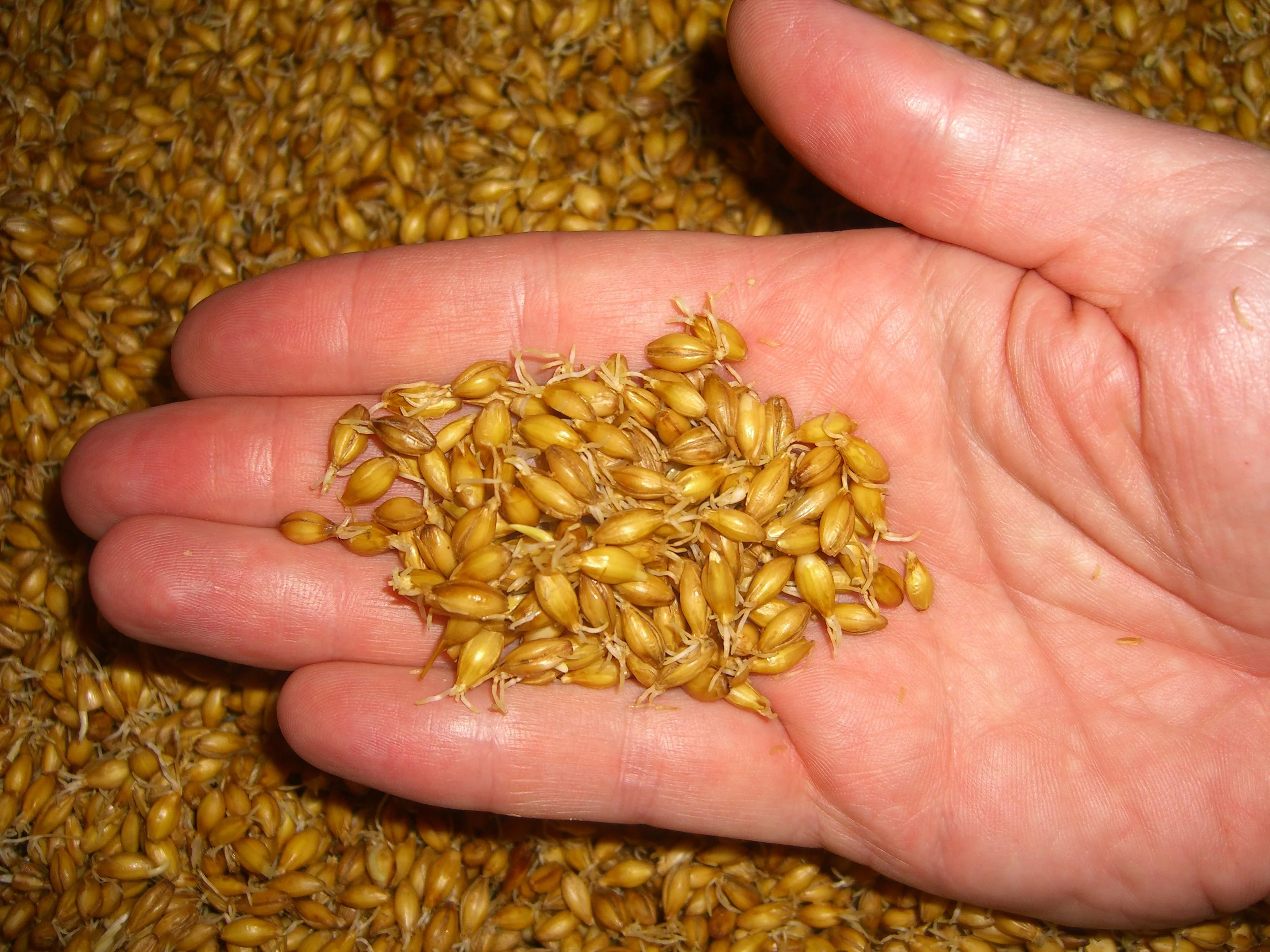
Malted Barley
It all starts with three basic ingredients: water, grains, and yeast.
Malted grains are ground and mixed with hot water. During this stage, the enzymes in the malt convert the starches into fermentable sugars. Yeast is then added, which converts these sugars into alcohol.
The result is a sort of unhopped beer with a relatively low alcohol content.
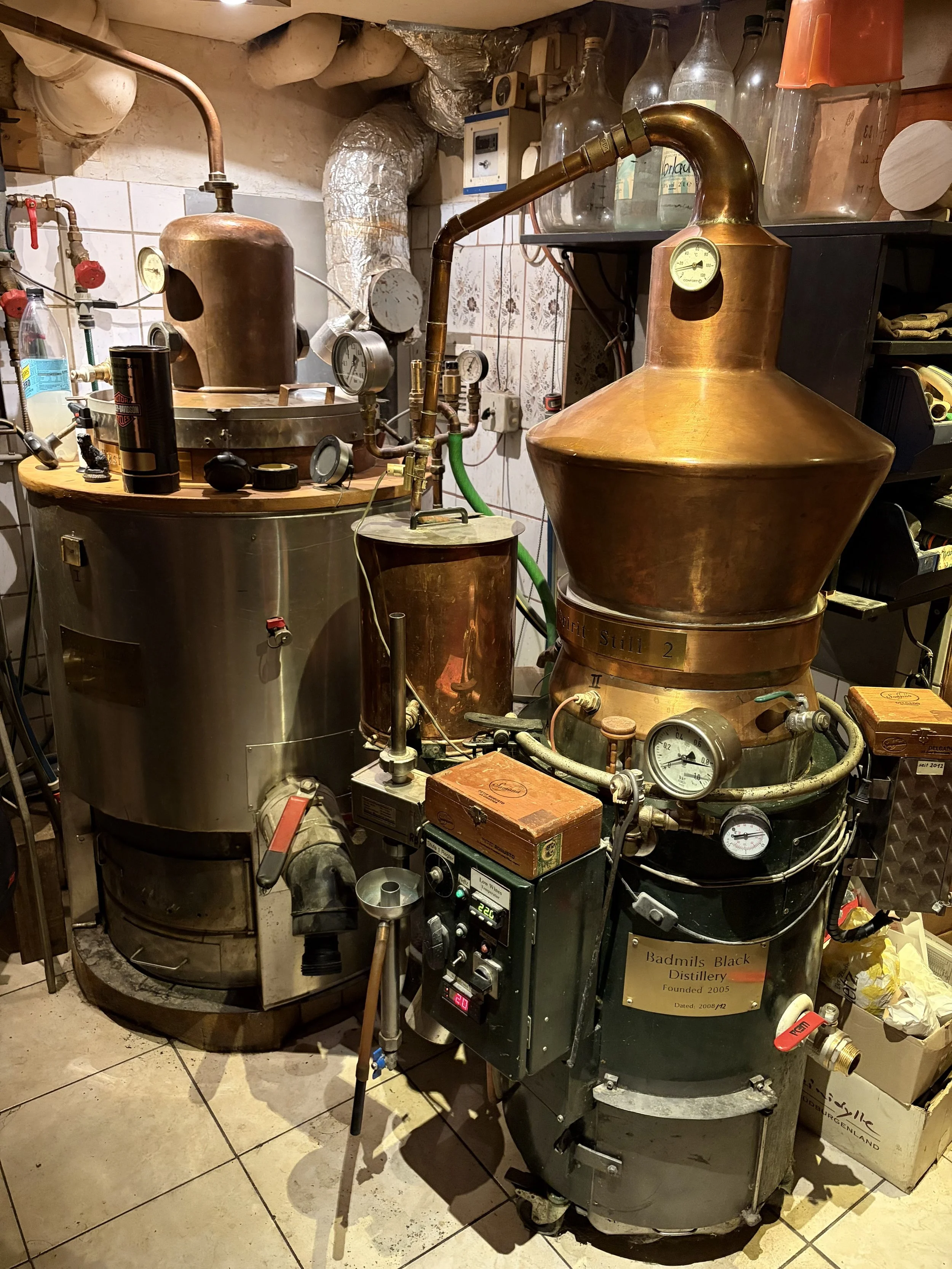
Wash & Spirit Still by Badmils Black Distillery
This liquid is then distilled in stills, (traditionally made of copper) which allow the alcohol to be concentrated and the aromas destined for the final product to be selected.
At this point, however, we still can’t call it whisky.
The real star of the show enters the scene now: the cask.
The distillate is transferred to wooden barrels, where it will remain for years.
In many producing countries, the law establishes a minimum aging period. In Scotland, for example, a whisky must age for at least three years in oak casks.
During this period, the wood slowly imparts color and aromas to the distillate, transforming a completely clear liquid into the characteristic amber color we all associate with whisky.
And that is precisely why maturation is one of the most important stages of the entire process. Without time and without the cask, whiskey as we know it simply would not exist.
Of course, this is just the beginning. Every distillery interprets this process differently… but we’ll come back to that in a moment.
chapter 2 - whisky or whiskey?
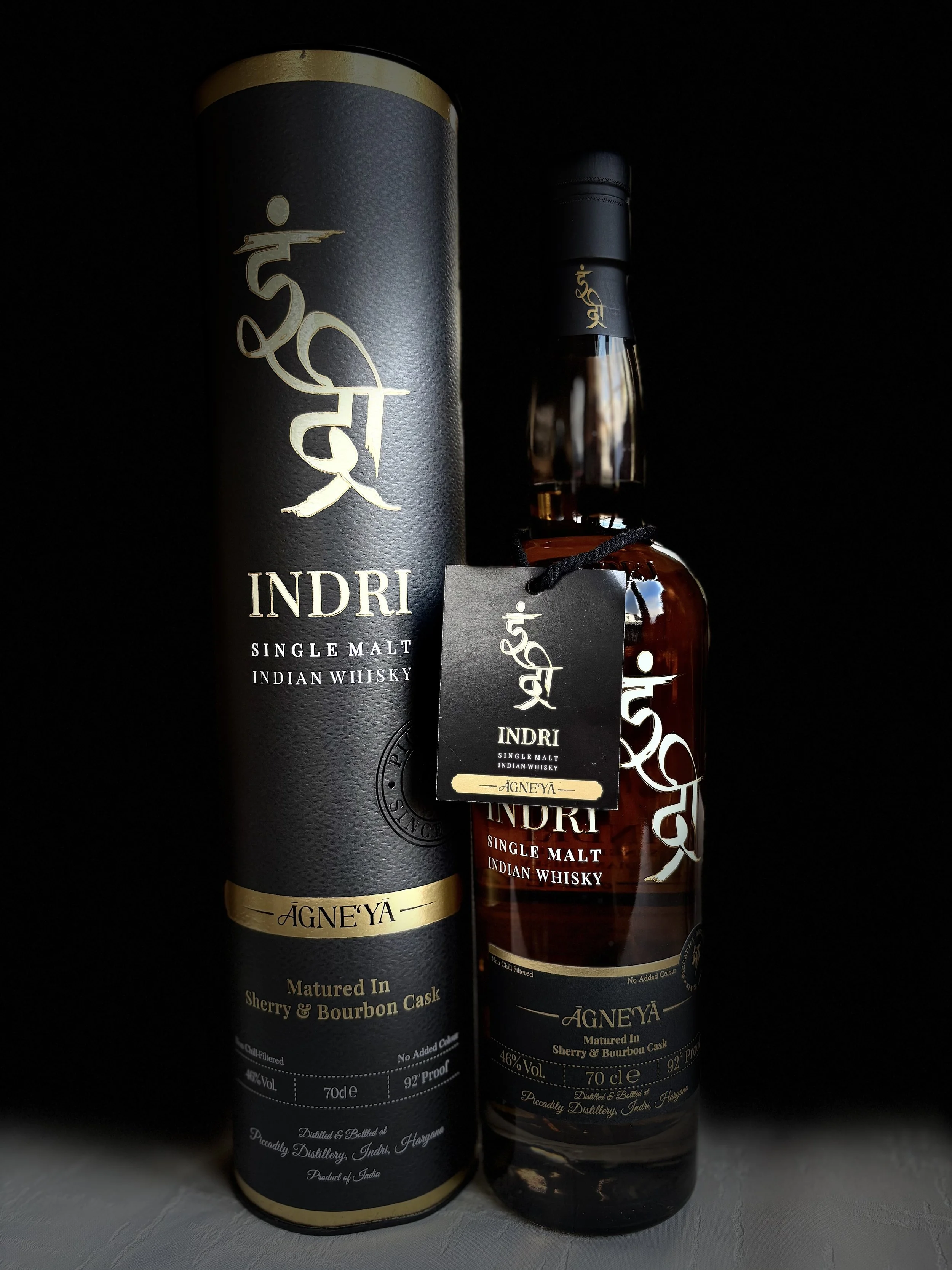
INDRI - Single Malt Indian Whisky
Before we continue, let’s answer a question that almost everyone asks when they first explore this world.
Is it spelled “Whisky” or “Whiskey”?
The answer is simple: both spellings are correct.
In Scotland, Canada, Japan, India, and most producing countries, you’ll almost always see “Whisky,” without the “e”.
In Ireland and the United States, however, it’s traditional to use “Whiskey.”
This difference stems from historical and cultural reasons and has nothing to do with the quality of the product.
In fact, the spelling “Whiskey” was adopted in Ireland partly to distinguish its own spirit from the Scottish one, and this tradition later spread to the United States thanks to Irish immigrants.
In other words, that extra “e” tells a piece of history… it doesn’t make the whiskey any better or worse.
chapter 3 - whisky around the world
Another thing you’ll discover very soon is that the country of origin helps define a whisky’s style.
It’s not just about the climate or the raw materials, but also the traditions, production techniques, and philosophy of each distillery.
In general, Scotland offers an incredible variety of styles: from the most delicate and floral whiskeys to intensely peated ones.
Ireland is known for whiskies that are often smooth and elegant, though there is no shortage of spirits with a bold character.
In the United States, Bourbon and Rye Whiskey dominate, deeply rooted in the country’s agricultural history and governed by very precise production rules.
Japan, on the other hand, has built an extraordinary reputation by focusing on balance and technical precision.
In recent years, countries such as India, Taiwan, France, and Sweden have also emerged, each with its own interpretation of whisky.

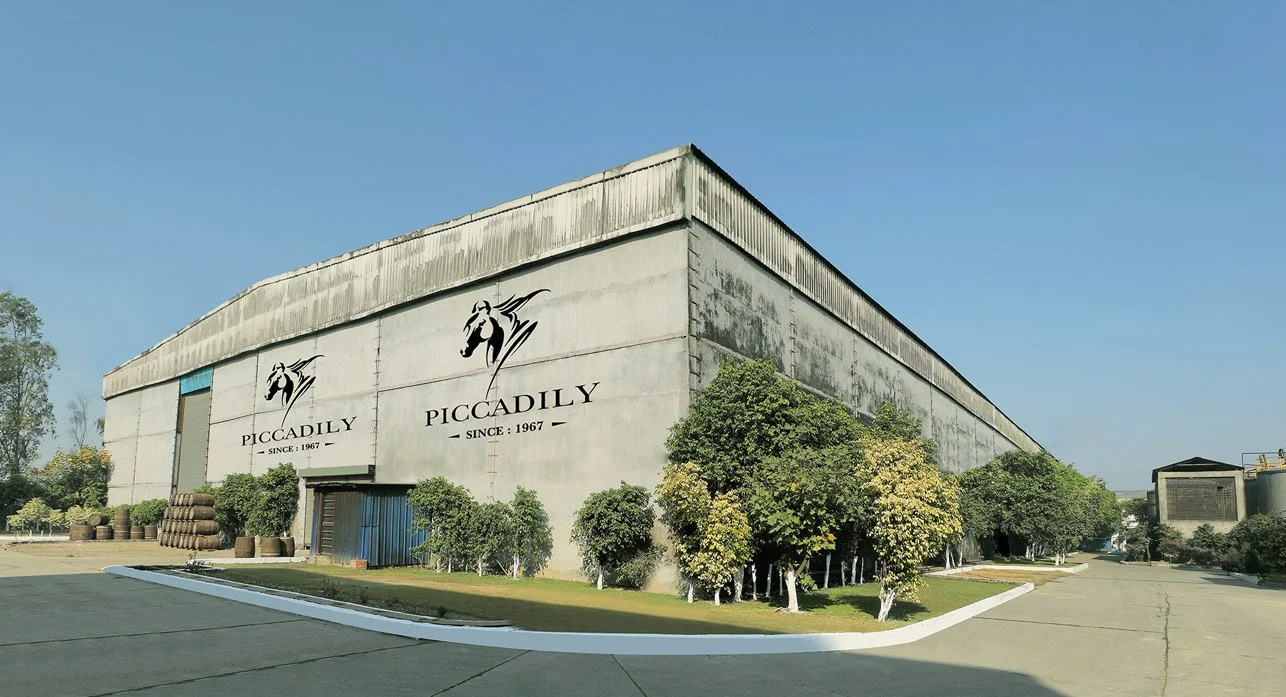
India, for example, benefits from a very hot climate that accelerates maturation, while Taiwan has demonstrated that even a recent tradition can achieve exceptional levels of quality.
It is precisely this diversity that makes whiskey so fascinating.
Every bottle tells the story of the place it comes from.
chapter 4 - how to read a label
And here we are at the part that probably causes the most confusion.
When you pick up a bottle of whisky, you’ll often see terms like “Single Malt,” “Blended Scotch Whisky,” or “Kentucky Straight Bourbon.”
At first glance, they all seem to mean the same thing. In reality, each term provides a different piece of information.
Some indicate how the whisky was produced. Others tell us where it was produced and what regulations it had to comply with.
Let’s start with the types.
single malt
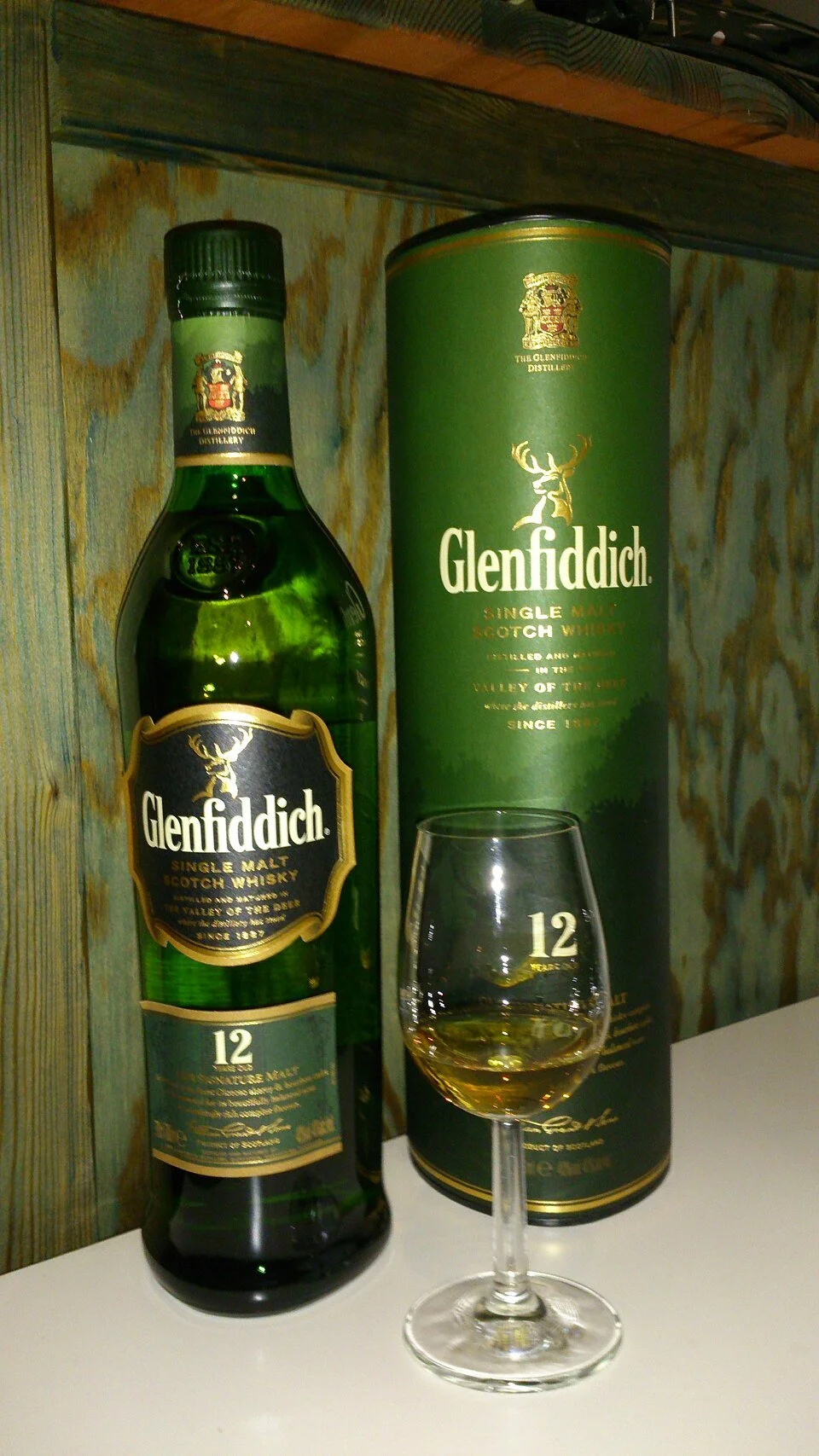
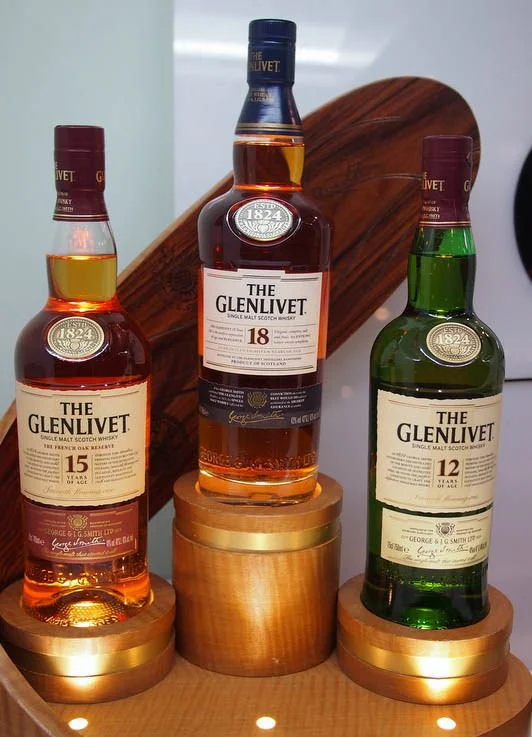
A Single Malt is a whisky made exclusively from malted barley and distilled at a single distillery. Contrary to what many people think, the word “Single” doesn’t mean it comes from a single cask, but from a single distillery.
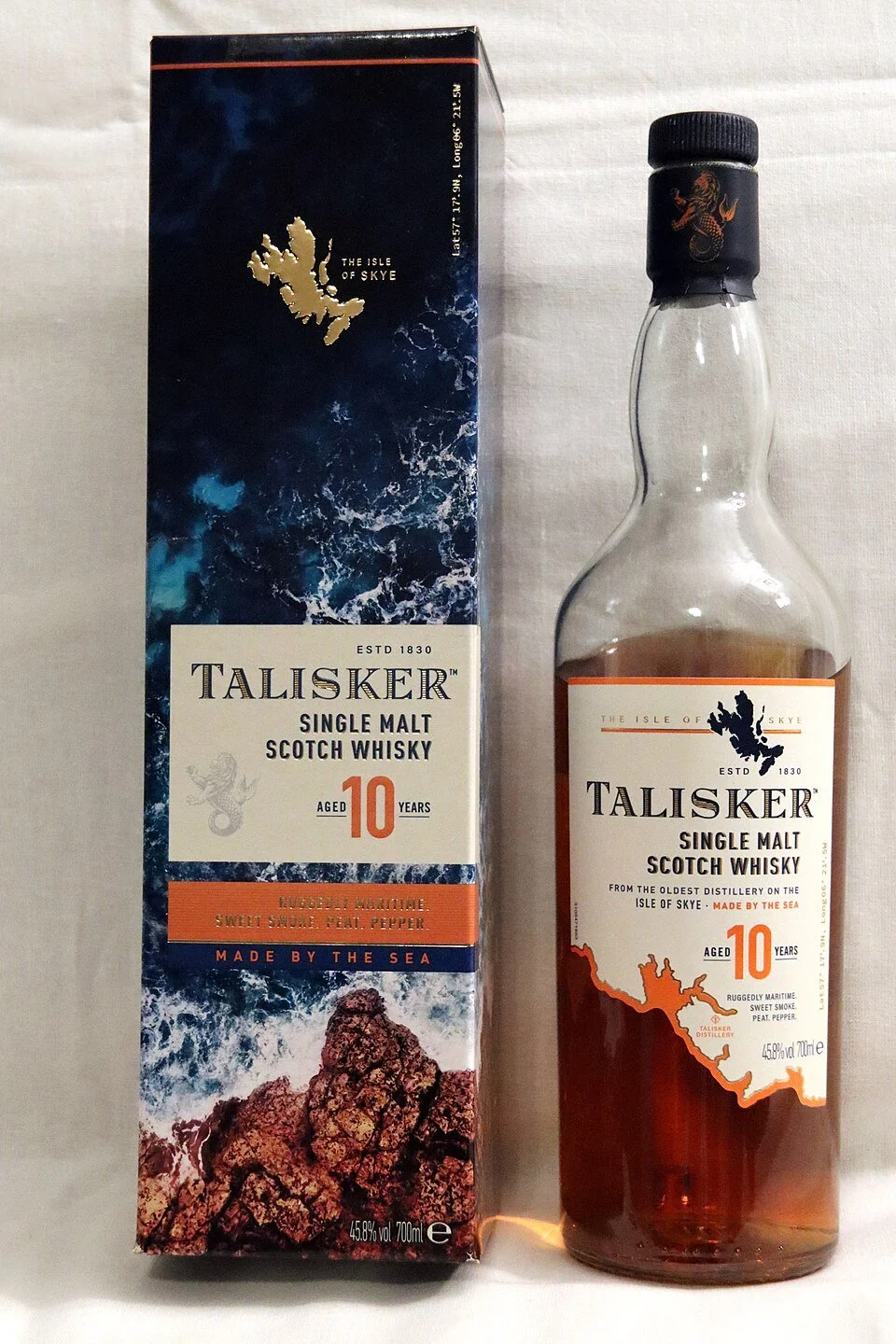
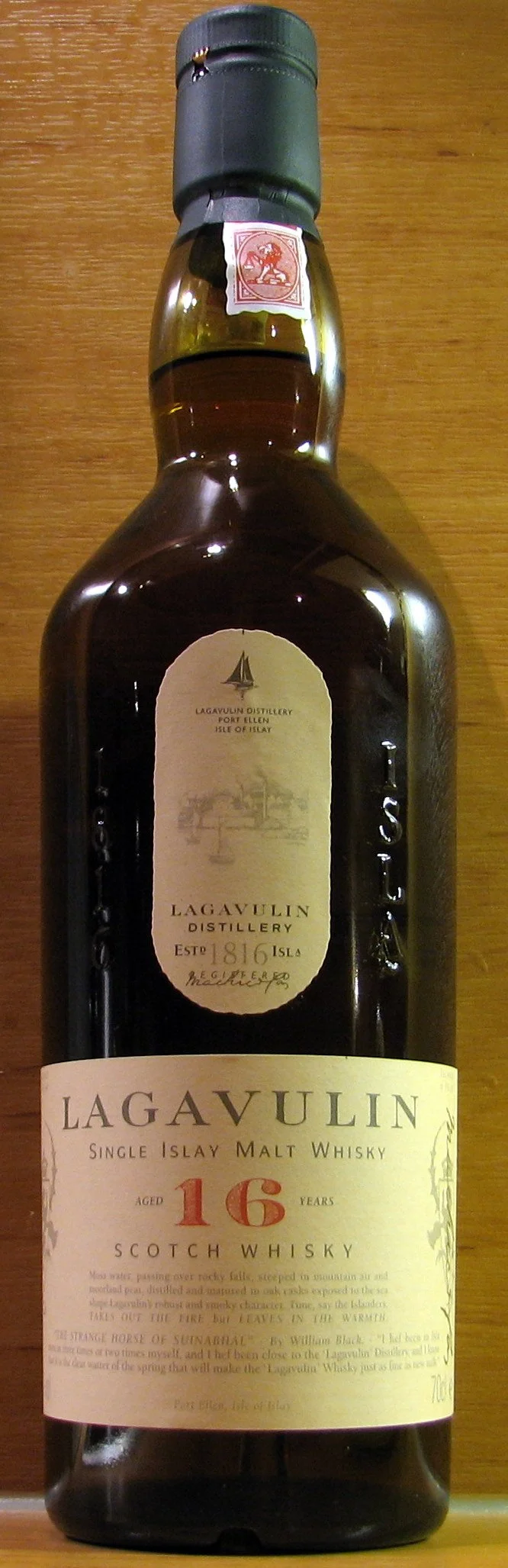
It’s the category I personally prefer and the one that, over the years, has given me the greatest enjoyment. That doesn’t mean it’s automatically better than the others, but it’s certainly one of the most popular categories among enthusiasts. Among the best-known examples are Glenfiddich, The Glenlivet, Talisker, and Lagavulin.
blended whisky
As the name suggests, they are created by blending different whiskies, skillfully combining one or more malt whiskies with one or more grain whiskies.
The goal is to achieve a balanced flavor profile.
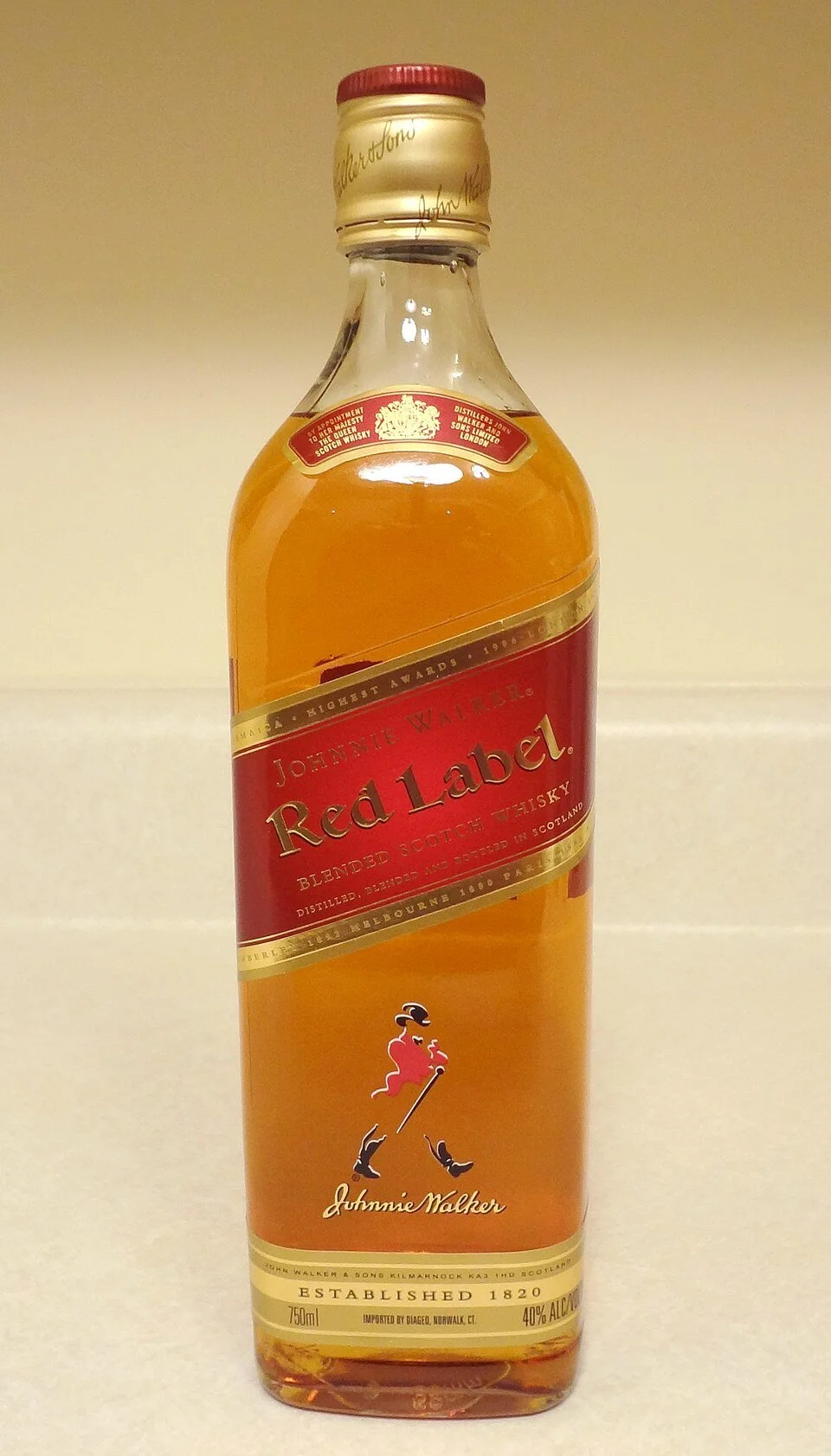
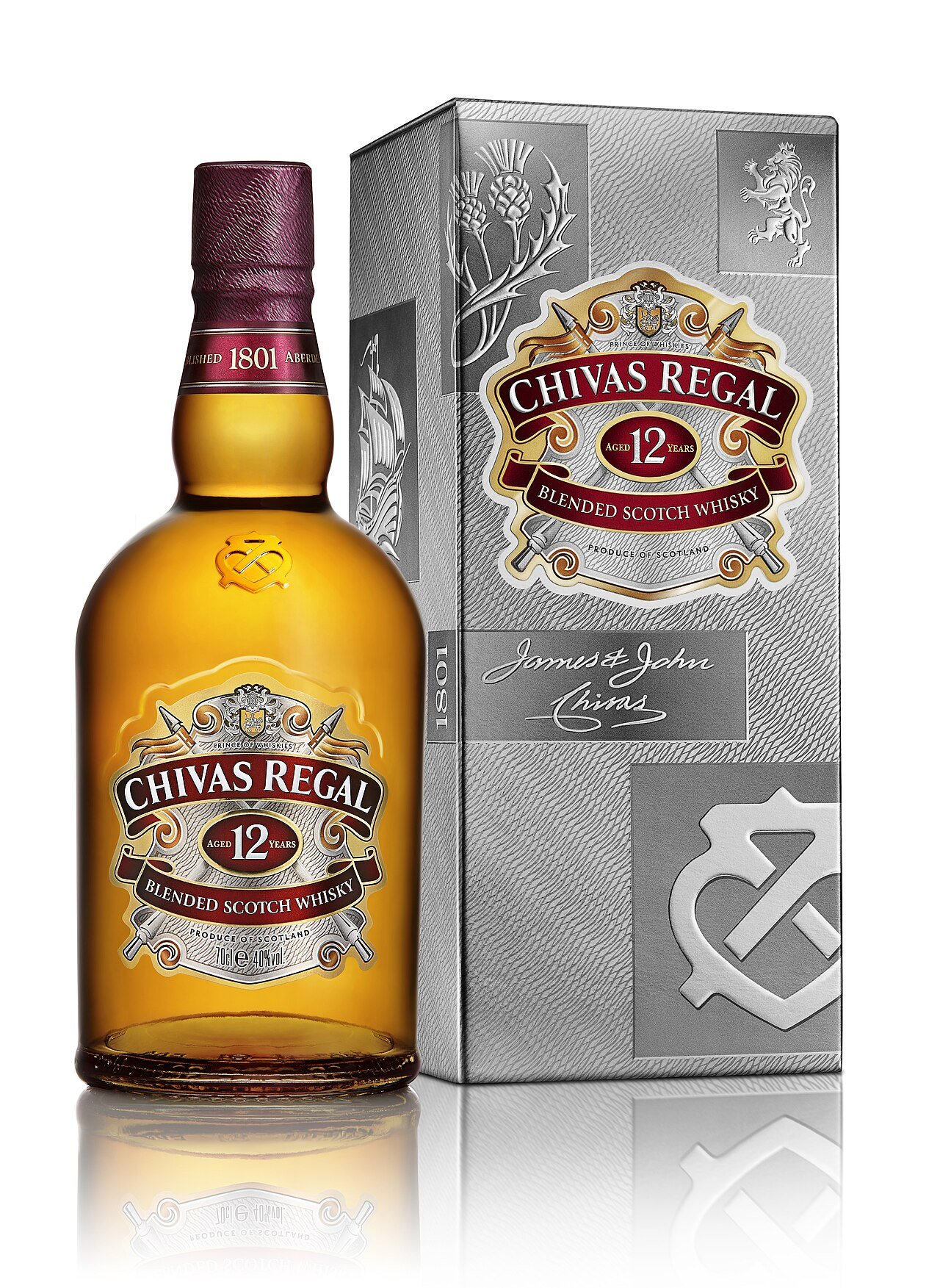
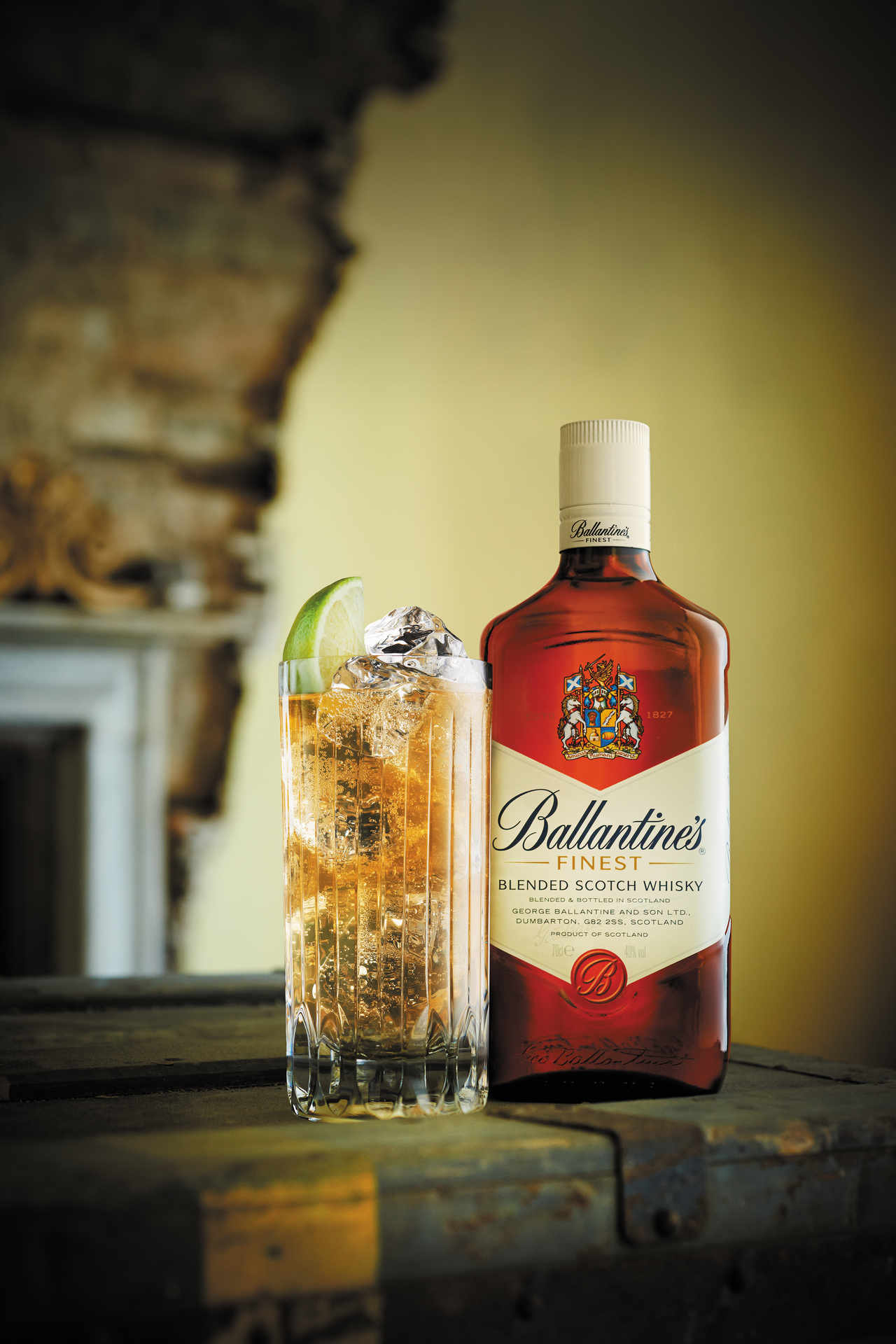
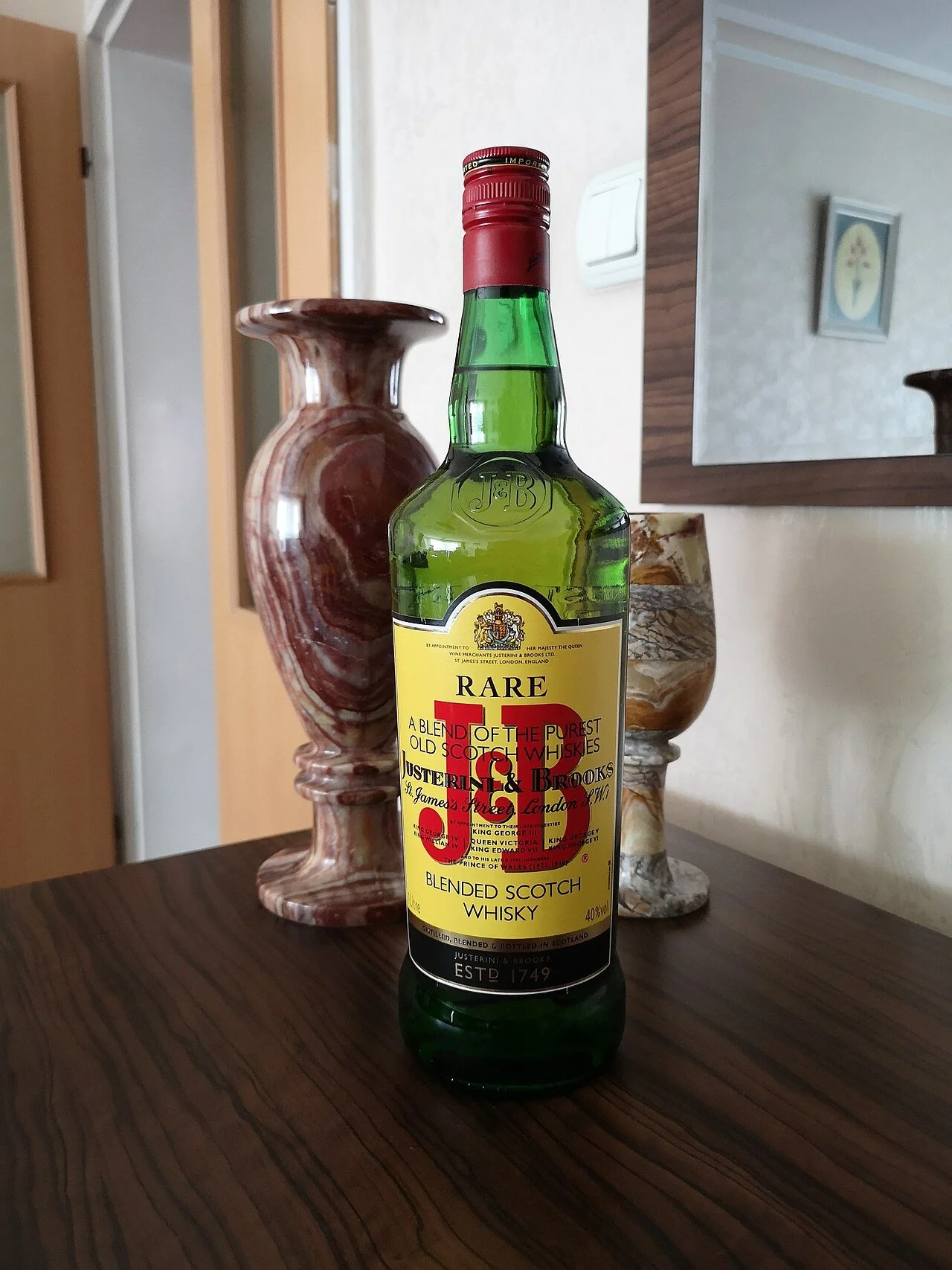
This category has played a fundamental role in the spread of whisky around the world. Brands such as Johnnie Walker, Chivas Regal, Ballantine’s, and J&B belong to this family.
bourbon, rye & tennessee whiskey
In the United States we find categories rooted in a completely different tradition.
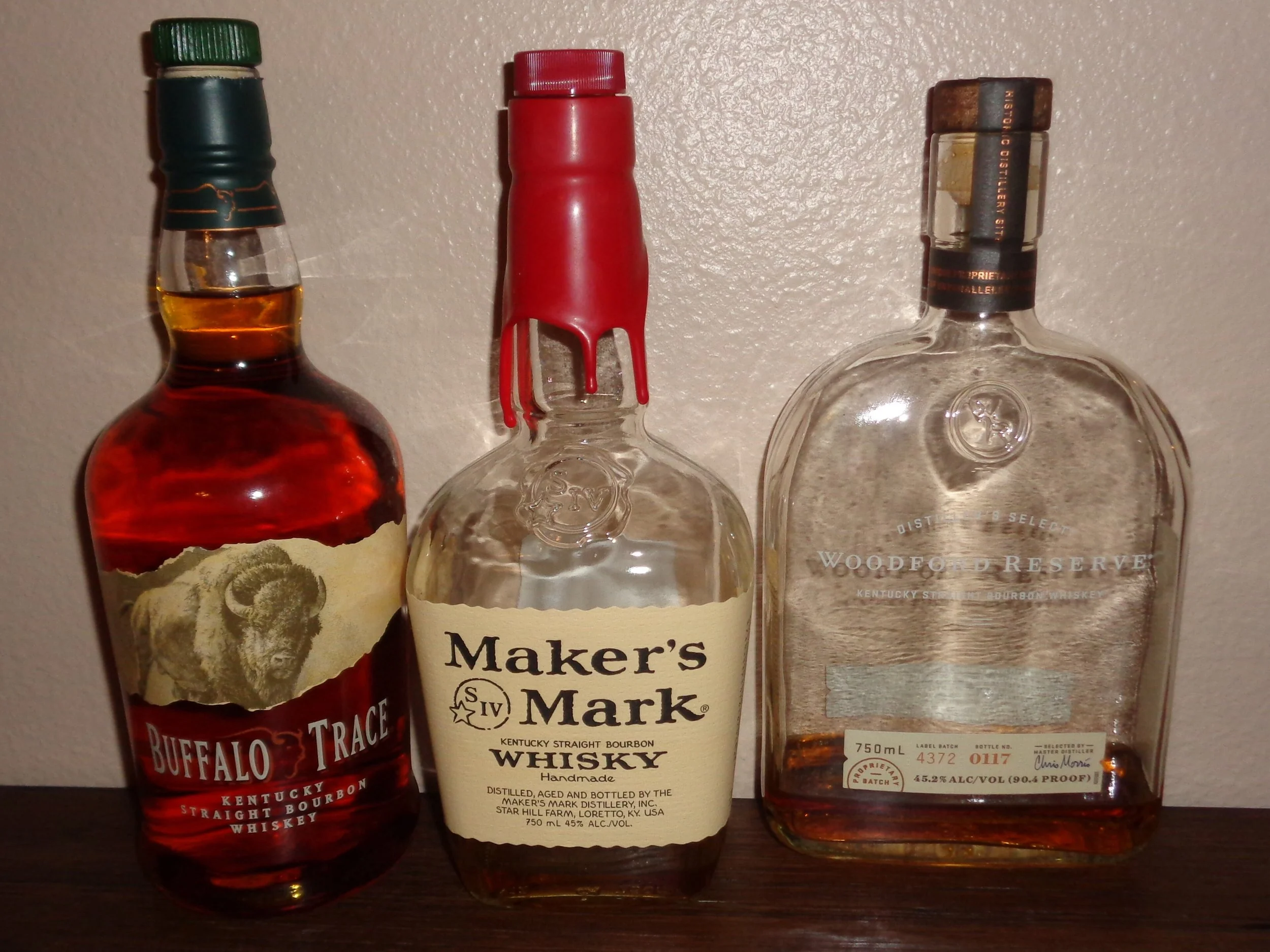
The most famous is undoubtedly Bourbon, which by law must be produced from a blend containing at least 51% corn. Corn generally imparts a smoother, sweeter character, with notes of vanilla, caramel, and spices.
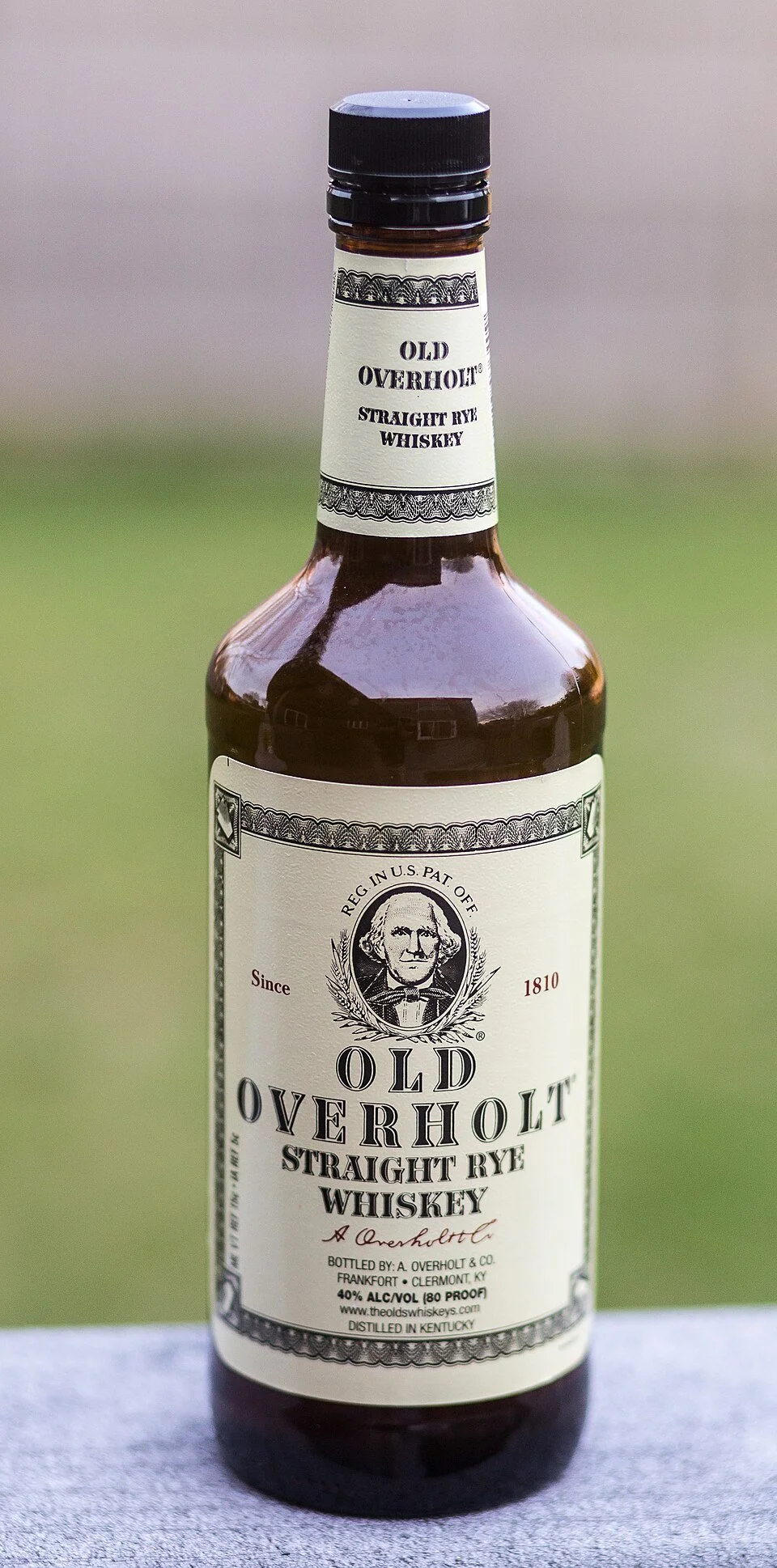
Alongside Bourbon is Rye Whiskey, where the predominant grain is, as the name suggests, rye.
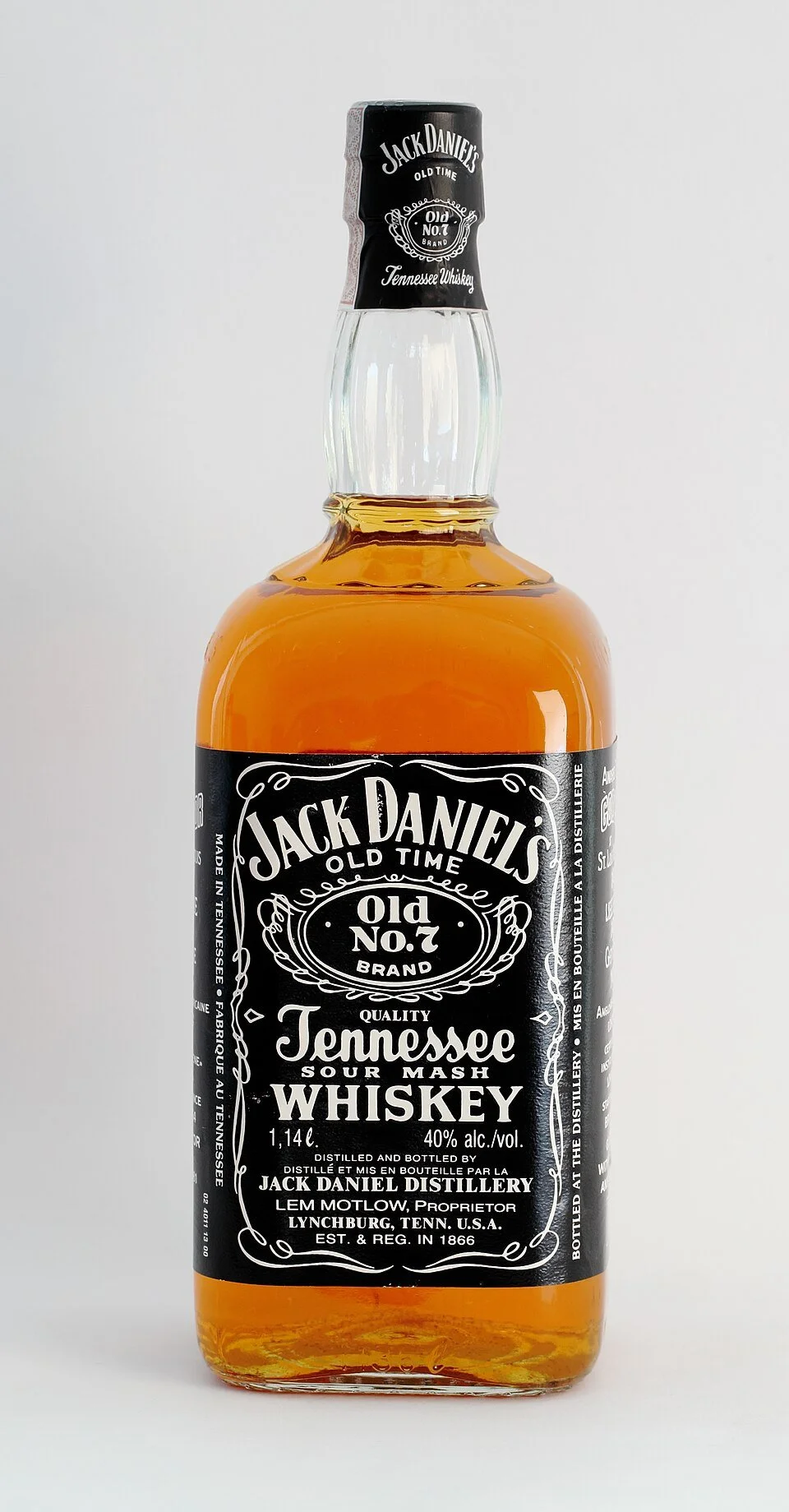
Then there’s the renowned Tennessee Whiskey, with its most famous representative, Jack Daniel’s, very similar to Bourbon but distinguished by an additional step: before being transferred to barrels, the distillate is slowly filtered through a thick layer of maple charcoal. This process is known as the Lincoln County Process and helps define the typical style of this category.
Of course, the world of whisky doesn’t stop there.
There are also categories such as Single Grain, Blended Malt, Single Pot Still Irish Whiskey, and many others.
But to begin our journey, knowing these main ones is more than enough.
At this point, however, one piece of the puzzle is still missing.
The categories explain how a whisky was produced.
The designations, on the other hand, tell us where it was produced and what rules it had to follow.
Let’s take an example:
Consider a bottle labeled “Indian Single Malt Whisky.”
Each word has a specific meaning.
“Indian” indicates the country of production.
“Single Malt” identifies the category.
“Whisky” simply tells us what type of spirit we’re talking about.
The same applies to a bottle labeled “Blended Scotch Whisky”.
In this case, “Blended” identifies the category, while “Scotch” certifies that the whisky was produced and aged in Scotland in accordance with Scottish regulations.
Once you understand this system, reading a label becomes much easier.
Every word is there for a reason and tells a piece of that whisky’s story.
chapter 5 - why is every whiskey different?
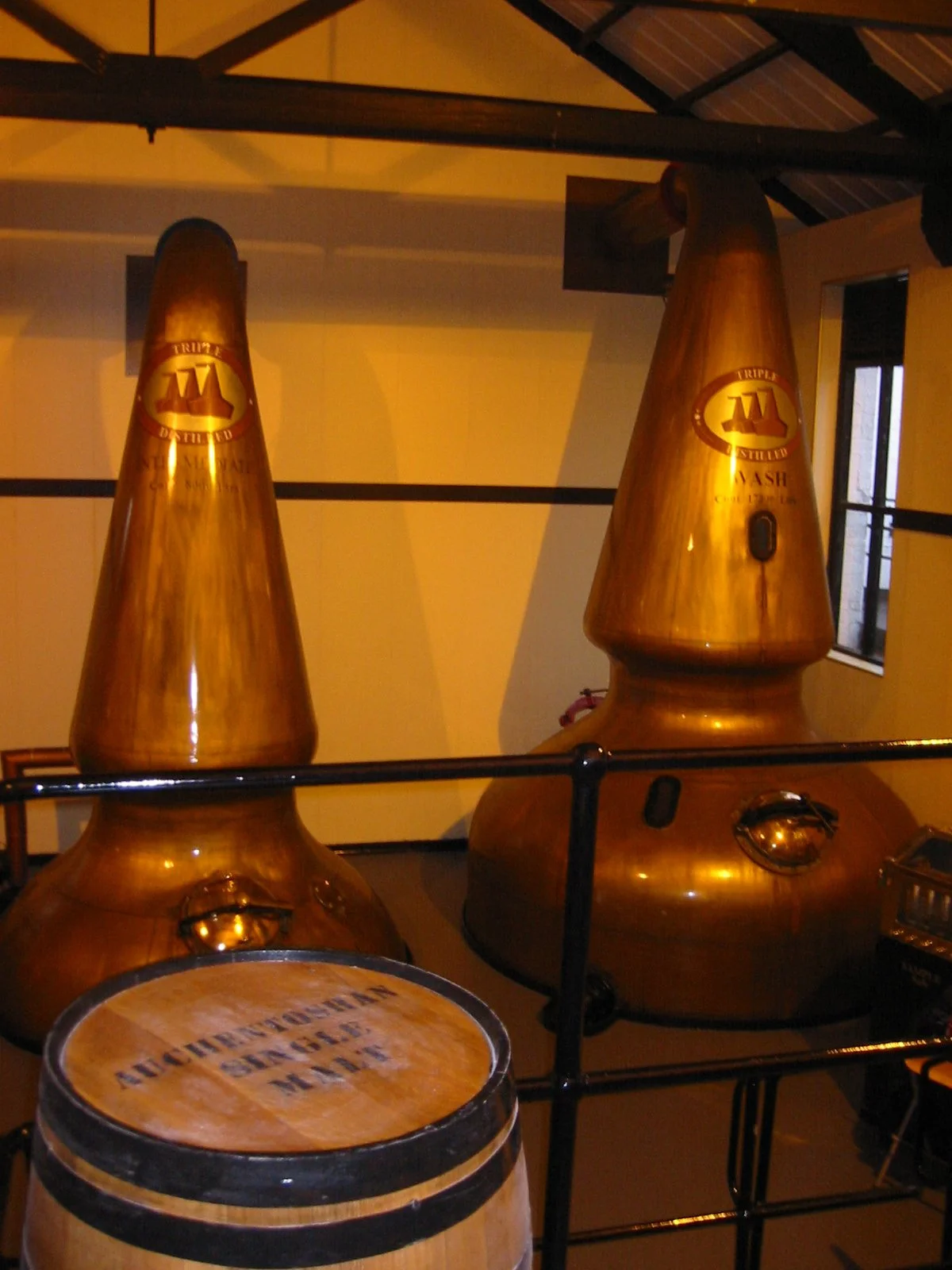
Copper Pot Stills by Auchentoshan Distillery
So far, we’ve seen how whisky is made and how to learn to recognize it. But there’s still one question we need to answer.
Why can two whiskies be so different?
Two whiskies can be the same age, come from the same country, and even belong to the same category… yet have completely different aromas and flavors.
One might evoke honey and vanilla, while another might bring to mind dried fruit, dark chocolate, or peat smoke.
How is this possible?
The answer is simple: whisky is the result of countless choices.
Each distillery approaches its craft differently, and every decision helps shape the character of the spirit.
The type of grain matters.
So does the duration of fermentation, which can encourage the development of fruitier and more complex aromas.
The shape of the stills matters: taller stills tend to produce more elegant and delicate spirits, while shorter ones generally yield richer, fuller-bodied whiskies.
And then there’s the cask.
An ex-Bourbon cask will often impart notes of vanilla, honey, and caramel.
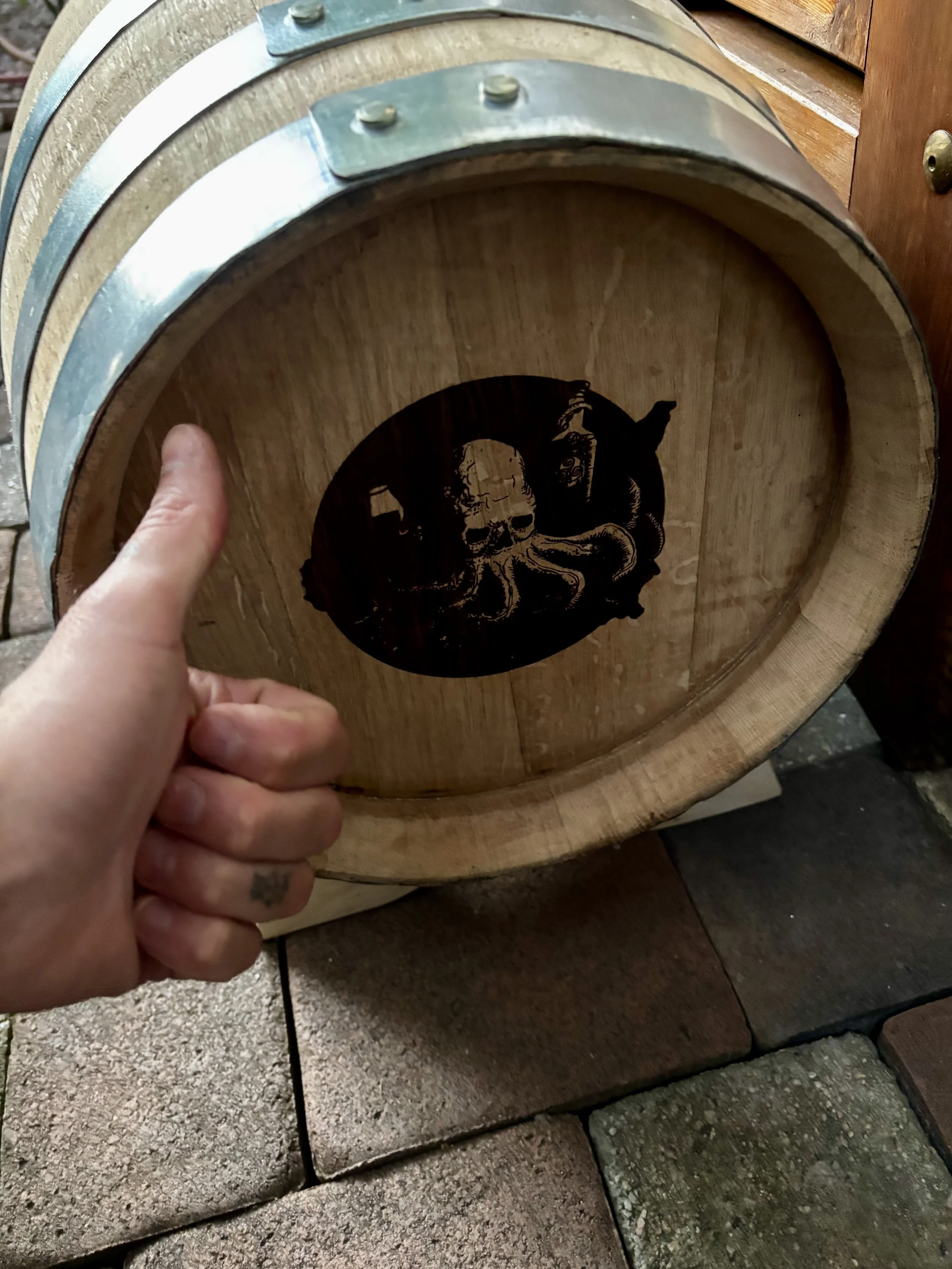
Work in progress 🥃
An ex-Sherry cask will offer more intense aromas of dried fruit, raisins, and spices.
In recent years, many distilleries have also been experimenting with ex-Port, ex-Rum, ex-Sauternes, and many other wine or spirit casks, further expanding the range of possible aromas.
Climate also plays an important role.
A whisky maturing on the coast of Scotland will experience very different conditions compared to one produced in India or Taiwan, where temperatures accelerate the maturation process.
It is often said that the cask is the most important ingredient in whisky.
Technically, it isn’t an ingredient, but it’s hard to imagine a statement closer to the truth.
It is precisely the interplay of all these variables that makes every whisky unique.
Whisky is made from just a few ingredients, but it comes to life thanks to hundreds of small decisions.
And that is exactly what makes every bottle different from all the others.
chapter 6 - where to start?
If you’re just starting out and find yourself standing in front of a shelf full of bottles, my advice is very simple. Don’t immediately go for the peatiest whisky, the one with the highest alcohol content, or the most expensive bottle. At first, it’s much more helpful to choose something well-balanced, which will allow you to easily recognize the different aromas. An unpeated Scottish Single Malt can be an excellent starting point, as can a good Blended Whisky known for its smoothness.
The goal is to train your palate.
Start by recognizing the various aromatic notes: vanilla, honey, citrus, caramel, nuts, and, when the time is right, peat as well.
If the alcohol seems a bit too intense at first, don’t be afraid to add a few drops of water. Very often, the aromas open up and the whisky becomes even more enjoyable to explore.
And above all, don’t let yourself be overly influenced by rankings or reviews.
The best whisky isn’t the one that others like the most.
It’s the one you like.
Because the beauty of whisky isn’t about finding the perfect bottle.
It’s about developing, one glass at a time, your own personal taste.
And when the time comes to figure out how to best enjoy it, which glass to use or at what temperature to serve it, I’ve already dedicated a full video to this topic.
You can find it here. 👉 https://youtu.be/BKftvyw44uQ
conclusions
Whisky can seem like a complicated world.
But I hope this contribution has shown you that, in reality, it’s much simpler than it seems.
From now on, when you pick up a bottle, you probably won’t just see a label anymore.
You’ll see a story.
The story of a place, of the people who created that whisky, and of the time that has transformed it.
Because whisky (at least the way I experience it) isn’t just a drink.
It’s a language that spans the centuries. A thread of amber that connects cultures, traditions, and people.
Thank you for your attention, and be well.
-
Il whisky è una di quelle bevande di cui tutti hanno sentito parlare... ma che pochi conoscono davvero.
C'è chi lo immagina come una bevanda forte, difficile da bere o addirittura inaccessibile. E poi c'è chi, dopo il primo assaggio giusto, scopre un intero universo fatto di miele, frutta secca, spezie, cioccolato... e perfino fumo.
Ma quindi... cos'è davvero il whisky?
Come nasce? E soprattutto, cosa significano tutte quelle scritte complesse sulle etichette?
Oggi partiamo davvero da zero. Se non hai mai capito come funziona il whisky, oppure vuoi semplicemente vuoi fare un po’ di chiarezza, versati un buon goccio e cominciamo.
Capitolo 1 - Che cos’è davvero il whisky?
Andiamo subito al punto fondamentale.
Prima di tutto, il whisky è un distillato di cereali.
La parola distillato può sembrare complicata, ma il concetto è piuttosto semplice.
Tutto parte da tre ingredienti fondamentali: acqua, cereali e lievito.
I cereali maltati vengono macinati e mescolati con acqua calda. In questa fase, gli enzimi presenti nel malto trasformano gli amidi in zuccheri fermentescibili. Successivamente si aggiunge il lievito, che converte questi zuccheri in alcol.
Il risultato è una sorta di birra non luppolata, con una gradazione alcolica relativamente bassa.
Questo liquido viene poi distillato all'interno di alambicchi, tradizionalmente realizzati in rame, che permettono di concentrare l'alcol e selezionare gli aromi destinati a finire nel prodotto finale.
Fin qui, però, non possiamo ancora chiamarlo whisky.
Il vero protagonista entra in scena adesso: la botte.
Il distillato viene trasferito in botti di legno, dove rimarrà per anni.
In molti paesi produttori la legge stabilisce un periodo minimo di maturazione. In Scozia, per esempio, un whisky deve maturare almeno tre anni in botti di rovere.
Durante questo periodo, il legno cede lentamente colore e aromi al distillato, trasformando un liquido completamente trasparente nel caratteristico colore ambrato che tutti associamo al whisky.
Ed è proprio per questo che la maturazione è una delle fasi più importanti dell'intero processo. Senza il tempo e senza la botte, il whisky come lo conosciamo semplicemente non esisterebbe.
Naturalmente questo è solo il principio. Ogni distilleria interpreta questo processo in modo diverso... ma ci torneremo tra poco.
Capitolo 2 - Whisky o Whiskey?
Prima di andare avanti, rispondiamo a una domanda che quasi tutti si pongono quando si avvicinano a questo mondo.
Si scrive Whisky oppure Whiskey?
La risposta è semplice: entrambe le forme sono corrette.
In Scozia, Canada, Giappone, India e nella maggior parte dei paesi produttori troverai quasi sempre la scritta Whisky, senza la "e".
In Irlanda e negli Stati Uniti, invece, è tradizione utilizzare la forma Whiskey.
Questa differenza nasce da motivi storici e culturali e non ha nulla a che vedere con la qualità del prodotto.
Anzi, la grafia Whiskey fu adottata in Irlanda anche per distinguere il proprio distillato da quello scozzese, e questa tradizione arrivò successivamente anche negli Stati Uniti grazie agli immigrati irlandesi.
In altre parole, quella "e" in più racconta un pezzo di storia... non un whisky migliore o peggiore.
Capitolo 3 - Il Whisky nel mondo
Un'altra cosa che scoprirai molto presto è che il paese di produzione contribuisce a definire lo stile del whisky.
Non si tratta solo del clima o delle materie prime, ma anche delle tradizioni, delle tecniche produttive e della filosofia di ogni distilleria.
In generale, la Scozia offre una varietà incredibile di stili: dai whisky più delicati e floreali fino a quelli intensamente torbati.
L'Irlanda è conosciuta per produzioni spesso morbide ed eleganti, anche se non mancano distillati dal carattere deciso.
Negli Stati Uniti dominano il Bourbon e il Rye Whiskey, profondamente legati alla storia agricola del paese e a regole di produzione molto precise.
Il Giappone, invece, si è costruito una reputazione straordinaria puntando sull'equilibrio, sulla precisione tecnica e sull'attenzione ai dettagli.
Negli ultimi anni sono emersi anche paesi come India, Taiwan, Francia e Svezia, ciascuno con una propria interpretazione del whisky.
L'India, per esempio, beneficia di un clima molto caldo che accelera la maturazione, mentre Taiwan ha dimostrato come anche una tradizione recente possa raggiungere livelli qualitativi eccezionali.
È proprio questa diversità a rendere il whisky così affascinante.
Ogni bottiglia racconta il luogo da cui proviene.
Capitolo 4 - Come leggere un’etichetta
Ed eccoci alla parte che, probabilmente, crea più confusione.
Quando prendi in mano una bottiglia di whisky, trovi spesso scritte come Single Malt, Blended Scotch Whisky oppure Kentucky Straight Bourbon.
A prima vista sembrano dire tutte la stessa cosa. In realtà, ogni parola ci fornisce un'informazione diversa.
Alcune indicano come è stato prodotto il whisky. Altre ci dicono dove è stato prodotto e quali regole ha dovuto rispettare.
Partiamo proprio dalle tipologie.
Single Malt
Un Single Malt è un whisky ottenuto esclusivamente da orzo maltato e distillato in un'unica distilleria. Contrariamente a quanto molti pensano, la parola Single non significa che proviene da una sola botte, ma da una sola distilleria.
È la categoria che personalmente preferisco e quella che, nel corso degli anni, mi ha regalato le emozioni più grandi. Non significa che sia automaticamente migliore delle altre, ma è sicuramente una delle categorie di whisky più apprezzate dagli appassionati. Tra i rappresentanti più conosciuti troviamo: Glenfiddich, The Glenlivet, Talisker o Lagavulin.
Blended Whisky
Come suggerisce il nome, nascono dalla miscelazione di diversi whisky, combinando sapientemente uno o più Malt Whisky con uno o più Grain Whisky.
L'obiettivo è ottenere un profilo aromatico equilibrato.
Questa categoria ha avuto un ruolo fondamentale nella diffusione del whisky in tutto il mondo. Marchi come Johnnie Walker, Chivas Regal, Ballantine's o J&B appartengono proprio a questa famiglia.
Bourbon, Rye & Tennessee Whiskey
Negli Stati Uniti, invece, troviamo categorie nate da una tradizione completamente diversa.
La più famosa è sicuramente il Bourbon, che per legge deve essere prodotto con una miscela contenente almeno il 51% di mais. Il mais conferisce generalmente un carattere più morbido e dolce, con note di vaniglia, caramello e spezie.
Accanto al Bourbon troviamo il Rye Whiskey, dove il cereale predominante è appunto la segale.
C'è poi il celebre Tennessee Whiskey, con il suo rappresentante più famoso, il Jack Daniel’s, molto simile al Bourbon, ma caratterizzato da un passaggio aggiuntivo: prima di essere trasferito nelle botti, il distillato viene filtrato lentamente attraverso uno spesso strato di carbone d'acero. Questo procedimento prende il nome di Lincoln County Process e contribuisce a definire lo stile tipico di questa categoria.
Naturalmente il mondo del whisky non si ferma qui.
Esistono anche categorie come i Single Grain, i Blended Malt, i Single Pot Still Irish Whiskey e molte altre.
Ma per iniziare il nostro viaggio, conoscere queste principali è più che sufficiente.
A questo punto, però, manca ancora un tassello.
Le categorie ci spiegano come è stato prodotto un whisky.
Le denominazioni, invece, ci spiegano dove è stato prodotto e quali regole ha dovuto rispettare.
Facciamo un esempio:
Prendiamo una bottiglia con la dicitura Indian Single Malt Whisky.
Ogni parola ha un significato preciso.
Indian indica il paese di produzione.
Single Malt identifica la categoria.
Whisky ci dice semplicemente di quale tipo di distillato stiamo parlando.
Lo stesso vale per una bottiglia con la scritta Blended Scotch Whisky.
In questo caso, Blended identifica la categoria, mentre Scotch certifica che il whisky è stato prodotto e maturato in Scozia nel rispetto della normativa scozzese.
Una volta compreso questo meccanismo, leggere un'etichetta diventa molto più semplice.
Ogni parola è lì per un motivo e racconta un pezzo della storia di quel whisky.
Capitolo 5 - Perché ogni whisky è diverso?
Finora abbiamo visto come nasce un whisky e come imparare a riconoscerlo. Ma c'è ancora una domanda a cui dobbiamo rispondere.
Perché due whisky possono essere così diversi?
Due whisky possono avere la stessa età, provenire dallo stesso paese e perfino appartenere alla stessa categoria... eppure avere profumi e sapori completamente diversi.
Uno può ricordare il miele e la vaniglia, un altro la frutta secca, il cioccolato fondente o il fumo di torba.
Com'è possibile?
La risposta è semplice: il whisky è il risultato di moltissime scelte.
Ogni distilleria interpreta il proprio lavoro in modo diverso e ogni decisione contribuisce a costruire il carattere del distillato.
Il tipo di cereale è importante.
Anche la durata della fermentazione, che può favorire la formazione di aromi più fruttati e complessi.
Conta la forma degli alambicchi: quelli più alti tendono a produrre distillati più eleganti e delicati, mentre quelli più bassi danno origine a whisky generalmente più ricchi e corposi.
E poi c'è la botte.
Una botte ex-Bourbon porterà spesso note di vaniglia, miele e caramello.
Una ex-Sherry regalerà aromi più intensi di frutta secca, uvetta e spezie.
Negli ultimi anni molte distillerie sperimentano anche botti ex-Porto, ex-Rum, ex-Sauternes e molti altri vini o distillati, ampliando ulteriormente la gamma di aromi possibili.
Anche il clima gioca un ruolo importante.
Un whisky che matura sulle coste della Scozia vivrà condizioni molto diverse rispetto a uno prodotto in India o a Taiwan, dove le temperature accelerano il processo di maturazione.
Si dice spesso che la botte sia l'ingrediente più importante del whisky.
Tecnicamente non è un ingrediente, ma è difficile immaginare un'affermazione più vicina alla realtà.
È proprio l'incontro di tutte queste variabili a rendere ogni whisky unico.
Il whisky nasce da pochi ingredienti, ma prende vita grazie a centinaia di piccole decisioni.
Ed è proprio questo che rende ogni bottiglia diversa da tutte le altre.
Capitolo 6 - Da dove cominciare?
Se sei alle prime armi e ti trovi davanti a uno scaffale pieno di bottiglie, il mio consiglio è molto semplice.
Non cercare subito il whisky più torbato, quello con la gradazione più alta o la bottiglia più costosa.
All'inizio è molto più utile scegliere qualcosa di equilibrato, che ti permetta di riconoscere con facilità i diversi aromi.
Un Single Malt scozzese non torbato può essere un ottimo punto di partenza, così come un buon Blended Whisky noto per la sua morbidezza.
L'obiettivo è allenare il palato.
Iniziare a riconoscere le varie note aromatiche. La vaniglia, il miele, gli agrumi, il caramello, la frutta secca e, quando sarà il momento, anche la torba.
Se all'inizio l'alcol ti sembra un po' troppo intenso, non avere paura di aggiungere qualche goccia d’acqua. Molto spesso gli aromi si aprono e il whisky diventa ancora più piacevole da esplorare.
E soprattutto, non lasciarti condizionare troppo dalle classifiche o dalle recensioni.
Il whisky migliore non è quello che piace di più agli altri.
È quello che piace a te.
Perché il bello del whisky non è trovare la bottiglia perfetta.
È costruire, un bicchiere dopo l'altro, il proprio gusto personale.
E quando arriverà il momento di capire come degustarlo al meglio, quale bicchiere utilizzare o a quale temperatura servirlo, ho già dedicato un video completo a questo argomento.
Lo trovi qui. 👉 https://youtu.be/BKftvyw44uQ
CONCLUSIONI
Il whisky può sembrare un mondo complicato.
Ma spero che questo contributo ti abbia dimostrato che, in realtà, è molto più semplice di quanto sembri.
Da oggi, quando prenderai in mano una bottiglia, probabilmente non vedrai più soltanto un'etichetta.
Vedrai una storia.
La storia di un luogo, delle persone che hanno creato quel whisky e del tempo che lo ha trasformato.
Perché il whisky, almeno per come lo vivo io, non è soltanto una bevanda.
È un linguaggio che attraversa i secoli. Un filo d’ambra che lega culture, tradizioni e persone. Grazie per la tua attenzione e stammi bene.
-
Whisky ist eines dieser Getränke, von denen jeder schon einmal gehört hat … die aber nur wenige wirklich kennen.
Manche stellen ihn sich als starkes Getränk vor, das schwer zu trinken oder sogar unzugänglich ist. Und dann gibt es diejenigen, die nach dem ersten richtigen Schluck ein ganzes Universum aus Honig, Trockenfrüchten, Gewürzen, Schokolade … und sogar Rauch entdecken.
Aber was ist Whisky eigentlich wirklich?
Wie entsteht er? Und vor allem: Was bedeuten all diese komplizierten Angaben auf den Etiketten?
Heute fangen wir ganz von vorne an. Wenn du noch nie verstanden hast, wie Whisky funktioniert, oder wenn du einfach nur etwas Klarheit schaffen möchtest, schenk dir ein gutes Gläschen ein und lass uns loslegen.
Kapitel 1 -Was ist Whisky eigentlich?
Kommen wir gleich zum Wesentlichen.
Zunächst einmal ist Whisky ein Getreidedestillat.
Das Wort „Destillat“ mag kompliziert klingen, aber das Konzept ist recht einfach.
Alles beginnt mit drei grundlegenden Zutaten: Wasser, Getreide und Hefe.
Das gemälzte Getreide wird gemahlen und mit heißem Wasser vermischt. In dieser Phase wandeln die im Malz enthaltenen Enzyme die Stärke in vergärbaren Zucker um. Anschließend wird Hefe hinzugefügt, die diesen Zucker in Alkohol umwandelt.
Das Ergebnis ist eine Art hopfenloses Bier mit einem relativ niedrigen Alkoholgehalt.
Diese Flüssigkeit wird dann in Destillierkolben – traditionell aus Kupfer – destilliert, wodurch der Alkohol konzentriert und die Aromen ausgewählt werden, die schließlich im Endprodukt enthalten sein sollen.
Bis hierhin können wir das Ganze jedoch noch nicht als Whisky bezeichnen.
Jetzt betritt der eigentliche Protagonist die Bühne: das Fass.
Das Destillat wird in Holzfässer wie dieses umgefüllt, wo es jahrelang verbleibt.
In vielen Erzeugerländern schreibt das Gesetz eine Mindestreifezeit vor. In Schottland beispielsweise muss ein Whisky mindestens drei Jahre in Eichenfässern reifen.
Während dieser Zeit gibt das Holz langsam Farbe und Aromen an das Destillat ab und verwandelt eine völlig klare Flüssigkeit in die charakteristische Bernsteinfarbe, die wir alle mit Whisky verbinden.
Und genau deshalb ist die Reifung eine der wichtigsten Phasen des gesamten Prozesses. Ohne die Zeit und ohne das Fass gäbe es den Whisky, wie wir ihn kennen, schlichtweg nicht.
Das ist natürlich nur der Anfang. Jede Brennerei interpretiert diesen Prozess anders … aber darauf kommen wir gleich noch zurück.
Kapitel 2 – Whisky oder Whiskey?
Bevor wir fortfahren, wollen wir eine Frage beantworten, die sich fast jeder stellt, der sich dieser Welt nähert.
Schreibt man Whisky oder Whiskey?
Die Antwort ist einfach: Beide Schreibweisen sind korrekt.
In Schottland, Kanada, Japan, Indien und den meisten Erzeugerländern findet man fast immer die Schreibweise „Whisky“ ohne das „e“.
In Irland und den Vereinigten Staaten hingegen ist es Tradition, die Schreibweise „Whiskey“ zu verwenden.
Dieser Unterschied hat historische und kulturelle Gründe und hat nichts mit der Qualität des Produkts zu tun.
Tatsächlich wurde die Schreibweise „Whiskey“ in Irland auch eingeführt, um das eigene Destillat vom schottischen zu unterscheiden, und diese Tradition gelangte später dank irischer Einwanderer auch in die Vereinigten Staaten.
Mit anderen Worten: Dieses zusätzliche „e“ erzählt ein Stück Geschichte … es steht nicht für einen besseren oder schlechteren Whisky.
Kapitel 3 – Whisky weltweit
Eine weitere Tatsache, die du sehr bald entdecken wirst, ist, dass das Herstellungsland den Stil des Whiskys mitbestimmt.
Dabei geht es nicht nur um das Klima oder die Rohstoffe, sondern auch um die Traditionen, die Herstellungstechniken und die Philosophie jeder einzelnen Brennerei.
Im Allgemeinen bietet Schottland eine unglaubliche Vielfalt an Stilen: von den zartesten und blumigsten Whiskys bis hin zu intensiv torfigen Sorten.
Irland ist bekannt für oft weiche und elegante Abfüllungen, auch wenn es nicht an Destillaten mit kräftigem Charakter mangelt.
In den Vereinigten Staaten dominieren Bourbon und Rye Whiskey, die eng mit der landwirtschaftlichen Geschichte des Landes und sehr präzisen Produktionsvorschriften verbunden sind.
Japan hingegen hat sich einen außergewöhnlichen Ruf erarbeitet, indem es auf Ausgewogenheit, technische Präzision und Liebe zum Detail setzt.
In den letzten Jahren sind auch Länder wie Indien, Taiwan, Frankreich und Schweden in den Vordergrund getreten, jedes mit seiner eigenen Interpretation des Whiskys.
Indien profitiert beispielsweise von einem sehr heißen Klima, das die Reifung beschleunigt, während Taiwan gezeigt hat, dass auch eine junge Tradition außergewöhnliche Qualitätsniveaus erreichen kann.
Genau diese Vielfalt macht den Whisky so faszinierend.
Jede Flasche erzählt von dem Ort, aus dem sie stammt.
Kapitel 4 – Wie man ein Etikett liest
Und nun kommen wir zu dem Teil, der wahrscheinlich am meisten Verwirrung stiftet.
Wenn man eine Flasche Whisky in die Hand nimmt, findet man oft Bezeichnungen wie „Single Malt“, „Blended Scotch Whisky“ oder „Kentucky Straight Bourbon“.
Auf den ersten Blick scheinen sie alle dasselbe zu bedeuten. Tatsächlich liefert uns jedes Wort jedoch eine andere Information.
Einige geben an, wie der Whisky hergestellt wurde. Andere sagen uns, wo er hergestellt wurde und welche Vorschriften dabei eingehalten werden mussten.
Beginnen wir gleich mit den Sorten.
Single Malt
Ein Single Malt ist ein Whisky, der ausschließlich aus gemälzter Gerste hergestellt und in einer einzigen Brennerei destilliert wird. Entgegen der landläufigen Meinung bedeutet das Wort „Single“ nicht, dass er aus einem einzigen Fass stammt, sondern aus einer einzigen Brennerei.
Das ist die Kategorie, die ich persönlich am liebsten mag und die mir im Laufe der Jahre die größten Emotionen beschert hat. Das bedeutet nicht, dass sie automatisch besser ist als die anderen, aber sie gehört sicherlich zu den bei Liebhabern am meisten geschätzten Whisky-Kategorien. Zu den bekanntesten Vertretern zählen: Glenfiddich, The Glenlivet, Talisker oder Lagavulin.
Blended Whisky
Wie der Name schon sagt, entstehen sie durch die Mischung verschiedener Whiskys, wobei ein oder mehrere Malt Whiskys gekonnt mit einem oder mehreren Grain Whiskys kombiniert werden.
Das Ziel ist es, ein ausgewogenes Aromaprofil zu erzielen.
Diese Kategorie hat eine entscheidende Rolle bei der weltweiten Verbreitung von Whisky gespielt. Marken wie Johnnie Walker, Chivas Regal, Ballantine’s oder J&B gehören genau zu dieser Familie.
Bourbon, Rye & Tennessee Whiskey
In den Vereinigten Staaten hingegen finden wir Kategorien, die aus einer völlig anderen Tradition hervorgegangen sind.
Der bekannteste ist sicherlich der Bourbon, der laut Gesetz aus einer Mischung hergestellt werden muss, die mindestens 51 % Mais enthält. Mais verleiht dem Whisky im Allgemeinen einen weicheren und süßeren Charakter mit Noten von Vanille, Karamell und Gewürzen.
Neben dem Bourbon gibt es den Rye Whiskey, bei dem Roggen das vorherrschende Getreide ist.
Dann gibt es noch den berühmten Tennessee-Whiskey mit seinem bekanntesten Vertreter, dem Jack Daniel’s, der dem Bourbon sehr ähnlich ist, sich jedoch durch einen zusätzlichen Schritt auszeichnet: Bevor das Destillat in die Fässer gefüllt wird, wird es langsam durch eine dicke Schicht Ahornkohle gefiltert. Dieses Verfahren wird als „Lincoln County Process“ bezeichnet und trägt dazu bei, den typischen Stil dieser Kategorie zu definieren.
Natürlich ist die Welt des Whiskys damit noch lange nicht erschöpft.
Es gibt auch Kategorien wie Single Grain, Blended Malt, Single Pot Still Irish Whiskey und viele andere.
Aber um unsere Reise zu beginnen, reicht es völlig aus, diese wichtigsten zu kennen.
An dieser Stelle fehlt jedoch noch ein Puzzleteil.
Die Kategorien erklären uns, wie ein Whisky hergestellt wurde.
Die Bezeichnungen hingegen erklären uns, wo er hergestellt wurde und welche Vorschriften dabei eingehalten werden mussten.
Nehmen wir ein Beispiel:
Nehmen wir eine Flasche mit der Aufschrift „Indian Single Malt Whisky“.
Jedes Wort hat eine ganz bestimmte Bedeutung.
„Indian“ gibt das Herstellungsland an.
„Single Malt“ bezeichnet die Kategorie.
„Whisky“ sagt uns einfach, um welche Art von Destillat es sich handelt.
Das Gleiche gilt für eine Flasche mit der Aufschrift „Blended Scotch Whisky“.
In diesem Fall bezeichnet „Blended“ die Kategorie, während „Scotch“ bescheinigt, dass der Whisky in Schottland unter Einhaltung der schottischen Vorschriften hergestellt und gereift wurde.
Sobald man diesen Mechanismus verstanden hat, wird das Lesen eines Etiketts viel einfacher.
Jedes Wort hat seinen Grund und erzählt ein Stück der Geschichte dieses Whiskys.
Kapitel 5 – Warum ist jeder Whisky anders?
Bisher haben wir gesehen, wie ein Whisky entsteht und wie man ihn erkennen lernt. Aber es gibt noch eine Frage, die wir beantworten müssen.
Warum können zwei Whiskys so unterschiedlich sein?
Zwei Whiskys können gleich alt sein, aus demselben Land stammen und sogar derselben Kategorie angehören … und dennoch völlig unterschiedliche Aromen und Geschmacksnoten aufweisen.
Der eine erinnert an Honig und Vanille, der andere an Trockenfrüchte, Zartbitterschokolade oder Torfrauch.
Wie ist das möglich?
Die Antwort ist einfach: Whisky ist das Ergebnis zahlreicher Entscheidungen.
Jede Brennerei interpretiert ihre Arbeit auf unterschiedliche Weise, und jede Entscheidung trägt dazu bei, den Charakter des Destillats zu prägen.
Die Getreidesorte ist wichtig.
Auch die Dauer der Gärung spielt eine Rolle, da sie die Bildung fruchtigerer und komplexerer Aromen begünstigen kann.
Die Form der Destillierkolben ist entscheidend: Höhere Kolben bringen tendenziell elegantere und feinere Destillate hervor, während niedrigere Kolben in der Regel reichhaltigere und vollmundigere Whiskys ergeben.
Und dann ist da noch das Fass.
Ein Ex-Bourbon-Fass bringt oft Noten von Vanille, Honig und Karamell mit sich.
Ein Ex-Sherry-Fass schenkt intensivere Aromen von Trockenfrüchten, Rosinen und Gewürzen.
In den letzten Jahren experimentieren viele Brennereien auch mit Fässern, in denen zuvor Portwein, Rum, Sauternes und viele andere Weine oder Spirituosen gelagert wurden, wodurch die Palette der möglichen Aromen weiter erweitert wird.
Auch das Klima spielt eine wichtige Rolle.
Ein Whisky, der an den Küsten Schottlands reift, unterliegt ganz anderen Bedingungen als einer, der in Indien oder Taiwan hergestellt wird, wo die Temperaturen den Reifungsprozess beschleunigen.
Es wird oft gesagt, dass das Fass die wichtigste Zutat des Whiskys sei.
Technisch gesehen ist es zwar keine Zutat, aber es ist schwer, sich eine Aussage vorzustellen, die der Realität näher kommt.
Gerade das Zusammenspiel all dieser Variablen macht jeden Whisky einzigartig.
Whisky entsteht aus wenigen Zutaten, wird aber durch Hunderte kleiner Entscheidungen zum Leben erweckt.
Und genau das ist es, was jede Flasche von allen anderen unterscheidet.
Kapitel 6 – Wo soll man anfangen?
Wenn du noch Anfänger bist und vor einem Regal voller Flaschen stehst, ist mein Rat ganz einfach.
Suche nicht sofort nach dem torfigsten Whisky, dem mit dem höchsten Alkoholgehalt oder der teuersten Flasche.
Am Anfang ist es viel sinnvoller, etwas Ausgewogenes zu wählen, das es dir ermöglicht, die verschiedenen Aromen leicht zu erkennen.
Ein ungetorfter schottischer Single Malt kann ein hervorragender Einstieg sein, ebenso wie ein guter Blended Whisky, der für seine Weichheit bekannt ist.
Das Ziel ist es, den Gaumen zu schulen.
Fang an, die verschiedenen Aromen zu erkennen: Vanille, Honig, Zitrusfrüchte, Karamell, Trockenfrüchte und, wenn die Zeit reif ist, auch Torf.
Wenn dir der Alkohol anfangs etwas zu intensiv erscheint, scheue dich nicht, ein paar Tropfen Wasser hinzuzufügen. Sehr oft entfalten sich die Aromen dadurch und der Whisky lässt sich noch angenehmer erkunden.
Und vor allem: Lass dich nicht zu sehr von Rankings oder Bewertungen beeinflussen.
Der beste Whisky ist nicht der, der anderen am besten gefällt.
Es ist der, der dir schmeckt.
Denn das Schöne am Whisky ist nicht, die perfekte Flasche zu finden.
Es geht darum, Glas für Glas deinen ganz persönlichen Geschmack zu entwickeln.
Und wenn es darum geht, wie man ihn am besten verkostet, welches Glas man verwendet oder bei welcher Temperatur man ihn serviert – diesem Thema habe ich bereits ein ausführliches Video gewidmet.
Du findest es hier. 👉 https://youtu.be/BKftvyw44uQ
FAZIT
Whisky mag wie eine komplizierte Welt erscheinen.
Aber ich hoffe, dieser Beitrag hat dir gezeigt, dass es in Wirklichkeit viel einfacher ist, als es scheint.
Wenn du ab heute eine Flasche in die Hand nimmst, wirst du wahrscheinlich nicht mehr nur ein Etikett sehen.
Du wirst eine Geschichte sehen.
Die Geschichte eines Ortes, der Menschen, die diesen Whisky geschaffen haben, und der Zeit, die ihn geprägt hat.
Denn Whisky ist, zumindest so wie ich ihn erlebe, nicht nur ein Getränk.
Er ist eine Sprache, die die Jahrhunderte überdauert. Ein bernsteinfarbener Faden, der Kulturen, Traditionen und Menschen miteinander verbindet. Vielen Dank für deine Aufmerksamkeit und mach’s gut.
Everything You Need to Know to Get Started